
 Pin This
 This classic Spanish cold soup combines ripe tomatoes, crisp cucumber, colorful bell peppers, and aromatic garlic into a silky smooth blend. The addition of sherry vinegar and extra virgin olive oil creates authentic Spanish flavors, while optional bread adds body and richness. Perfect for warm weather entertaining, this versatile dish serves four and comes together quickly in a blender. Customize the texture from silky to chunky, and adjust seasonings to your taste.
The first time I had gazpacho was in Seville, sitting at a wobbly outdoor table while the temperature climbed past 95°F. My Spanish friend's grandmother placed a chilled bowl in front of me, and one spoonful changed everything I thought about soup. I came home determined to recreate that vibrant, garden-fresh taste.
Last July, I made a batch for a rooftop dinner party and watched skeptical friends become converts after one taste. Something about drinking cold vegetables feels revolutionary, especially when the air is thick enough to chew.
Ingredients
- 6 ripe tomatoes: The heart of everything. I've learned that slightly overripe tomatoes give the sweetest, most intense flavor
- 1 medium cucumber: Adds that crisp, cooling element that balances the tomato acidity beautifully
- 1 small red and green bell pepper: The duo brings different layers of sweetness and grassy brightness
- 1/2 small red onion: Just enough bite to make things interesting without overwhelming the delicate balance
- 2 cloves garlic: Raw garlic is bold here, so don't go overboard unless you really love that kick
- 3 tablespoons extra virgin olive oil: This transforms the texture from thin water to silky luxuriousness
- 2 tablespoons sherry vinegar: The secret weapon that makes it taste authentically Spanish, not just like cold salsa
- 2 cups tomato juice: Creates the perfect pouring consistency and boosts that tomato essence
- 2 slices stale white bread: Optional but worth it. The old Spanish way to add body without cream
- Salt, pepper, pinch of cumin: Simple seasonings that let the vegetables shine while adding depth
Instructions
- Blend the garden:
- Toss your chopped tomatoes, cucumber, peppers, onion and garlic into the blender. Add the bread now if you're using it it will disappear into the soup and work its magic.
- Add the liquids and seasonings:
- Pour in the olive oil, vinegar, tomato juice, salt, pepper and that pinch of cumin. This is where everything starts to come together into something cohesive.
- Puree until smooth:
- Let the blender run until you've got a uniform, gorgeous orange-red mixture. Add more tomato juice or water if you prefer it thinner. It should coat a spoon but still pour easily.
- Taste and adjust:
- This is crucial. Dip in a clean spoon and trust your palate. More salt More vinegar A splash more oil Make it sing before it chills.
- Let it rest:
- Refrigerate for at least 2 hours, but honestly 4 is better. The flavors need this time to become friends and develop that married taste that makes gazpacho extraordinary.
- Serve with flair:
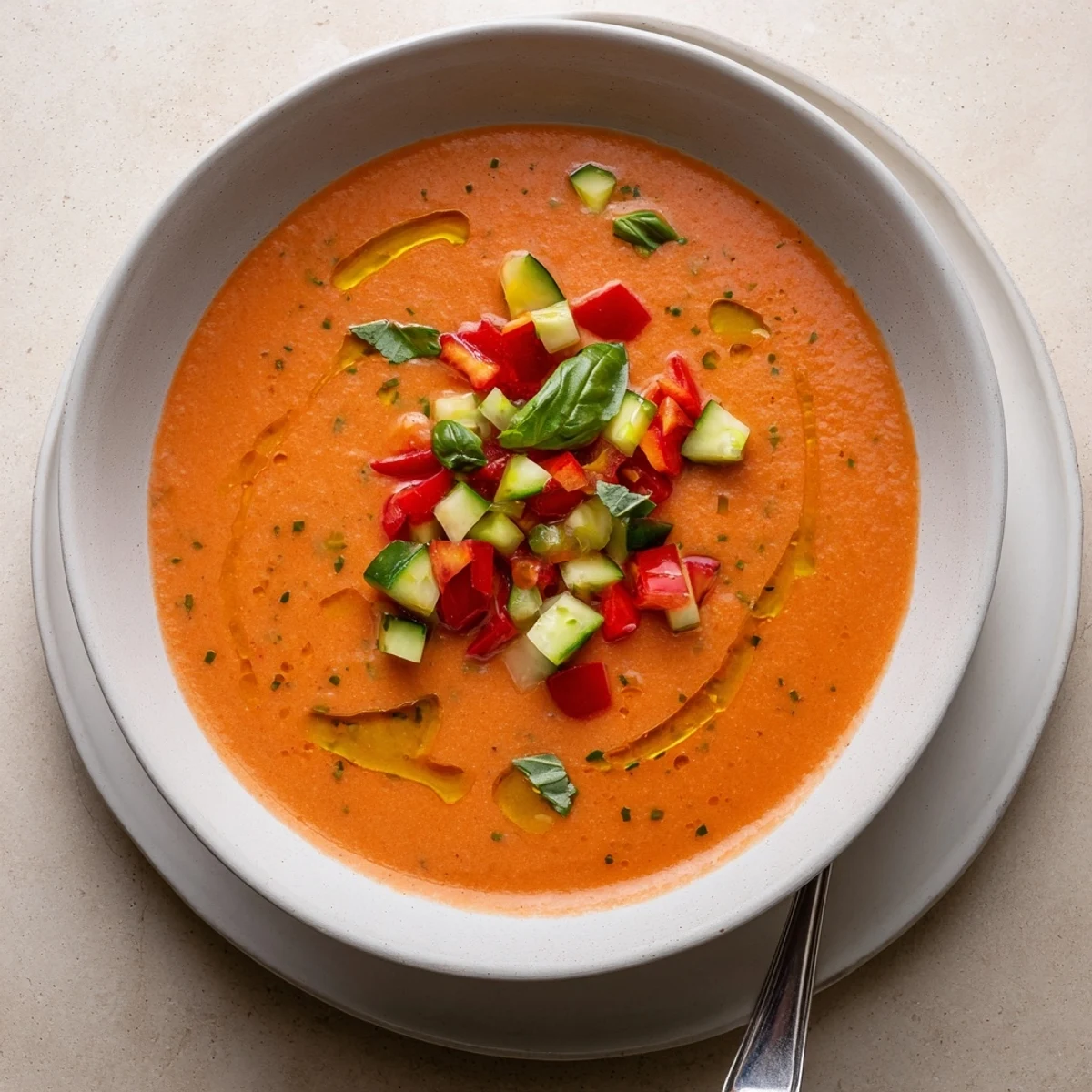
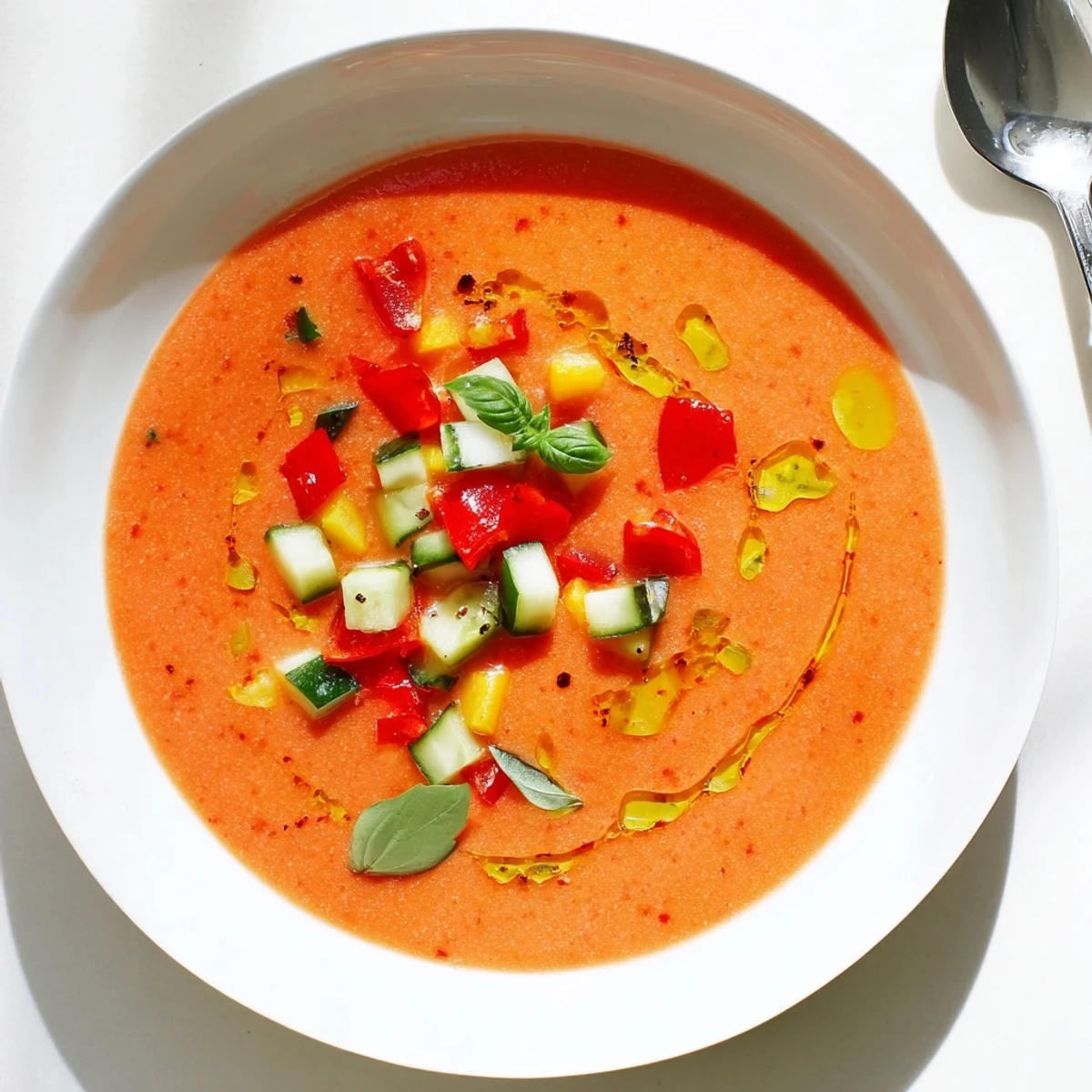
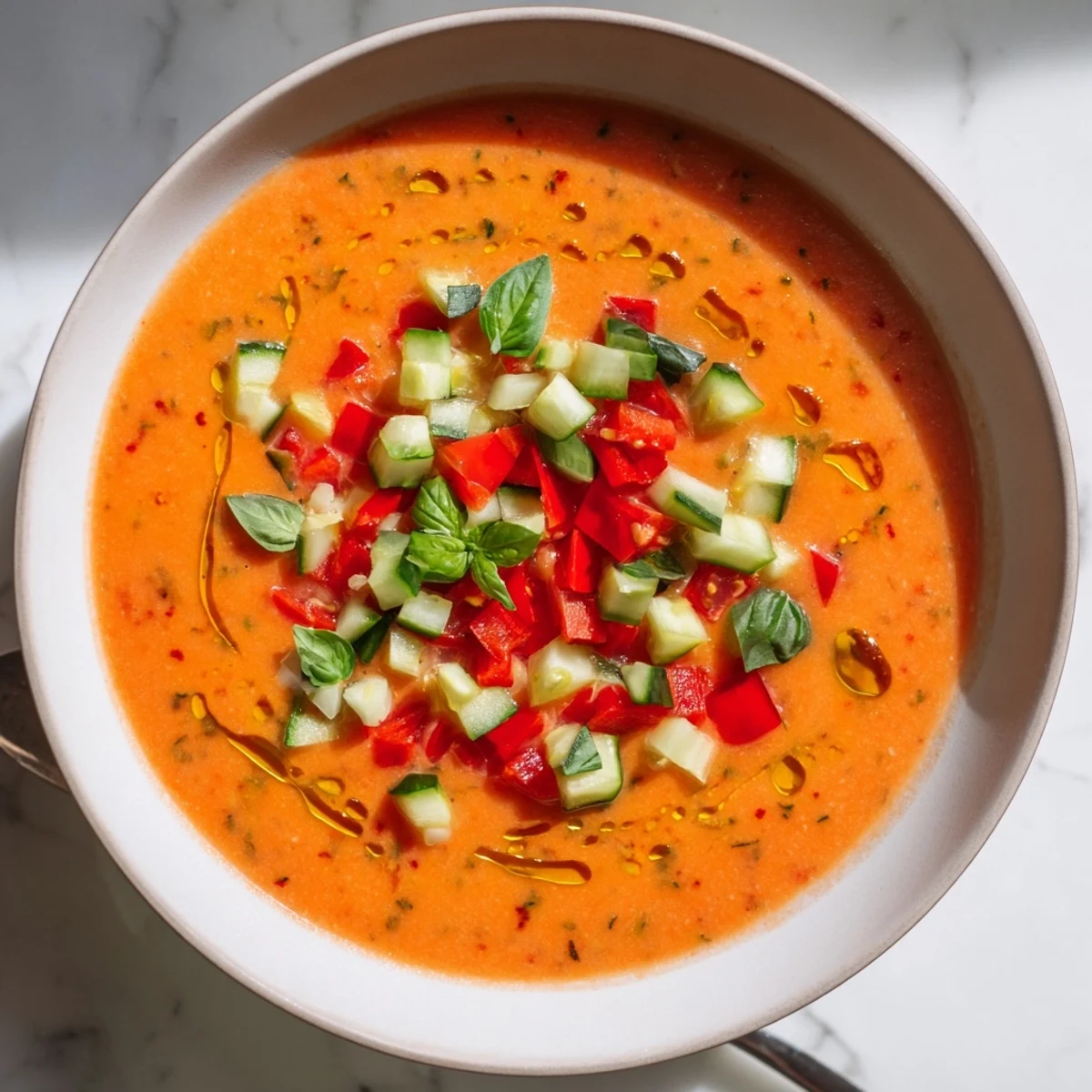
- Ladle into bowls or glasses and top with those tiny diced vegetables, fresh herbs and an extra drizzle of olive oil. The contrast between smooth soup and crisp garnish is everything.
 Pin This
 My neighbor now texts me every summer when her tomato plants go crazy, begging for another batch. There's something deeply satisfying about turning garden overflow into something this elegant and refreshing.
The Texture Question
I've spent years experimenting with consistency. Some days I want it silky smooth, almost like a cold cream soup. Other times I pulse it briefly so tiny flecks of vegetables remain, giving each spoonful something to chew through. Both are legitimate, but smooth feels more refined to me.
Make It Your Way
Traditional gazpacho is a template, not a religion. I've added watermelon for extra sweetness, swapped in red pepper for a deeper color, and even thrown in a jalapeno when I wanted heat. The core elements remain, but there's room to play.
Serving Suggestions
While gazpacho is perfectly fine on its own, it shines as part of a spread. I love setting out bowls of garnishes and letting guests customize their portions. The ritual of choosing your toppings becomes part of the experience.
- Keep the garnishes small and uniform. Tiny dice looks elegant and ensures every bite gets a bit of everything.
- Chill your serving bowls or glasses in the freezer for 15 minutes before serving. It keeps the soup colder longer.
- Leftovers improve overnight. If you can, make it a day ahead and let the flavors really marry.
 Pin This
 There's no better feeling than pulling a container of gazpacho from the fridge on a sweltering day and knowing dinner is already done, delicious and barely required any heat to make.
Recipe FAQs
- → How long should gazpacho chill before serving?
-
Chill for at least 2 hours to allow flavors to meld. For even better results, refrigerate overnight—the flavors deepen and develop more complexity over time.
- → Can I make gazpacho without a blender?
-
You can use a food processor or immersion blender. For a rustic chunky version, finely chop all vegetables by hand and mix well with the liquids, though the texture will differ from traditional smooth gazpacho.
- → Is gazpacho better the next day?
-
Yes, the flavors improve after sitting overnight. The vegetables continue to release their juices, creating a more harmonious and well-rounded taste profile.
- → What can I use instead of sherry vinegar?
-
Red wine vinegar makes an excellent substitute. Apple cider vinegar or champagne vinegar also work, though they'll slightly alter the traditional Spanish flavor profile.
- → How long does gazpacho last in the refrigerator?
-
Stored in an airtight container, gazpacho keeps for 3-4 days refrigerated. The texture may separate slightly—simply stir before serving. For best quality, consume within 2 days.
- → Can I freeze gazpacho?
-
Yes, freeze for up to 3 months. Note that texture may change slightly upon thawing—vegetables can become somewhat grainy. Blend briefly after thawing to restore consistency.