
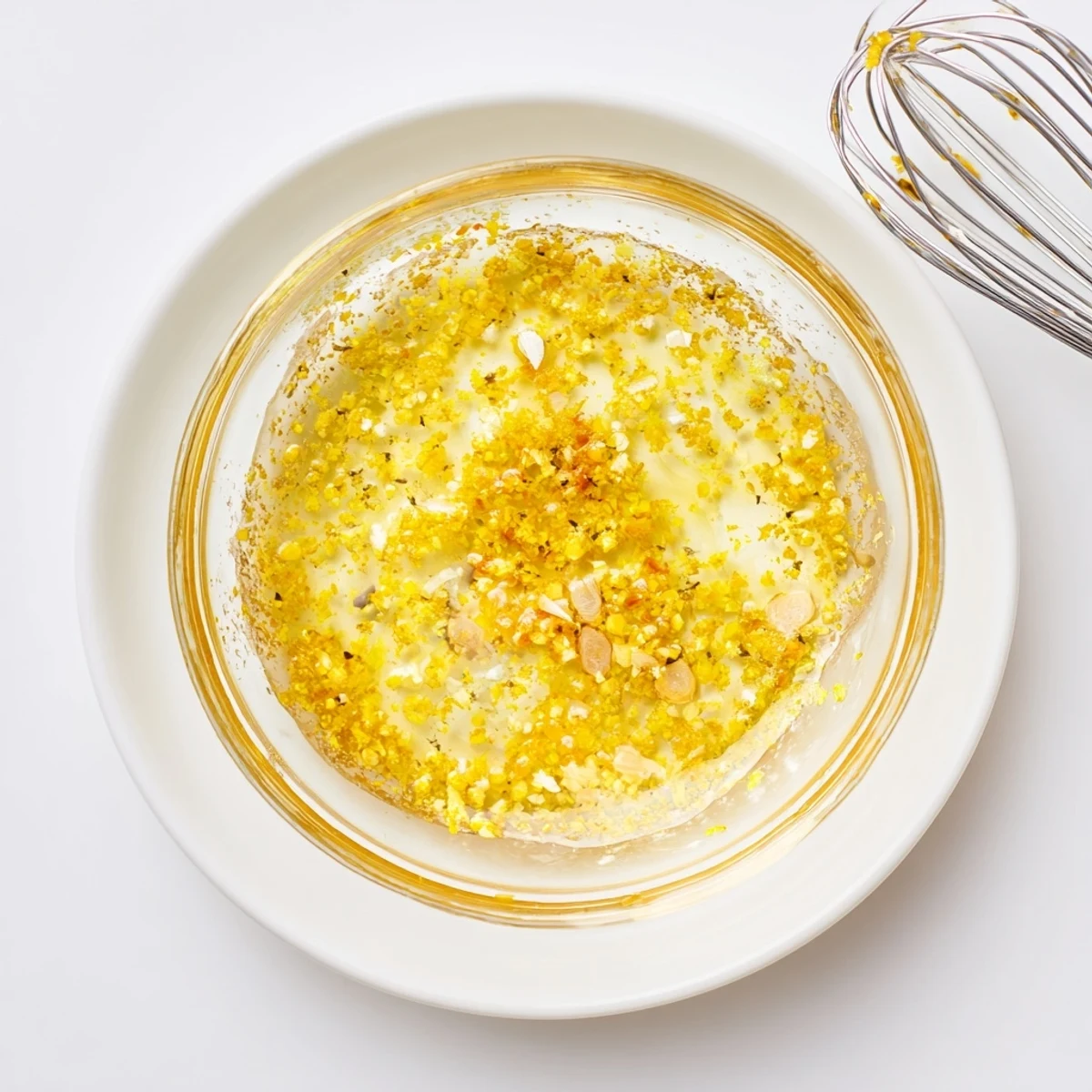
 Pin This
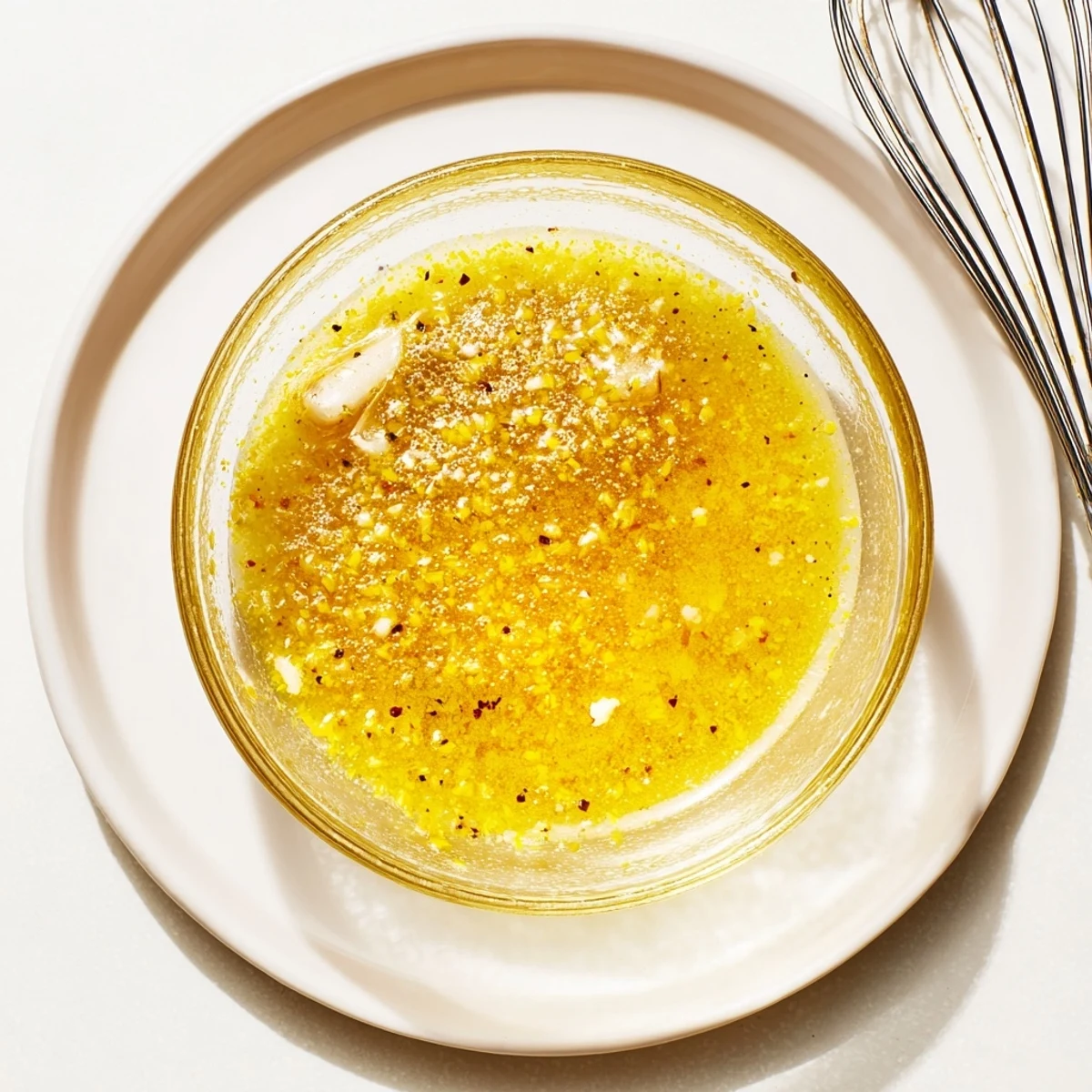
 This honey lemon vinaigrette delivers the perfect balance of bright citrus and subtle sweetness. The combination of freshly squeezed lemon juice, honey, and Dijon mustard creates a velvety emulsion that coats greens beautifully while adding zesty freshness to everything from crisp mixed salads to warm roasted vegetables and grilled proteins.
What makes this dressing exceptional is its versatility - use it as a classic salad vinaigrette, brush it onto chicken or fish during grilling, or toss it with still-warm roasted vegetables for instant flavor. The honey balances the lemon's acidity perfectly, while Dijon acts as an emulsifier, helping the olive oil blend smoothly for a consistent texture.
Last summer my garden gave me more arugula than I knew what to do with, and I threw together this honey lemon dressing on a Tuesday afternoon. Something about how the honey balances the sharp lemon just clicked. Now I make a double batch every Sunday because my family actually asks for salad.
I brought a mason jar of this to a potluck last month and three people asked for the recipe before they even finished their plates. Watching skeptics become salad believers after one bite was pretty satisfying.
Ingredients
- Extra-virgin olive oil: The real backbone of any vinaigrette, so use something you actually like drinking straight
- Freshly squeezed lemon juice: Bottled stuff works but fresh lemons make the whole dressing sing
- Honey: Creates this gorgeous emulsion while balancing the acid with just enough sweetness
- Dijon mustard: Not just for flavor but helps everything marry together into that silky texture
- Sea salt: Essential for waking up all the flavors and making the honey shine
- Freshly ground black pepper: Adds a gentle warmth that keeps things interesting
- Lemon zest: Optional but those little flecks of bright oil add restaurant polish
- Garlic: Skip if you want something delicate, add if you want more punch
Instructions
- Whisk your base together:
- Combine the lemon juice, honey, Dijon mustard, salt, pepper, and any optional additions in a small bowl until the honey dissolves completely.
- Emulsify like a pro:
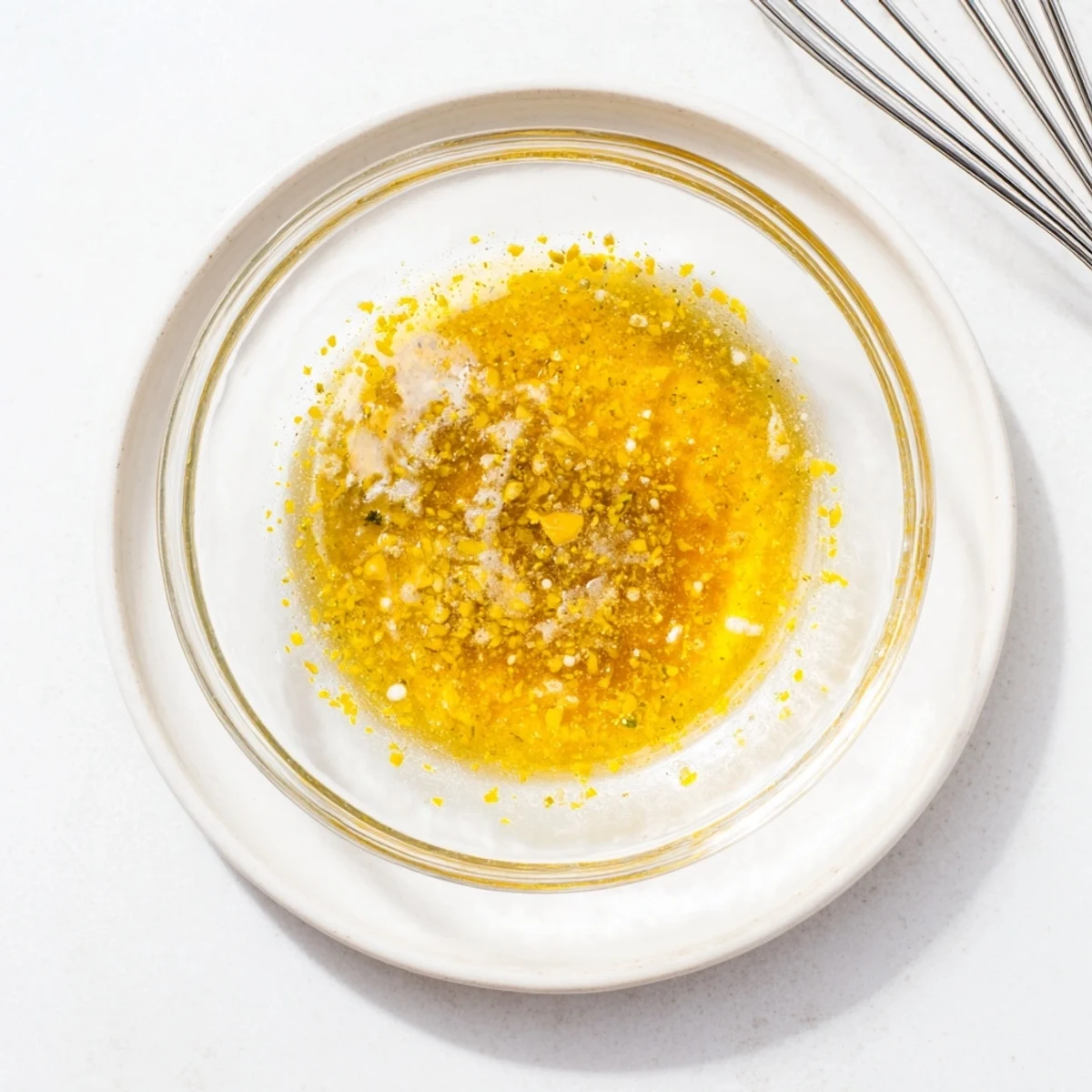
- Drizzle the olive oil in a thin stream while whisking constantly, watching the mixture transform into something creamy and cohesive.
- Taste and trust yourself:
- Dip a clean spoon in and adjust the salt or honey until it tastes exactly right to you.
- Store what you dont use:
- Keep any leftover dressing in a sealed jar in the refrigerator for up to a week.
 Pin This
 My youngest used to complain about salad until I started making this dressing. Now they actually request the spinach salad, which feels like a small parenting victory.
Pairing Ideas
This vinaigrette has this way of making simple roasted vegetables taste intentional. I have also discovered it creates this beautiful glaze on grilled salmon when brushed on during the last minute of cooking.
Make It Your Own
Fresh basil leaves turned into chiffonade add this whole other dimension. Sometimes I stir in a teaspoon of sumac when I want something that tastes more Mediterranean.
Troubleshooting
If your dressing tastes too sharp, add honey in quarter teaspoon increments until it mellows. When it feels too thick or oily, whisk in a teaspoon of warm water.
- Maple syrup works beautifully instead of honey for a vegan version
- Shake the jar vigorously before using if it has been sitting
- Double the recipe and keep the extra in the fridge for busy weeks
 Pin This
 Something about making your own dressing feels like kitchen self care that pays off every single time.
Recipe FAQs
- → How long does homemade vinaigrette last?
-
Store this vinaigrette in an airtight container in the refrigerator for up to 1 week. The olive oil may solidify when cold - simply bring to room temperature and whisk or shake well before using to restore the smooth emulsion.
- → Can I make this vinaigrette vegan?
-
Absolutely. Replace the honey with an equal amount of pure maple syrup or agave nectar. Both alternatives provide the necessary sweetness to balance the lemon's acidity while creating a plant-based dressing.
- → Why is my vinaigrette separating?
-
Separation is natural for vinaigrettes. The Dijon mustard helps emulsify the oil and acid, but without stabilizers, the mixture will separate over time. Simply whisk or shake vigorously before each use to recombine the ingredients into a smooth dressing.
- → What does this vinaigrette pair best with?
-
This bright dressing complements mixed greens, arugula, spinach, and kale beautifully. It also pairs wonderfully with grilled chicken, roasted vegetables, steamed asparagus, and fresh summer tomatoes. The citrus notes cut through rich foods while the honey adds complexity.
- → Can I use bottled lemon juice?
-
Freshly squeezed lemon juice provides superior flavor and brightness compared to bottled varieties. For the best results, use fresh lemons and add the optional lemon zest for extra aromatic oils that enhance the overall taste.
- → How can I make this vinaigrette thicker?
-
For a creamier texture, increase the Dijon mustard to 2 teaspoons or blend in 1 teaspoon of mayonnaise or Greek yogurt. These additions create a thicker consistency that clings more generously to salad greens.