
 Pin This
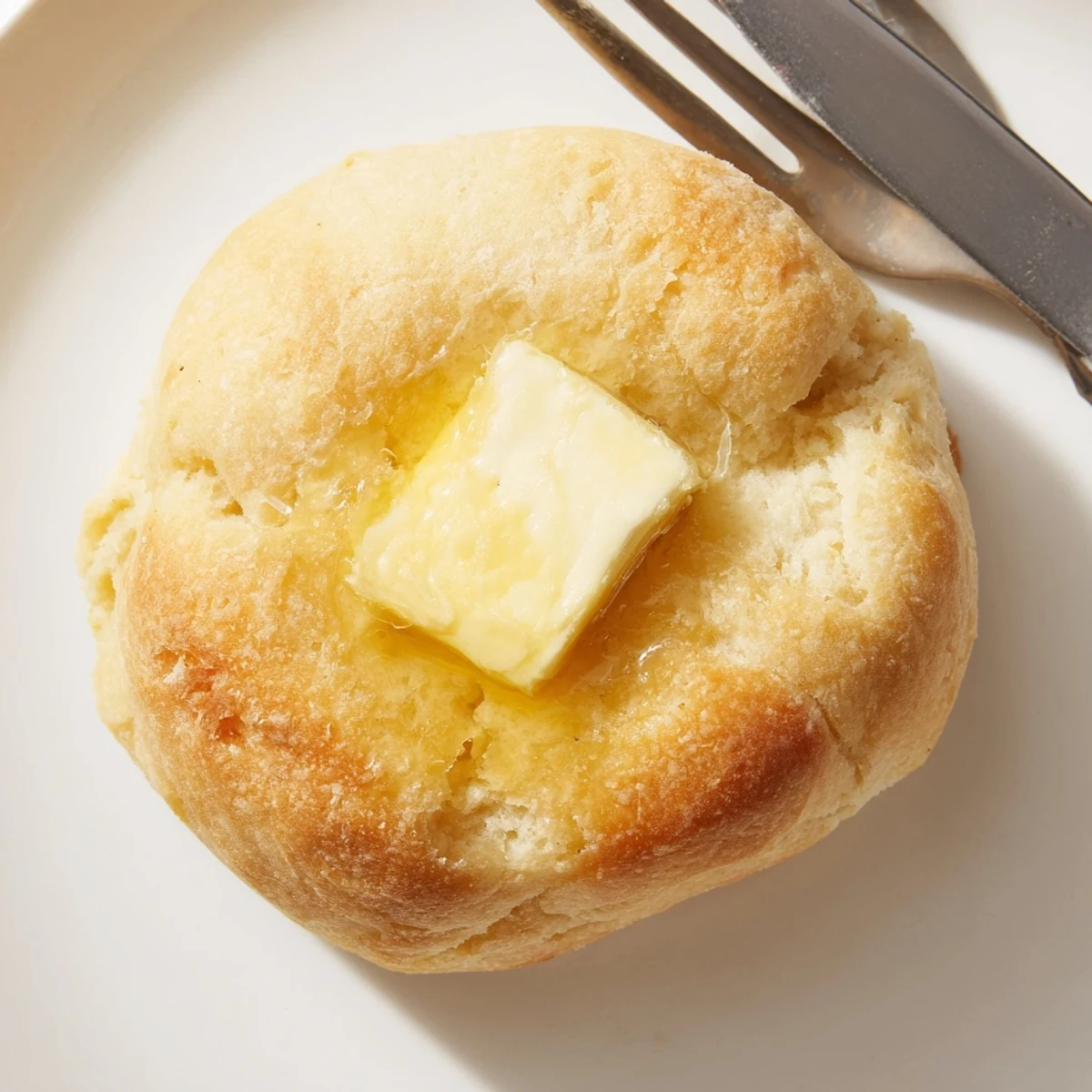
 Irish potato bread farls are a beloved Northern Irish griddle bread made from mashed floury potatoes, flour, butter, and milk. The dough is gently kneaded, shaped into quarters, and cooked on a non-stick pan until golden and slightly puffed. Served warm with salted butter, they offer a comforting and versatile dish perfect for breakfast or a satisfying snack. Variations like adding chives or black pepper enhance the flavor, while pairing with fried eggs or smoked salmon turns it into a filling meal.
The smell of potatoes hitting hot butter on a griddle takes me straight to a tiny kitchen in Belfast where I first watched someone make farls with such casual confidence. The dough was pressed flat with weathered hands, nothing measured, just knowing when it felt right. That first bite, still steaming, taught me that the simplest breads often carry the deepest memories.
My friend Siobhan would make these on Sunday mornings while we drank tea and planned our week. She told me her grandmother made farls every single day, and you could tell it was muscle memory, not something she thought about. Now whenever I see that quartered circle shape, I hear her laugh and remember how something so humble could feel like such a gift.
Ingredients
- Floury potatoes: Maris Piper or Russet work best because they mash fluffy and absorb the flour without becoming gummy
- Unsalted butter: Using unsalted in the dough lets you control the salt level, though salted butter for serving is non negotiable
- Whole milk: Warm milk creates a softer dough, but you can substitute with buttermilk for a slight tang
- Plain flour: All purpose flour gives just enough structure without making the bread tough or heavy
- Fine sea salt: Enhances the mild potato flavor, though you can add black pepper or chives if you prefer
Instructions
- Boil and mash the potatoes:
- Start with cold salted water and simmer until the potatoes are completely tender, then drain them well and let them steam dry for a minute before mashing until smooth
- Create the dough:
- Mix in the hot butter and milk first until creamy, then fold in the flour and salt until you have a soft dough that just comes together
- Shape into a round:
- Turn onto a floured surface and gently pat into a circle about 1 cm thick, handling it lightly to keep it tender
- Cut into farls:
- Use a knife to divide the circle into four equal quarters, which is where the name farl comes from
- Cook until golden:
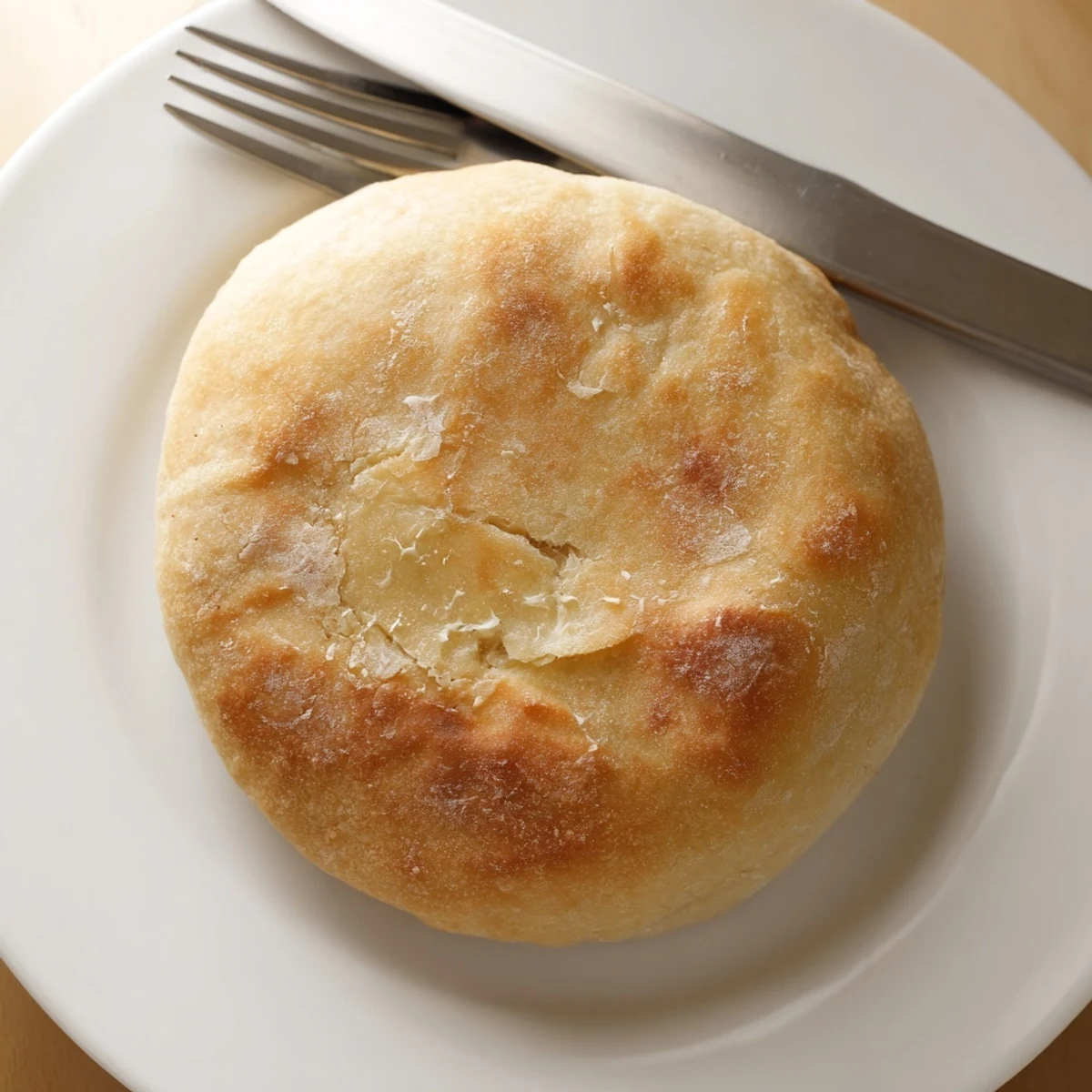
- Cook in a dry pan over medium low heat for 3 to 4 minutes per side until they puff slightly and develop golden spots
 Pin This
 Last winter my sister came over and we made farls together for the first time, hers slightly misshapen and mine too thick, but we stood at the stove eating them warm with melting butter and agreed they were perfect anyway. Some recipes are about precision, but this one is about comfort and showing up.
Getting the Texture Right
The dough should feel soft and slightly tacky but not sticky enough to cling to your fingers. Too much flour makes them heavy, while too little makes them impossible to shape without falling apart.
Make Them Your Own
Chopped chives, grated cheese, or even a pinch of cayenne pepper can transform these into something entirely new while keeping that same comforting potato bread foundation.
Serving Suggestions
Try them with smoked salmon and a squeeze of lemon, or fry leftover farls in a little butter until crispy and serve alongside a full Irish breakfast. They also make an unexpected base for a quick sandwich with sharp cheddar and apple.
- Reheat leftover farls in a toaster for a quick snack
- Freeze uncooked farls between parchment paper for up to a month
- Cook frozen farls directly in the pan, adding a minute per side
 Pin This
 Warm potato bread and good company turn ordinary mornings into something you remember years later.
Recipe FAQs
- → What type of potatoes work best for the farls?
-
Floury potatoes like Maris Piper or Russet are ideal because they mash smoothly, providing the right texture for the bread farls.
- → Can I add flavors to the dough?
-
Yes, adding chopped chives or a pinch of black pepper can enhance the taste without overpowering the traditional flavor.
- → How do I prevent the dough from sticking?
-
If the dough feels too sticky, gradually add a little extra flour until it's manageable for shaping.
- → What is the best cooking method?
-
Cook the farls on a medium-low heat griddle or non-stick pan without oil, allowing them to become golden and slightly puffed on each side.
- → How should the farls be served?
-
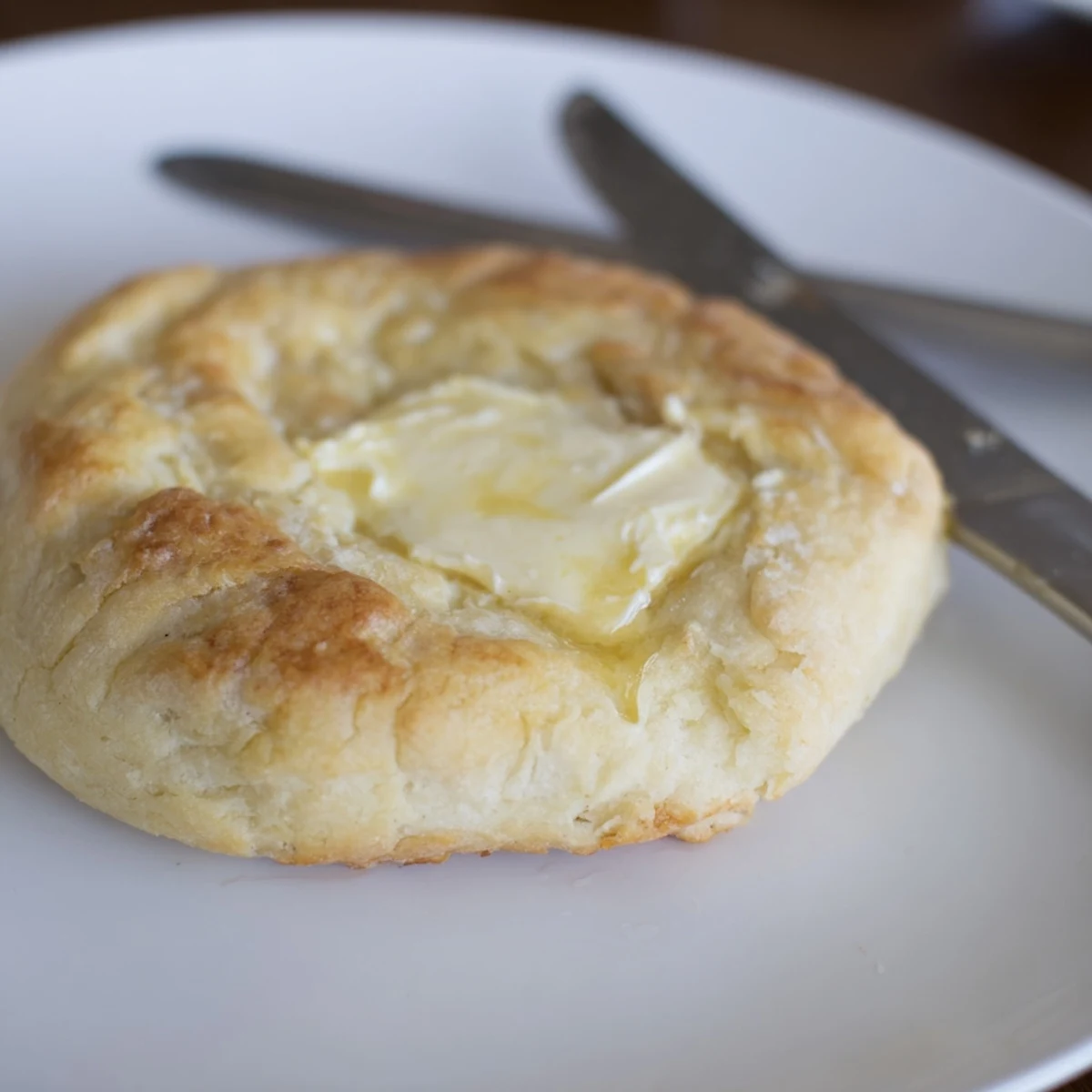
Serve warm with salted butter spread generously. They also pair well with fried eggs or smoked salmon for a heartier option.