
 Pin This
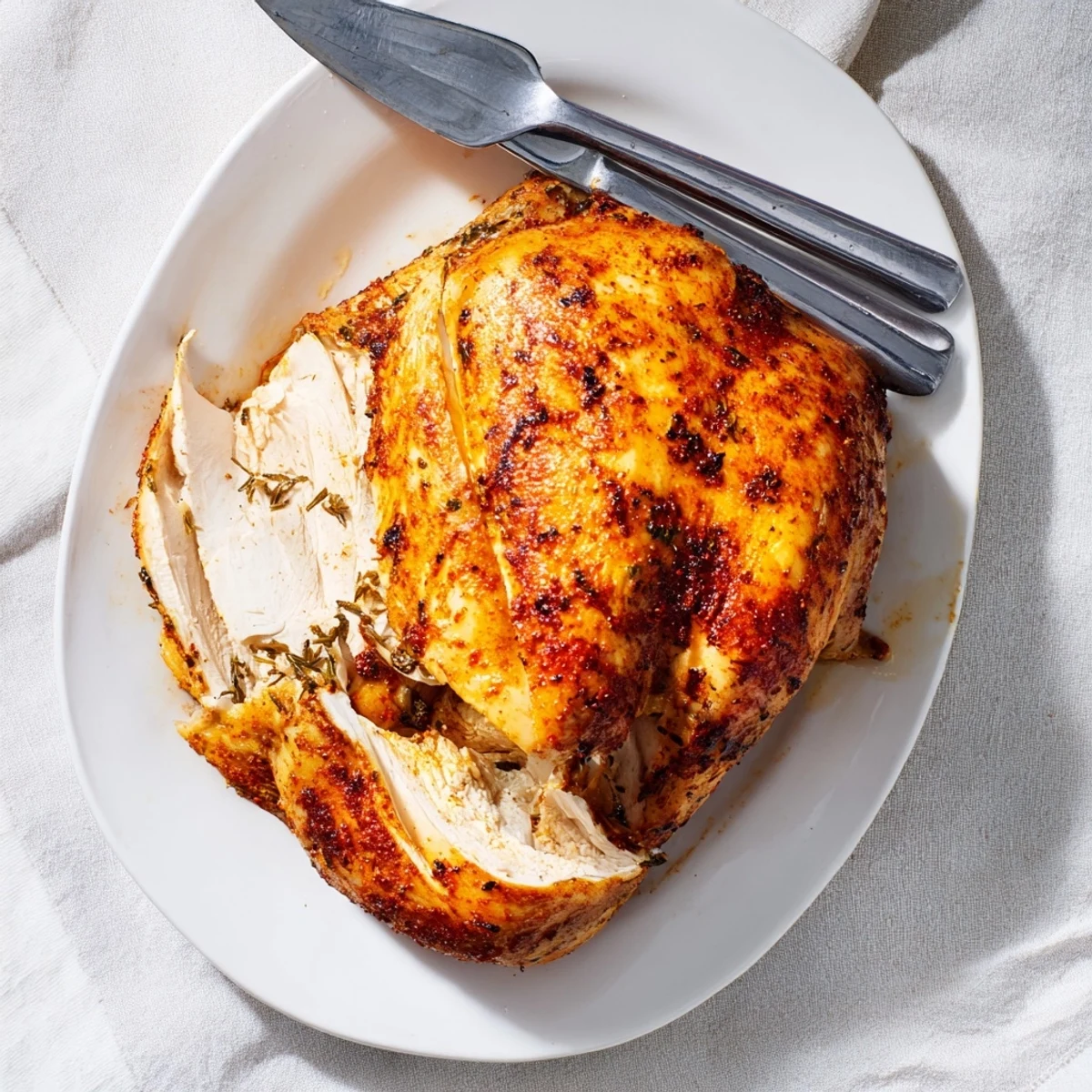
 Master the art of creating perfectly succulent whole chicken with irresistibly crispy, golden skin. This straightforward method delivers tender, juicy meat infused with aromatic herbs and spices, ideal for Sunday family dinners or special gatherings.
The preparation takes just 15 minutes of hands-on time before roasting. The combination of paprika, garlic powder, onion powder, dried thyme, and rosemary creates a savory crust while lemon and garlic inside the cavity keep the meat moist throughout cooking.
Whether using your oven or rotisserie spit, you'll achieve restaurant-quality results with this foolproof technique.
The smell of this chicken spinning on the rotisserie still takes me back to my first apartment, where I'd prop the back door open just to let the aroma drift down the hallway and lure neighbors over for dinner. There's something deeply satisfying about watching a whole bird transform into golden, crackling perfection while you barely lift a finger.
I once made this for a friend who swore she hated chicken skin, and I watched in delight as she went back for thirds of the crispy parts. That's when I knew this recipe was something special—it converts even the most skeptical eaters with its impossibly juicy meat and perfectly seasoned exterior.
Ingredients
- 1 whole chicken (about 3.5-4 lbs): Pat it completely dry with paper towels—this step is absolutely crucial for crispy skin
- 2 tbsp olive oil: Helps the seasoning adhere and promotes even browning
- 2 tsp kosher salt: Don't skimp here—salt penetrates the meat and seasons throughout
- 1 tsp freshly ground black pepper: Freshly cracked makes a noticeable difference
- 1 tbsp paprika: Smoked paprika adds a wonderful depth if you want to experiment
- 1 tsp garlic powder: Distributes garlic flavor more evenly than fresh garlic would on the surface
- 1 tsp onion powder: The secret ingredient many people forget but everyone notices
- 1 tsp dried thyme: Earthy and aromatic, pairs beautifully with chicken
- 1/2 tsp dried rosemary: A little goes a long way—too much can overpower the other flavors
- 1 lemon, halved: Acid inside the cavity keeps the meat tasting bright and fresh
- 4 garlic cloves, smashed: They'll mellow and sweeten as they roast inside the bird
- Optional aromatics: An onion quartered and fresh herb sprigs add extra complexity if you have them
Instructions
- Preheat your oven or rotisserie:
- Get your oven to 375°F or set up your rotisserie according to the manufacturer's instructions so it's ready when you are.
- Prep the chicken:
- Pat the chicken thoroughly dry with paper towels, then gently loosen the skin over the breasts and thighs using your fingers—this creates little pockets for flavor.
- Mix your seasoning blend:
- Combine olive oil, salt, pepper, paprika, garlic powder, onion powder, dried thyme, and dried rosemary in a small bowl until you have a fragrant paste.
- Season inside and out:
- Rub half the mixture under the loosened skin, then massage the remaining seasoning all over the exterior of the chicken for maximum flavor coverage.
- Stuff the cavity:
- Fill the chicken's interior with lemon halves, smashed garlic cloves, onion quarters, and fresh herb sprigs to infuse flavor from the inside out.
- Truss the chicken:
- Tie the legs together with kitchen twine and tuck the wings underneath to promote even cooking and a beautiful presentation.
- Rotisserie method:
- Secure the chicken on the spit and roast for 1 hour 10-20 minutes until the thigh reaches 165°F and juices run clear.
- Oven method:
- Place breast-side up on a rack in a roasting pan and cook for 1 hour 20 minutes, basting occasionally, until golden and cooked through.
- Rest before carving:
- Let the chicken rest loosely tented with foil for 10-15 minutes—this locks in the juices and makes carving easier.
 Pin This
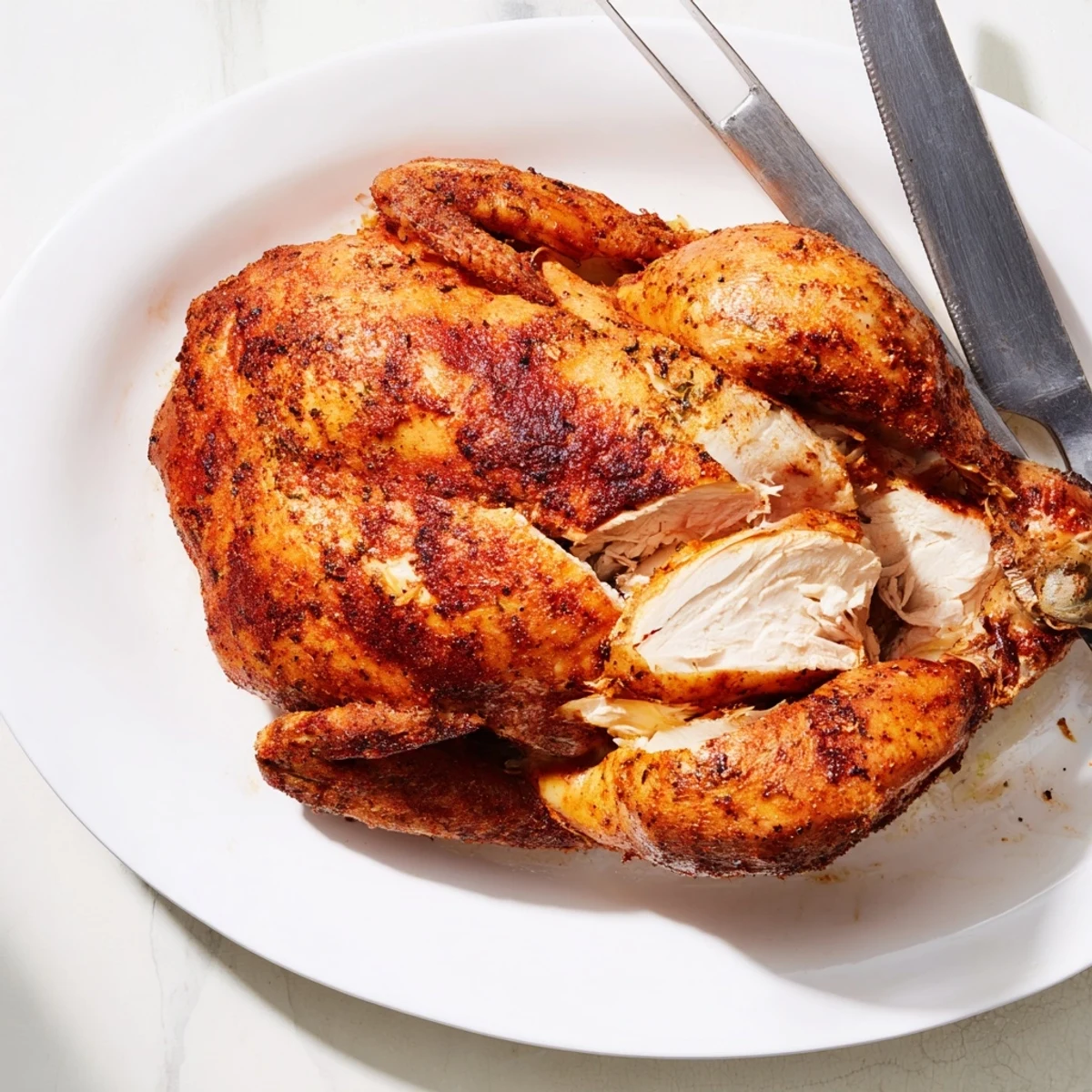
 This chicken became my go-to for Sunday dinners after my grandmother admitted it was better than hers—a compliment I still treasure years later. There's something universal about a perfectly roasted bird that brings people to the table with genuine excitement.
Getting The Skin Extra Crispy
The refrigerator trick is game-changing—leave the chicken uncovered for 2 to 12 hours before cooking, and the cold air dries the skin completely. This simple step transforms good chicken into extraordinary chicken with shatteringly crisp skin that people will fight over.
Rotisserie Versus Oven Roasting
Both methods produce delicious results, but the rotisserie self-bastes as it spins, creating exceptionally juicy meat. Oven roasting gives you more control and requires less equipment—either way, you're in for a treat that rivals any store-bought version.
Serving Ideas That Never Fail
The options here are endless because this chicken pairs beautifully with almost any side dish you love. Keep it simple or go all out—the bird is the star regardless.
- Roasted root vegetables with a drizzle of the pan juices
- A crisp green salad with a bright vinaigrette to cut through the richness
- Mashed potatoes or roasted potatoes for a classic comfort meal
 Pin This
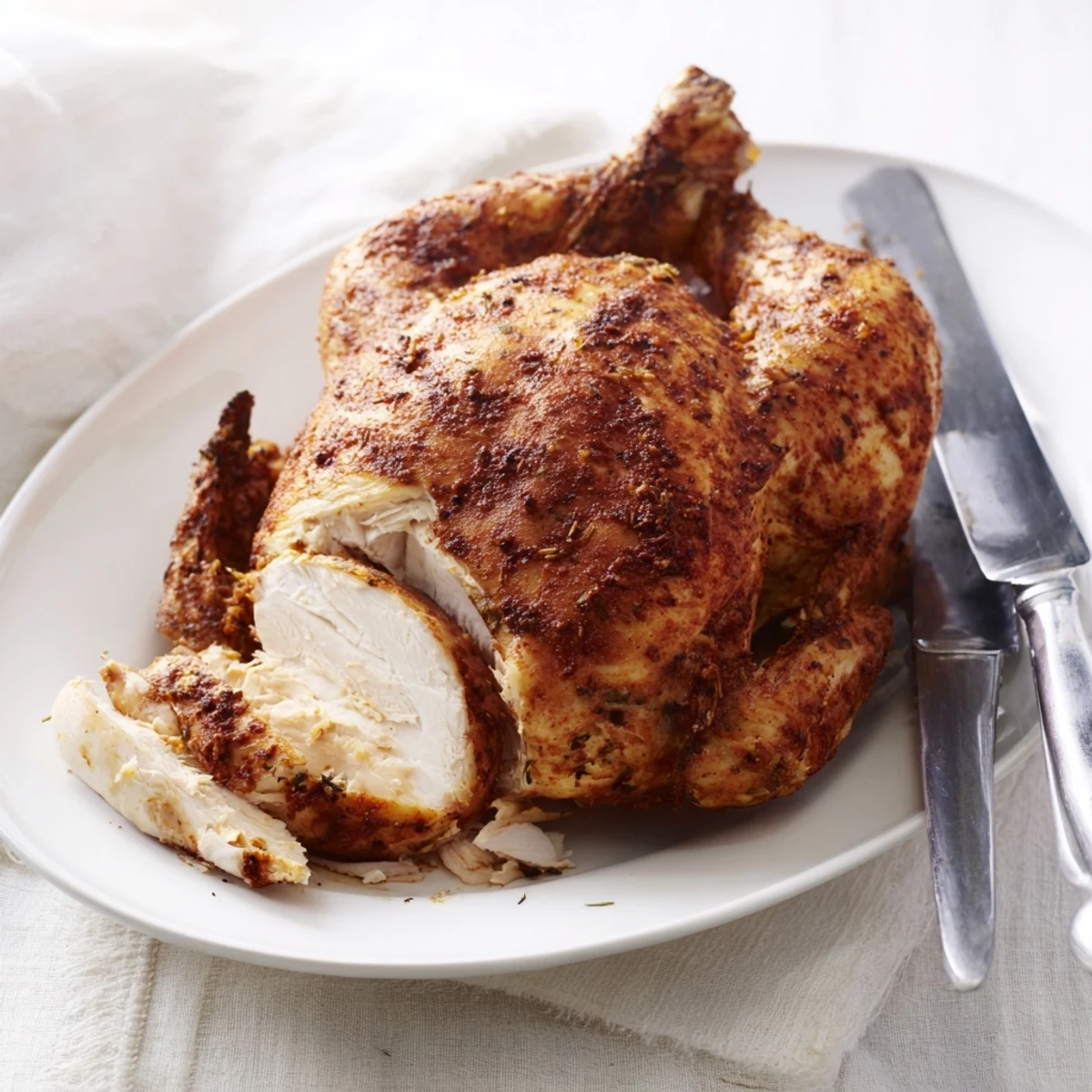
 There's pure joy in pulling this golden bird out of the oven and watching everyone's eyes light up around the table. Some recipes feed you, but this one feeds your soul.
Recipe FAQs
- → How long does it take to roast a whole chicken?
-
A 3.5–4 pound chicken typically roasts for 1 hour 20 minutes at 375°F. Always verify doneness by checking that the thickest part of the thigh reaches 165°F internally.
- → What's the secret to crispy chicken skin?
-
Pat the chicken thoroughly dry before seasoning. For extra-crispy results, let it air-dry uncovered in the refrigerator for 2–12 hours before cooking. This removes excess moisture allowing the skin to crisp beautifully.
- → Should I truss the chicken before roasting?
-
Yes, trussing helps the bird cook evenly and maintain an attractive shape. Tie the legs together with kitchen twine and tuck the wings under to prevent them from burning.
- → How do I know when the chicken is done cooking?
-
Insert a meat thermometer into the thickest part of the thigh without touching bone. It should read 165°F. Alternatively, pierce the thigh—clear juices indicate doneness while pink means it needs more time.
- → Why should I let chicken rest after cooking?
-
Resting for 10–15 minutes allows juices to redistribute throughout the meat. Cutting too soon releases these juices, leaving your chicken drier. Tent loosely with foil while resting.
- → Can I use different herbs in this preparation?
-
Absolutely. While thyme and rosemary work beautifully, sage, oregano, or poultry seasoning blends make excellent substitutes. Fresh herbs can replace dried ones—use three times the amount.