
 Pin This
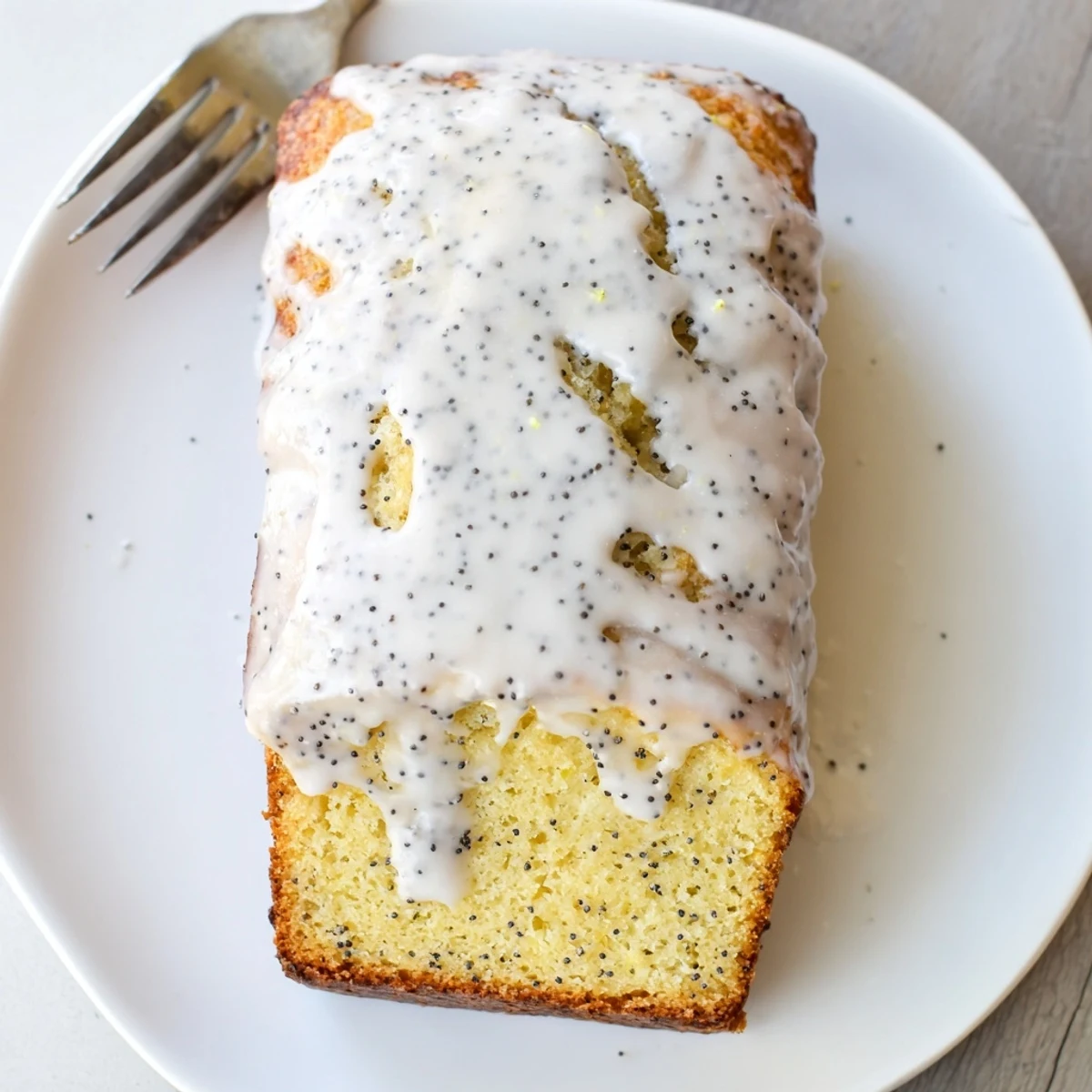
 This vibrant cake combines bright lemon flavor with the satisfying crunch of poppy seeds, creating a perfect balance of sweet and tangy. The tender crumb stays incredibly moist thanks to butter and milk, while the fresh lemon zest and juice provide an authentic citrus punch. A simple powdered sugar glaze adds just the right amount of sweetness to complement the zesty base. Ideal for spring celebrations, afternoon tea, or whenever you crave something bright and uplifting.
My kitchen smelled like a citrus grove the morning I pulled this cake from the oven, windows open and a warm breeze carrying the scent out to the yard where my neighbor actually stopped mowing to ask what I was baking. That is the power of lemon poppy seed cake. It turns heads and ruins diets in the gentlest way possible.
I brought this to a potluck once and watched three people go back for seconds before the main dishes were even touched. There is something about that bright lemon flavor that makes people lose all sense of portion control in the best way.
Ingredients
- 3/4 cup unsalted butter, softened: Pull it out an hour ahead because cold butter will fight you every step of the way and leave ugly lumps.
- 1 cup granulated sugar: Plain white sugar lets the lemon shine without muddying the flavor.
- 2 large eggs: Room temperature eggs blend more smoothly into the batter.
- 1/2 cup whole milk: The fat matters here and skim milk will leave you with a drier crumb.
- 1/4 cup fresh lemon juice: Bottled juice tastes flat and metallic so squeeze it fresh.
- 1 tbsp lemon zest: This is where most of the flavor lives so zest before you juice and avoid the bitter white pith.
- 1 1/2 cups all purpose flour: Spoon and level it because packed flour turns a tender cake into a brick.
- 1 1/2 tsp baking powder: Check the expiration date because old baking powder simply gives up.
- 1/4 tsp salt: Just enough to sharpen the sweetness without tasting salty.
- 2 tbsp poppy seeds: Toast them briefly in a dry pan for a deeper nuttier flavor.
- 3/4 cup powdered sugar: Sift it to keep the glaze silky and lump free.
- 2 tbsp fresh lemon juice (for glaze): Add gradually until you reach a pourable consistency.
Instructions
- Prep the oven and pan:
- Heat your oven to 350 degrees F and grease your loaf pan generously or line it with parchment, leaving overhang on the sides so you can lift the cake out cleanly.
- Cream butter and sugar:
- Beat them together until the mixture turns pale and cloud like, about three to four minutes, because this aeration is what makes the crumb tender.
- Add the eggs:
- Drop them in one at a time, mixing well after each, and scrape down the bowl so nothing hides at the bottom.
- Blend the wet flavors:
- Pour in the milk, lemon juice, and zest, stirring until combined, and do not panic if it looks slightly curdled because the flour will bring it back together.
- Combine dry ingredients:
- Whisk the flour, baking powder, salt, and poppy seeds in a separate bowl so everything is evenly distributed before meeting the wet mixture.
- Marry wet and dry:
- Fold gently with a spatula until just incorporated, stopping while you can still see a few streaks of flour, because overmixing builds gluten and kills tenderness.
- Fill the pan:
- Scrape every bit of batter into your prepared pan and smooth the top with the back of a spoon so it bakes evenly.
- Bake until golden:
- Slide it into the oven for 35 to 40 minutes, testing with a toothpick in the center, and it should come out with just a few moist crumbs clinging to it.
- Cool with patience:
- Let the cake rest in the pan for ten minutes, then turn it out onto a wire rack to cool completely before glazing.
- Make the glaze:
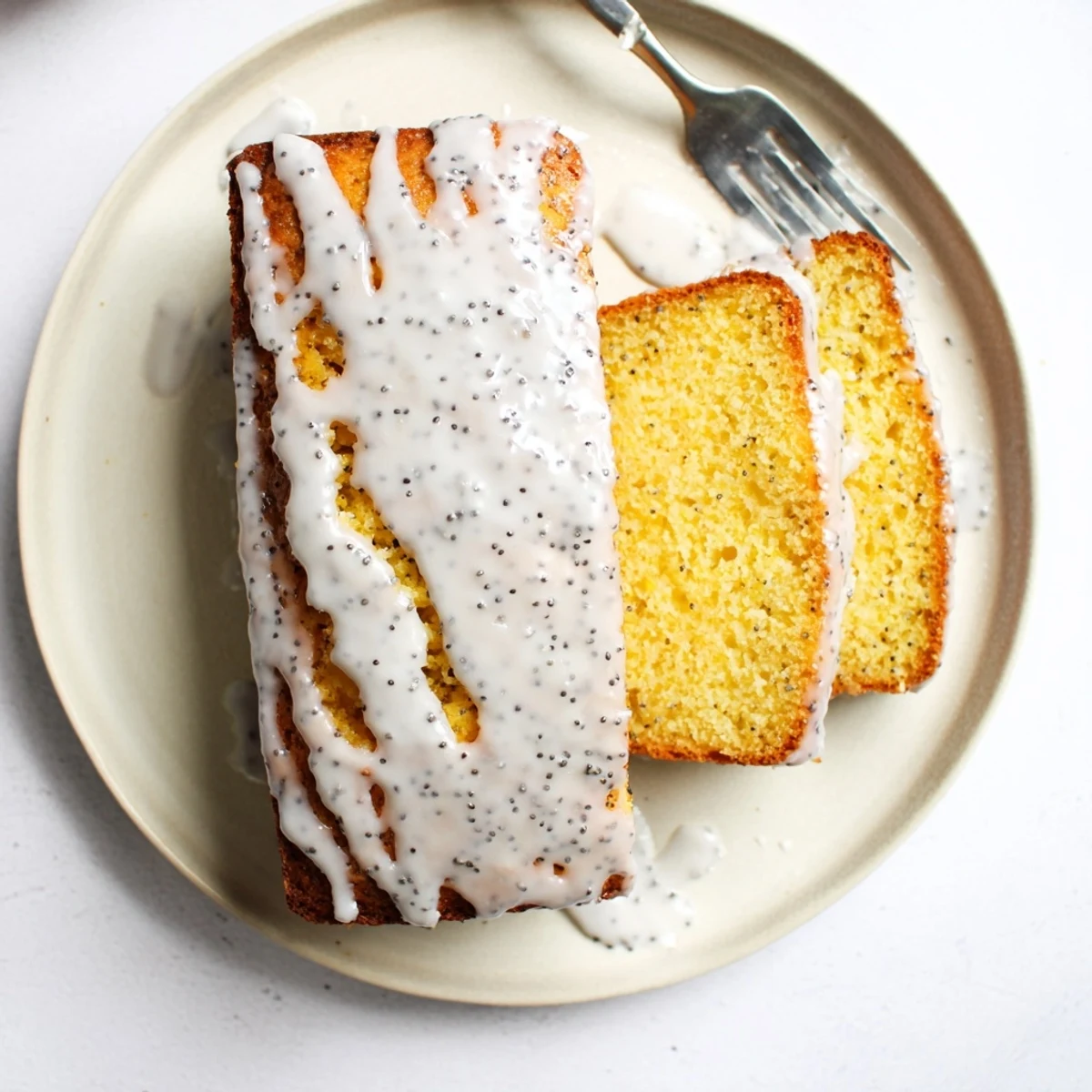
- Whisk powdered sugar and lemon juice together until smooth, then drizzle it over the cooled cake, letting it drip down the sides in lazy ribbons.
 Pin This
 The afternoon I served this to my mother, she sat quietly after her first bite, set down her fork, and told me it tasted like the cake her own grandmother used to make on Sundays. I had never heard that story before.
What to Pair It With
Serve thick slices alongside a handful of fresh raspberries and a dollop of barely sweetened whipped cream. The tartness of the berries plays beautifully with the sweet glaze.
Storing for Later
This cake actually tastes better on day two when the lemon flavor has had time to settle into every crumb. Wrap it tightly in plastic and it will stay moist on the counter for up to three days.
Little Tweaks That Work
Sometimes I swap the milk for sour cream when I want an especially rich crumb, and I have been known to double the zest when lemons are particularly fragrant.
- A drop of pure lemon extract can boost flavor but go easy because it quickly overpowers.
- Sour cream makes the crumb denser and more pound cake like if that is what you prefer.
- Always taste your glaze before pouring and adjust the sugar or juice to your liking.
 Pin This
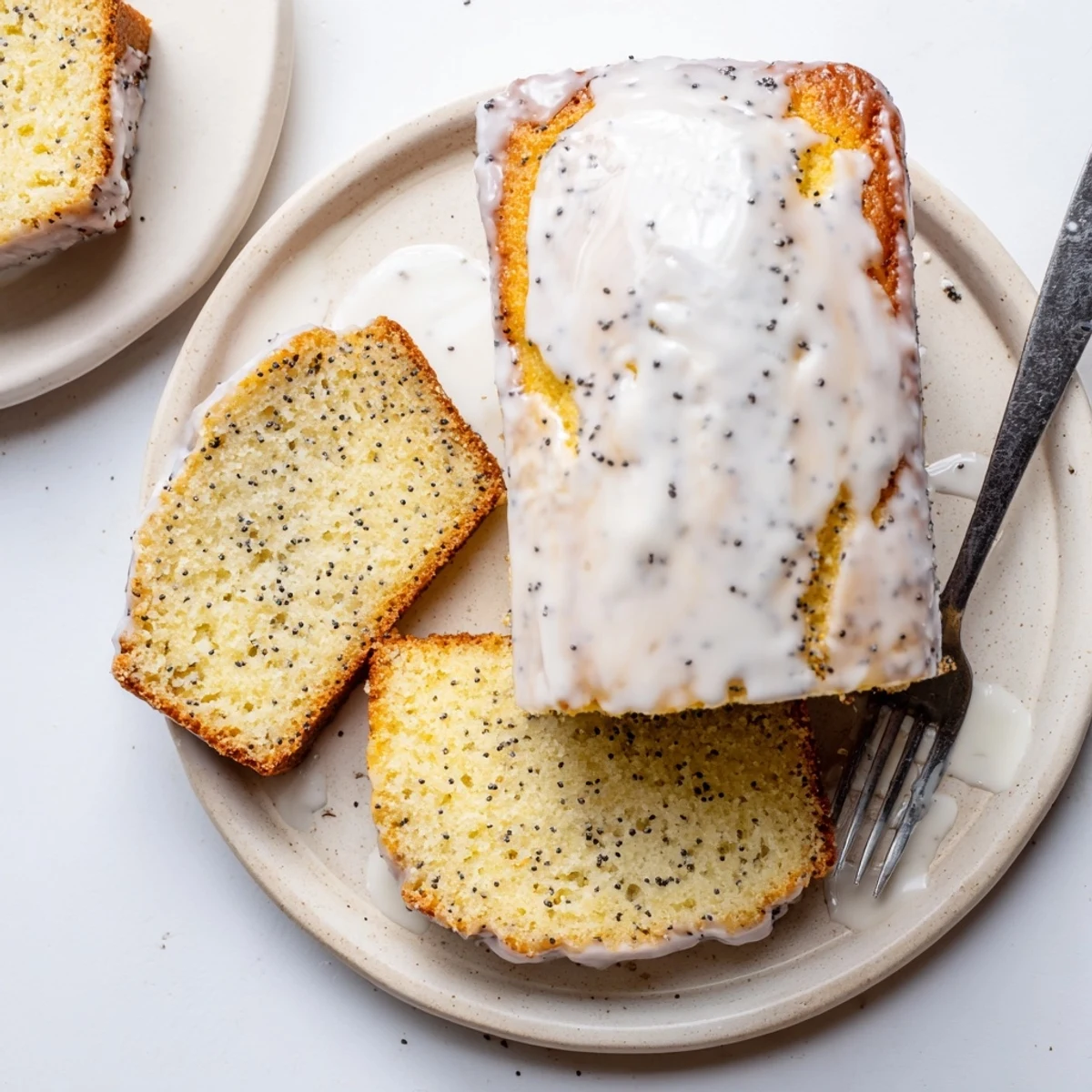
 This is the kind of cake that makes a Tuesday feel like a holiday, simple and bright and impossible to eat just one slice.
Recipe FAQs
- → Can I make this cake ahead of time?
-
Yes, this cake actually tastes better the next day as the flavors develop. Store at room temperature for up to 3 days wrapped tightly, or freeze for up to 3 months. Add the glaze before serving.
- → Why did my batter look curdled when adding lemon juice?
-
This is completely normal. The acid in lemon juice can cause dairy to curdle slightly, but it bakes out perfectly and won't affect the final texture.
- → Can I use bottled lemon juice instead of fresh?
-
Fresh lemon juice and zest provide the best flavor. Bottled juice lacks the bright, complex notes needed for this cake. For zest, use only fresh organic lemons when possible.
- → How do I know when the cake is done baking?
-
Insert a toothpick into the center—it should come out clean or with just a few moist crumbs. The top should be golden brown and spring back when lightly touched.
- → Can I make muffins instead of a loaf?
-
Absolutely. Divide batter among 12 standard muffin cups and bake at 350°F for 18-22 minutes. The glaze works beautifully drizzled over muffin tops too.
- → What's the best way to store leftovers?
-
Keep covered at room temperature for 2-3 days. For longer storage, refrigerate for up to a week. Bring to room temperature before serving for the best texture and flavor.