
 Pin This
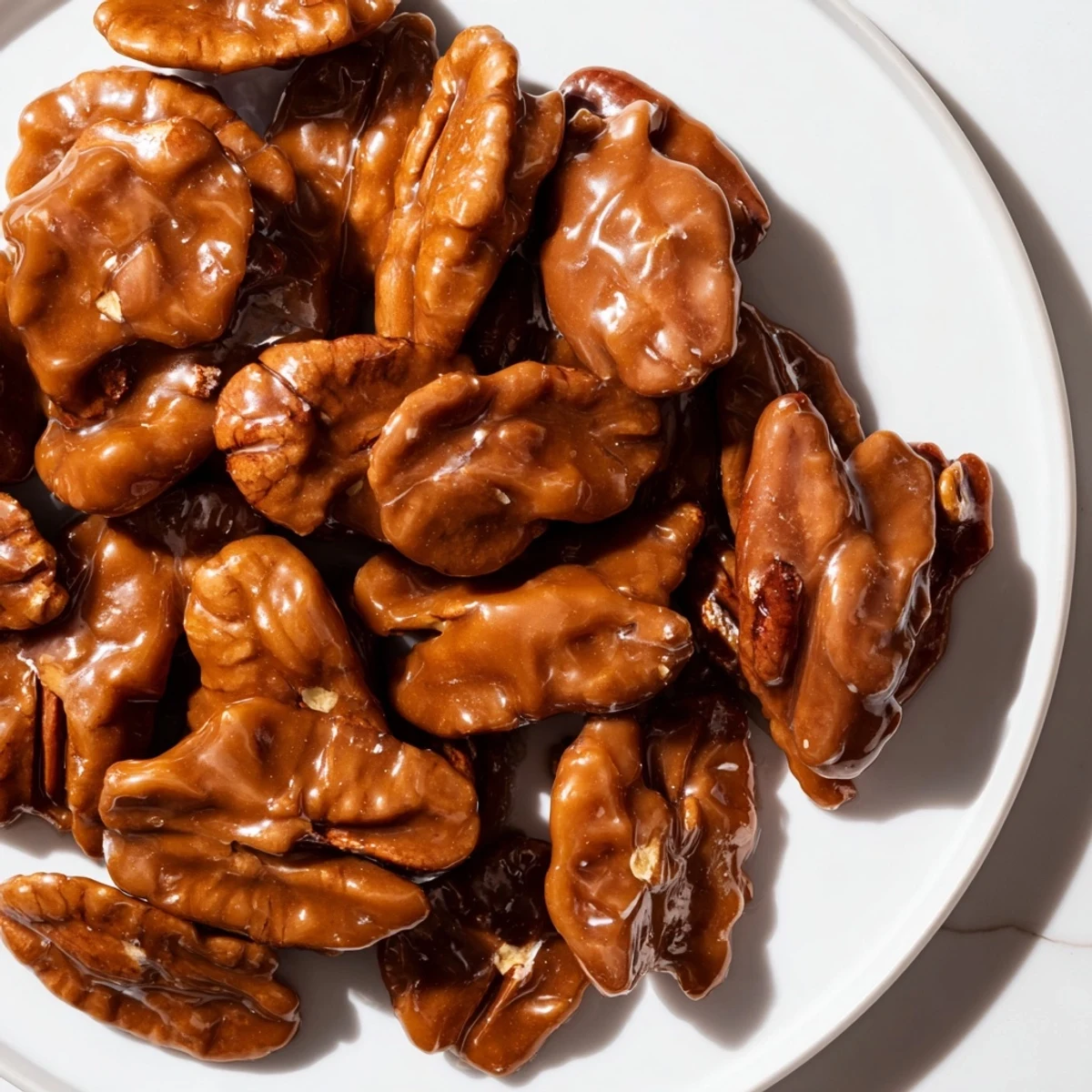
 This classic New Orleans treat features a creamy, melt-in-your-mouth confection made with roasted pecans and a blend of sugars and dairy. Prepared by cooking the mixture to a soft ball stage, then folding in toasted pecans and vanilla, these confections set into firm, sweet pralines perfect for celebrations or anytime indulgence. The process requires moderate attention to temperature and stirring for a smooth, creamy texture. Variations include using different nuts or adding warm milk to adjust consistency.
The humidity in New Orleans always seemed to make candy making feel like magic or disaster, usually hanging on a degree or two of temperature. My aunt would set up her weathered copper pot on the back burner like she was conducting an orchestra, waiting for the perfect moment when the sugar syrup would surrender into that milky, velvet stage. She taught me that pralines are as much about patience as they are about precision and that sometimes the best batches come from listening to the bubble rhythm instead of watching the clock.
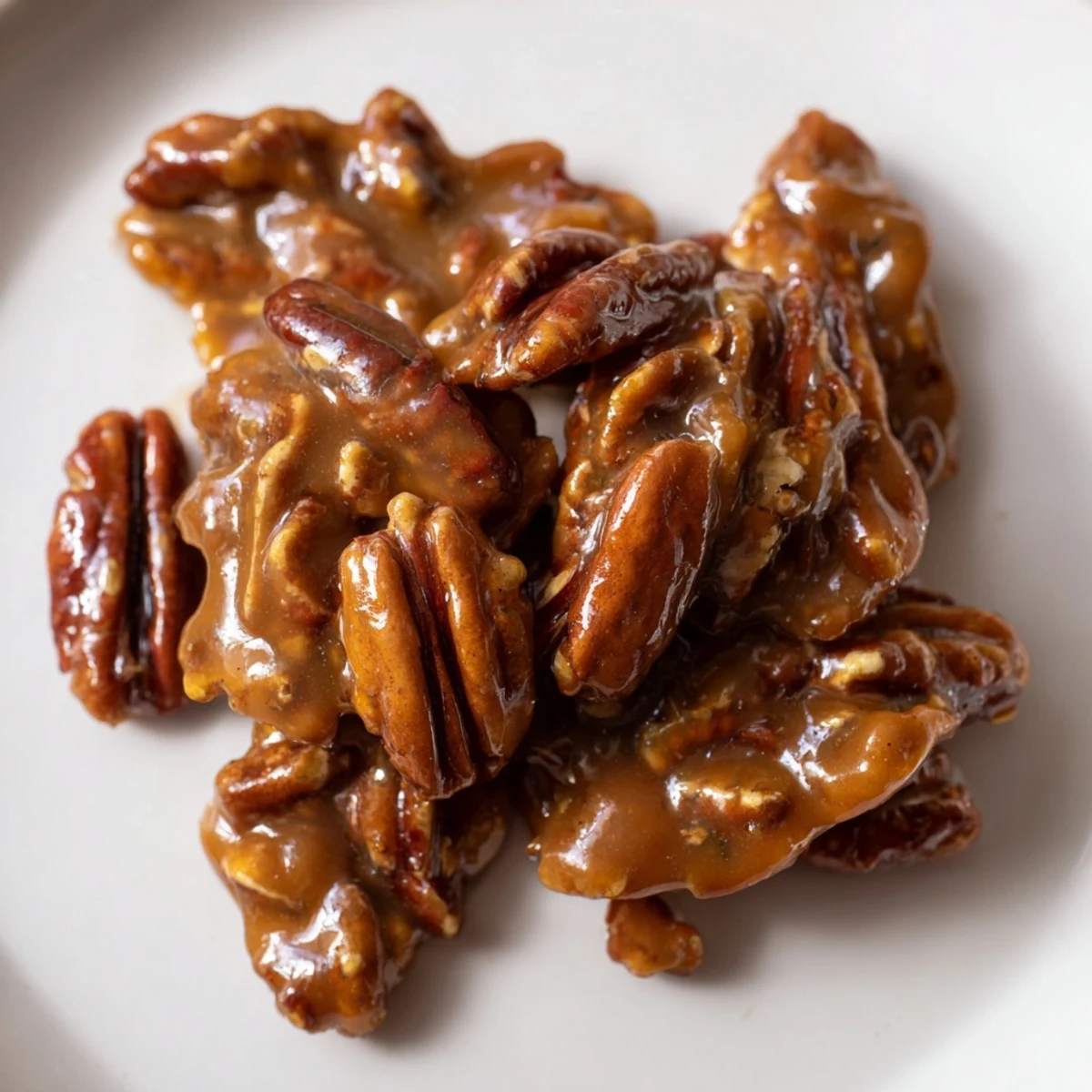
Last Mardi Gras, I made three batches back to back while my neighbors gathered on the porch, each one testing the cooling process like amateur scientists. We discovered that the pralines we dropped too quickly stayed glossy and soft, while the ones we let rest until the mixture turned cloudy developed that signature grainy texture that makes Southern grandmothers nod in approval.
Ingredients
- Granulated sugar: Creates the crystalline structure that gives pralines their characteristic slight crunch
- Light brown sugar, packed: Adds deep caramel notes and helps achieve that creamy fudge like texture
- Unsalted butter: Provides richness without interfering with the sugar crystallization process
- Heavy cream: Essential for the smooth, melt in your mouth consistency that separates good pralines from gritty ones
- Whole milk: Lightens the mixture slightly while contributing to the creamy base
- Vanilla extract: Rounds out the sweetness and adds that familiar bakery aroma
- Pecan halves, lightly toasted: Toasting intensifies the nutty flavor and adds a pleasant crunch throughout
- Salt: Balances the intense sweetness and makes all the flavors pop
Instructions
- Prepare your workspace:
- Line two baking sheets with parchment paper or silicone mats and have everything measured and ready before you turn on the stove.
- Combine the base:
- In a heavy bottomed saucepan over medium heat, combine granulated sugar, brown sugar, butter, heavy cream, milk, and salt, stirring constantly until butter melts and sugars dissolve completely.
- Monitor the temperature:
- Attach a candy thermometer to the pan and continue cooking, stirring occasionally, until the mixture reaches 236°F (soft ball stage), about 8 to 10 minutes.
- Add the finishing touches:
- Remove from heat immediately, stir in vanilla extract and pecans, then beat briskly with a wooden spoon for 2 to 3 minutes until the mixture thickens, becomes creamy, and loses some of its gloss.
- Spoon the pralines:
- Work quickly to drop heaping tablespoons onto the prepared baking sheets, spacing them apart as they will spread slightly.
- Let them set:
- Allow pralines to cool at room temperature for at least 20 minutes until firm and set, then store in an airtight container.
 Pin This
 These became my go to hostess gift after I brought a tin to a book club meeting and watched everyone reach for seconds instead of the store bought cookies. Now whenever I smell toasted pecans and caramelizing sugar, I think of how food can transport you thousands of miles to a French Quarter balcony.
Getting The Texture Right
The difference between glossy and grainy pralines comes down to that critical stirring period after you remove the mixture from heat. Watch for the color to shift from translucent to slightly opaque and for the mixture to fall from the spoon in thick ribbons rather than a steady stream.
Temperature Troubleshooting
If your pralines turn out too soft, the syrup did not reach a high enough temperature or the humidity was particularly high that day. Conversely, if they are hard as rocks, you likely overcooked the sugar or stirred too long after removing it from the heat.
Serving And Storage
Pralines develop their best flavor after sitting for a day, so try to make them at least 24 hours before serving if possible. They pair exceptionally well with strong chicory coffee or as part of a dessert board alongside bourbon balls and bread pudding.
- Wrap pralines individually in wax paper if storing in layers to prevent them from sticking together
- These freeze beautifully for up to three months if placed in an airtight container with parchment between layers
- A brief 10 second zap in the microwave can restore softness to pralines that have hardened too much
 Pin This
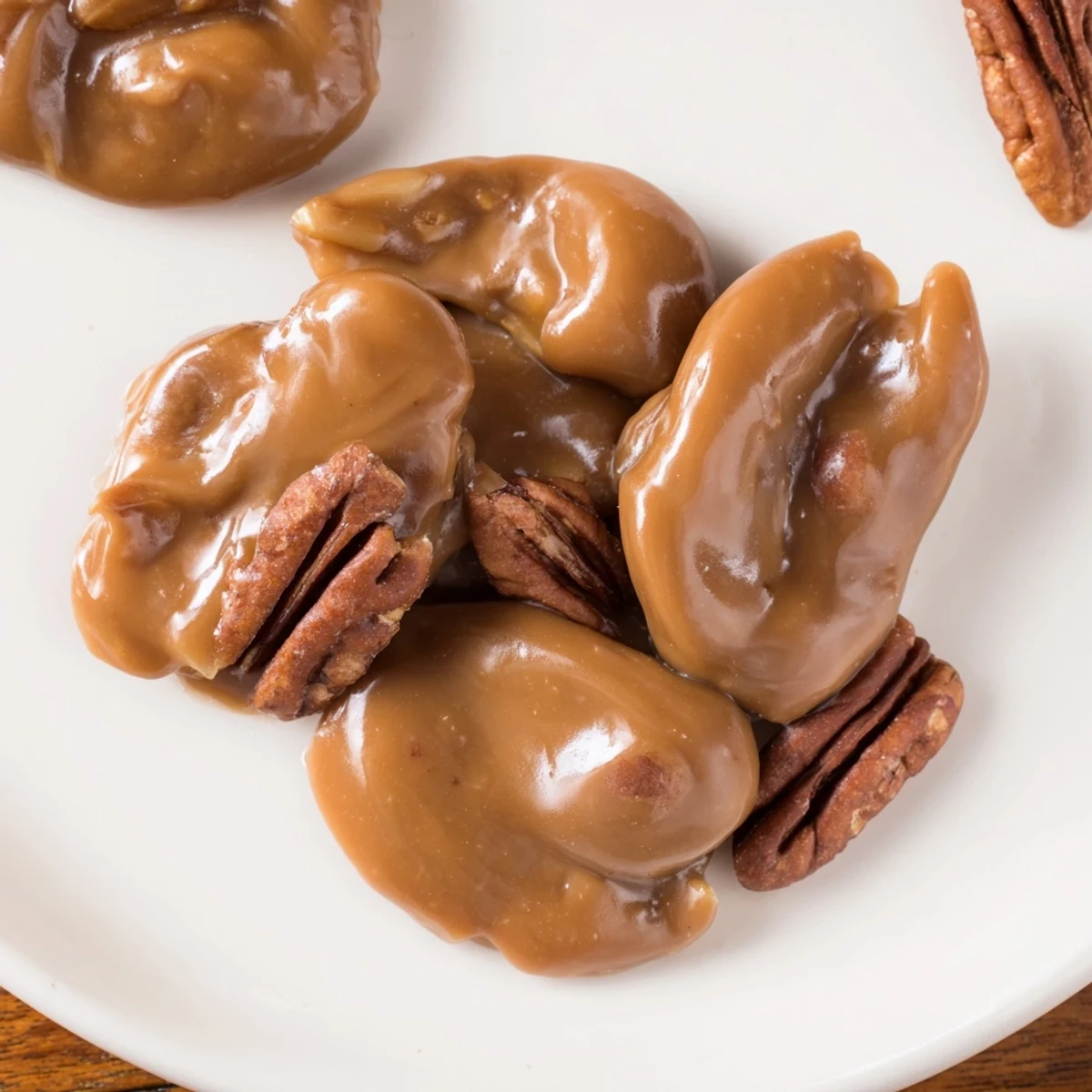
 Whether you are celebrating Mardi Gras or just craving something sweet and Southern, these pralines will transport you straight to the French Quarter.
Recipe FAQs
- → What is the ideal cooking temperature for the sugar mixture?
-
Cook the sugar blend to 236°F (soft ball stage) to achieve the perfect texture for creamy confections.
- → Can I substitute pecans with other nuts?
-
Yes, walnuts or almonds can be used as alternatives to pecans, adding a different flavor profile.
- → How do I prevent the mixture from hardening too quickly?
-
If the mixture firms before scooping, stir in one tablespoon of warm milk to loosen it for easier handling.
- → What is the best way to cool the confections after dropping on sheets?
-
Allow the pieces to cool at room temperature for at least 20 minutes until they are firm and set.
- → How should these sweets be stored and for how long?
-
Store in an airtight container at room temperature to keep freshness for up to one week.
- → Are there any common allergens in this confection?
-
These contain dairy and tree nuts; always check for potential cross-contamination with other allergens.