
 Pin This
 These delicate mini lemon cakes combine bright citrus flavor with aromatic lavender for an elegant dessert that's perfect for afternoon tea or special gatherings. The tender crumb comes from proper creaming techniques and careful mixing, while the infused glaze adds a sophisticated floral note that elevates the classic lemon profile.
The preparation involves steeping culinary lavender in warm milk to create a fragrant base for the glaze, then drizzling it over cooled cakes for a beautiful presentation. Each bite offers a harmonious balance of tart lemon and subtle lavender sweetness.
The afternoon sun was streaming through my kitchen window when I first attempted these little lemon cakes. I'd been to a garden party the previous spring where the hostess served something similar, and I couldn't shake the memory of that floral citrus combination. It took me three tries to get the glaze consistency right, but the moment I poured that first lavender-streaked drizzle over the cooled cakes, I knew I'd found something special. My neighbor stopped by unexpectedly that day and ended up staying for tea, sampling three in a row while we sat at my counter.
I made these for my mother's birthday last year, setting them on a three-tiered stand with fresh lavender sprigs tucked between the layers. She kept saying she shouldn't have another, then somehow found herself reaching for a third one while we sat on her porch watching the hummingbirds at the feeder. Now she asks for them every time I visit, claiming they're the only thing that properly accompanies her afternoon Earl Grey.
Ingredients
- All-purpose flour: The foundation of these tender cakes, providing just enough structure while keeping them light and airy
- Baking powder and baking soda: These work together to give the cakes their gentle rise, creating that perfect slightly domed top
- Salt: Just enough to brighten all the flavors and make the lemon sing
- Unsalted butter: Room temperature butter is crucial here, it creates the tender crumb and carries all those lovely flavors
- Granulated sugar: Sweetens while creaming with butter creates those tiny air pockets for a light texture
- Large eggs: Must be room temperature so they emulsify properly into the batter
- Lemon zest: This is where the real lemon flavor lives, those aromatic oils pack more punch than juice alone
- Fresh lemon juice: Adds brightness and tang, balancing the sugar and enhancing the lavender
- Pure vanilla extract: Rounds everything out, tying the citrus and floral notes together
- Whole milk: Creates tenderness and moisture, room temperature so it doesn't seize the butter
- Whole milk for glaze: Infused with lavender, this becomes the fragrant base for your finishing touch
- Culinary lavender buds: Make absolutely sure these are culinary grade and not from a craft store
- Powdered sugar: Sifted to prevent lumps, creating that smooth pourable consistency
- Extra lemon juice for glaze: Just enough to thin the glaze and add another layer of citrus brightness
Instructions
- Get your oven ready:
- Preheat to 350°F and thoroughly grease your mini bundt or muffin pan, getting into all those little crevices
- Whisk the dry ingredients:
- Combine flour, baking powder, baking soda, and salt in a medium bowl, setting it aside for later
- Cream butter and sugar:
- Beat them together for 2 to 3 minutes until the mixture looks pale and fluffy, this creates the tender texture
- Add the eggs:
- Drop them in one at a time, letting each one fully incorporate before adding the next
- Bring in the flavor:
- Stir in the lemon zest, juice, and vanilla until everything is fragrant and combined
- Combine wet and dry:
- Add flour in three parts, alternating with milk, starting and ending with flour, mixing just until you no longer see dry streaks
- Fill the pans:
- Divide batter evenly among cups, about two-thirds full, giving them room to rise
- Bake until golden:
- 17 to 20 minutes should do it, a toothpick coming out clean means they are done
- Make the lavender infusion:
- Heat milk just to a simmer, remove from heat, add lavender buds, and let steep for 10 minutes before straining
- Whisk the glaze:
- Combine infused milk with sifted powdered sugar and lemon juice until smooth and pourable
- Finish with flair:
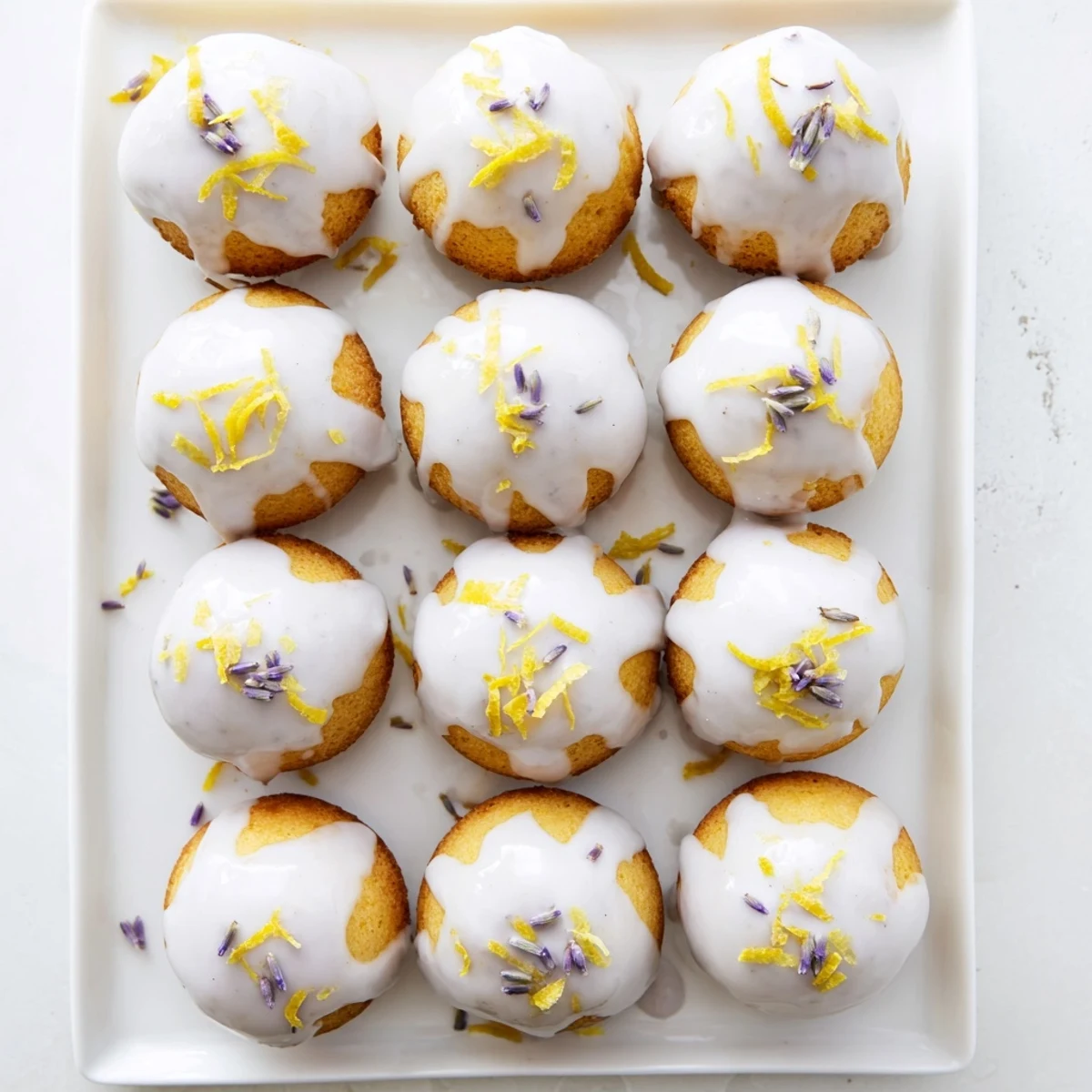
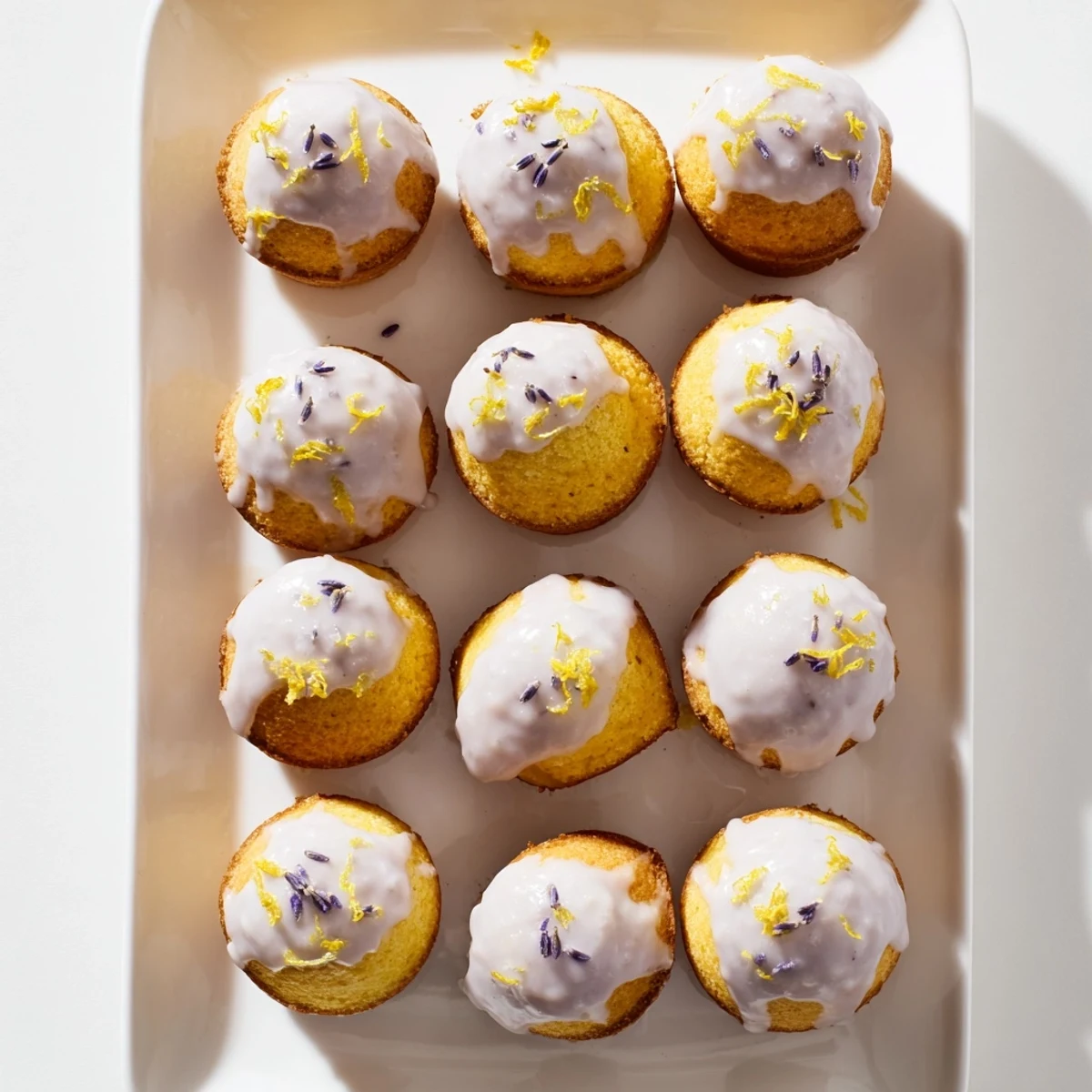
- Drizzle that lovely lavender glaze over cooled cakes and add zest or buds if you like
 Pin This
 These little cakes have become my go-to for bringing to new neighbors or coworkers who need a pick-me-up. There's something about handing someone a box of individually glazed cakes that feels more personal than a whole cake. Last month I brought them to a book club meeting and spent more time discussing the lavender glaze than the actual novel.
Making Them Ahead
The cakes themselves freeze beautifully, wrapped well and frozen for up to a month. Just thaw them overnight and glaze the morning you want to serve them. I've learned the hard way that glazed cakes don't freeze well, the condensation makes the glaze weep and lose that smooth finish.
Getting That Perfect Glaze Consistency
The glaze should pour off your whisk in a steady ribbon but still leave a coating on the spoon. Too thick and it will clump, too thin and it will run right off the cakes. If it is too thick, add more milk a drop at a time. Too thin, whisk in more powdered sugar.
Serving Suggestions
These shine brightest as part of an afternoon spread, perhaps with some fresh berries and a pot of Earl Grey. I love setting them out on a pretty cake stand or arranging them on a long platter with fresh lavender scattered around. The presentation feels effortless but impressive.
- Consider swapping rose petals for lavender if you want something even more delicate
- A small pinch of lemon zest in the glaze adds a lovely confetti effect
- These are best enjoyed the same day they are glazed, though unfrosted cakes keep well for days
 Pin This
 There is something so satisfying about pulling these golden little cakes from the oven, the kitchen already smelling of warm lemon. When you finally drizzle that lavender glaze and watch it set, you will understand why this recipe has earned its permanent place in my collection.
Recipe FAQs
- → Can I make these mini cakes ahead of time?
-
Yes, bake the cakes up to 2 days in advance and store in an airtight container. Add the glaze shortly before serving for the freshest appearance and texture.
- → What type of lavender should I use?
-
Use only culinary-grade lavender buds meant for cooking. Garden or ornamental lavender may contain pesticides or have bitter flavors. English lavender varieties work best.
- → Can I substitute the lavender with other flavors?
-
Dried rose petals make a lovely floral alternative. Infuse them in the milk the same way as lavender, or simply omit the floral element for classic glazed lemon cakes.
- → Why is my glaze too thick or thin?
-
Adjust consistency by adding more powdered sugar to thicken or additional milk to thin. The glaze should pour easily but still coat the spoon generously for proper coverage.
- → Can I use regular-size pans instead of mini?
-
The batter works for standard muffins or small loaf pans. Adjust baking time to 22-25 minutes for muffins, checking doneness with a toothpick. The yield will be fewer items.
- → How do I store leftovers?
-
Keep glazed cakes at room temperature for up to 2 days in a cool, dry place. For longer storage, refrigerate in an airtight container for up to 5 days, though the texture may become denser.