
 Pin This
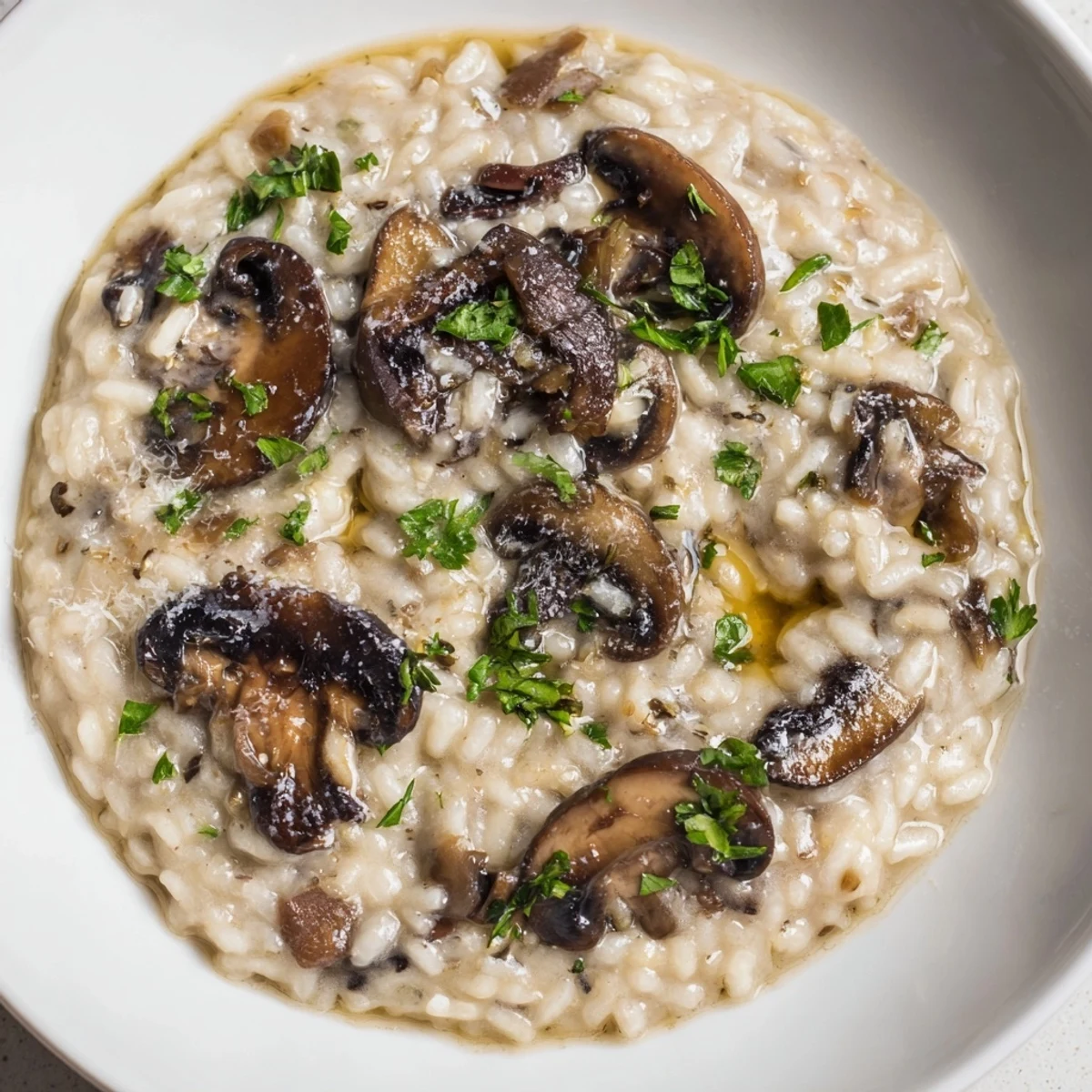
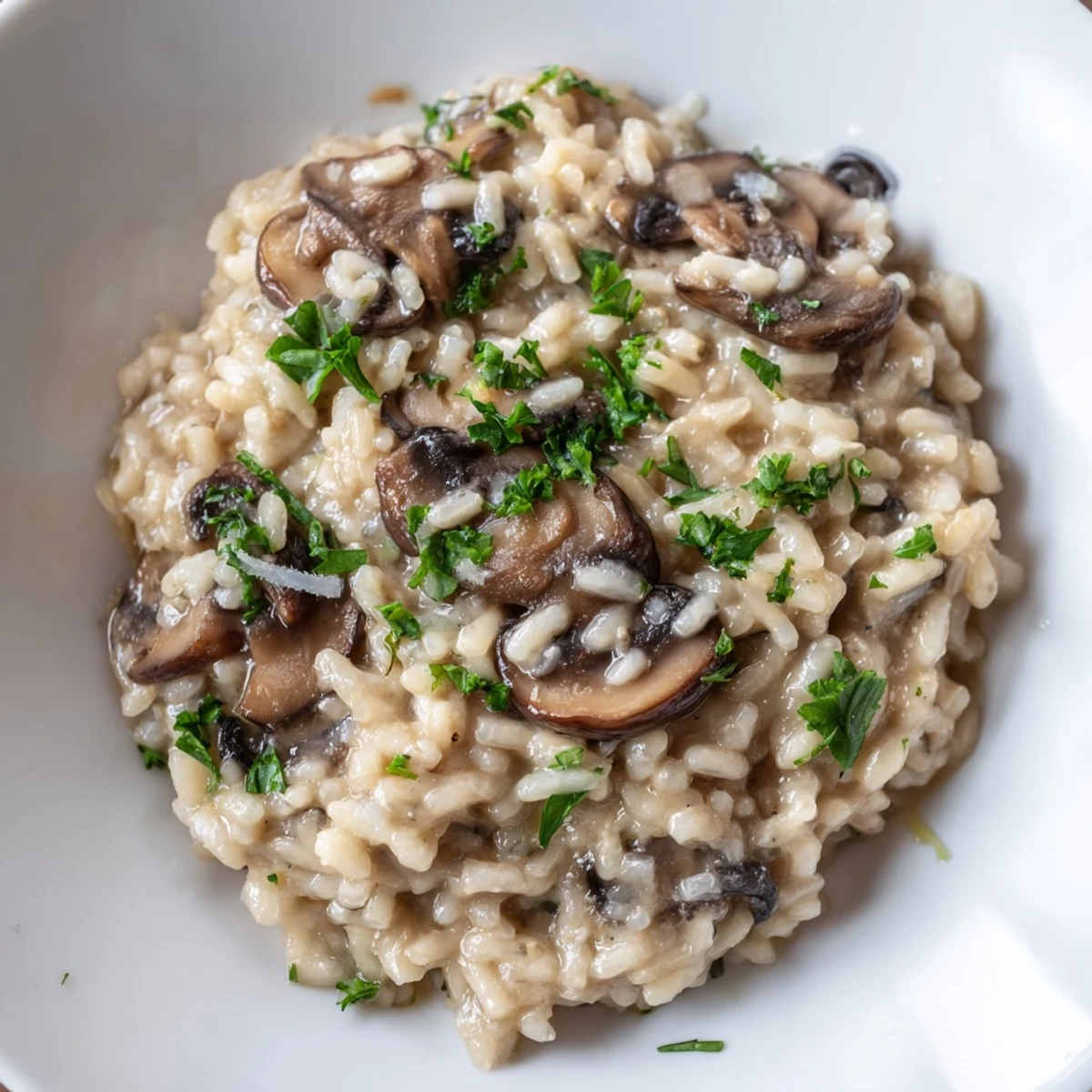
 This luscious Italian dish combines tender arborio rice cooked to a creamy consistency with sautéed mixed mushrooms and finely chopped aromatics. The slow addition of warm vegetable broth infuses each grain with rich flavor, while a splash of dry white wine offers subtle acidity. Finished with butter, Parmesan cheese, and a drizzle of fragrant truffle oil, this risotto delivers a luxurious and comforting texture balanced by earthy and savory notes.
There's a particular Friday evening I can't shake from memory—not because it was special, but because it was the opposite. I was cooking dinner alone, nothing fancy planned, just me and whatever I could pull together. I grabbed a handful of mushrooms from the crisper, some arborio rice, and on impulse, reached for the truffle oil I'd been saving. What emerged from that saucepan was pure magic: creamy, earthy, luxurious in a way that felt almost defiant against the ordinariness of the night.
I made this for a friend who'd had a rough week, and watching her close her eyes after the first bite—just that small gesture—reminded me why cooking matters. She didn't say much, just smiled and asked for seconds. Sometimes the most generous thing you can do is feed someone something that makes them pause.
Ingredients
- Arborio rice (1 ½ cups): This short-grain Italian rice releases starch as it cooks, creating the signature creaminess risotto is known for—don't substitute with long-grain varieties.
- Mixed fresh mushrooms (14 oz): Cremini, shiitake, and button mushrooms each bring different earthiness; the mix creates complexity, and slicing them thick enough to not disappear matters.
- Yellow onion (1 medium, finely chopped): This sweetens as it softens and forms the aromatic base that keeps everything tasting balanced.
- Garlic (2 cloves, minced): Adding it after the onion prevents it from burning and turning bitter—a small timing shift with outsized impact.
- Vegetable broth (5 cups, kept warm): Warm broth integrates faster than cold, and keeping it on its own burner means you're not scrambling mid-stir.
- Dry white wine (¼ cup): The acidity cuts through richness and adds a subtle brightness that you'll taste but won't be able to name.
- Unsalted butter (3 tbsp, divided): You're using 1 tablespoon to sauté and 2 at the finish to emulsify the rice and create that restaurant-smooth texture.
- Freshly grated Parmesan cheese (½ cup): Buy a wedge and grate it yourself; pre-grated versions have anti-caking agents that prevent the cheese from melting smoothly into the rice.
- Truffle oil (2 tbsp): This is your secret weapon—drizzled at the very end, it perfumes the entire dish without cooking off its fragrance.
- Salt and fresh black pepper: Taste constantly and adjust; risotto builds flavor gradually, and you want the seasoning to keep pace.
- Fresh parsley (optional garnish): A handful of bright green adds contrast and freshness that balances the richness of the dish.
Instructions
- Build your aromatics:
- Melt 1 tablespoon of butter in a large saucepan over medium heat and add your finely chopped onion. Let it soften and turn translucent—you'll see it go from sharp white to pale gold over about 3–4 minutes. Add the minced garlic in the final minute; you're looking for just a whisper of fragrance, not browning.
- Brown the mushrooms:
- Add your sliced mushrooms and let them sauté for 5–7 minutes, stirring now and then so they release their moisture and develop golden edges. Season them lightly with salt and pepper as they cook; this draws out their earthiness and prepares them to meld with the rice.
- Toast the rice:
- Stir in your arborio rice and keep stirring for about 2 minutes—you're looking for the grains to turn partially translucent at the edges, which means they're ready to absorb liquid. This step seals the grain's structure slightly and prevents it from turning to mush.
- Add the wine:
- Pour in the dry white wine and stir until it's mostly absorbed; the wine adds acidity and begins the process of releasing the rice's starch. You'll smell the sharp alcohol evaporate, leaving behind subtle flavor.
- Begin the broth additions:
- Add one ladle of warm vegetable broth to the rice and stir gently but frequently. The rice will bubble softly and absorb the liquid over a few minutes—wait until most of it disappears before adding the next ladle. This patient layering is what creates risotto's signature creaminess; skip ahead and you'll end up with mush.
- Keep stirring, keep tasting:
- Continue adding broth one ladle at a time over about 18–20 minutes total, stirring often. After the midpoint, start tasting a few grains; you're aiming for tender rice with just a slight resistance in the center—that's al dente, and it's the difference between risotto and porridge.
- Finish with butter and cheese:
- Once the rice is cooked through but still has that gentle bite, remove the pan from heat. Add the remaining 2 tablespoons of butter and the freshly grated Parmesan, then stir vigorously for about 30 seconds until the mixture becomes creamy and smooth. This technique—called mantecatura—emulsifies the butter and cheese into the rice, creating that luxurious mouthfeel.
- Add truffle oil and season:
- Drizzle the truffle oil over the risotto and gently fold it in with a few strokes of your spoon. Taste a spoonful and adjust the salt and pepper; remember that Parmesan is already salty, so go easy. The truffle oil should perfume every bite without overpowering the delicate mushroom flavors.
- Serve immediately:
- Risotto waits for no one—divide into warm bowls right away and top with a small handful of fresh parsley if you have it. The residual heat keeps the rice creamy as you eat.
 Pin This
 I think about risotto as the dish that teaches you patience without making it feel like a lesson. There's something about stirring and watching the rice gradually transform, grain by grain, that makes you present in a way other cooking doesn't. By the time you're plating it, you've already eaten a small gift of time.
Choosing Your Mushrooms
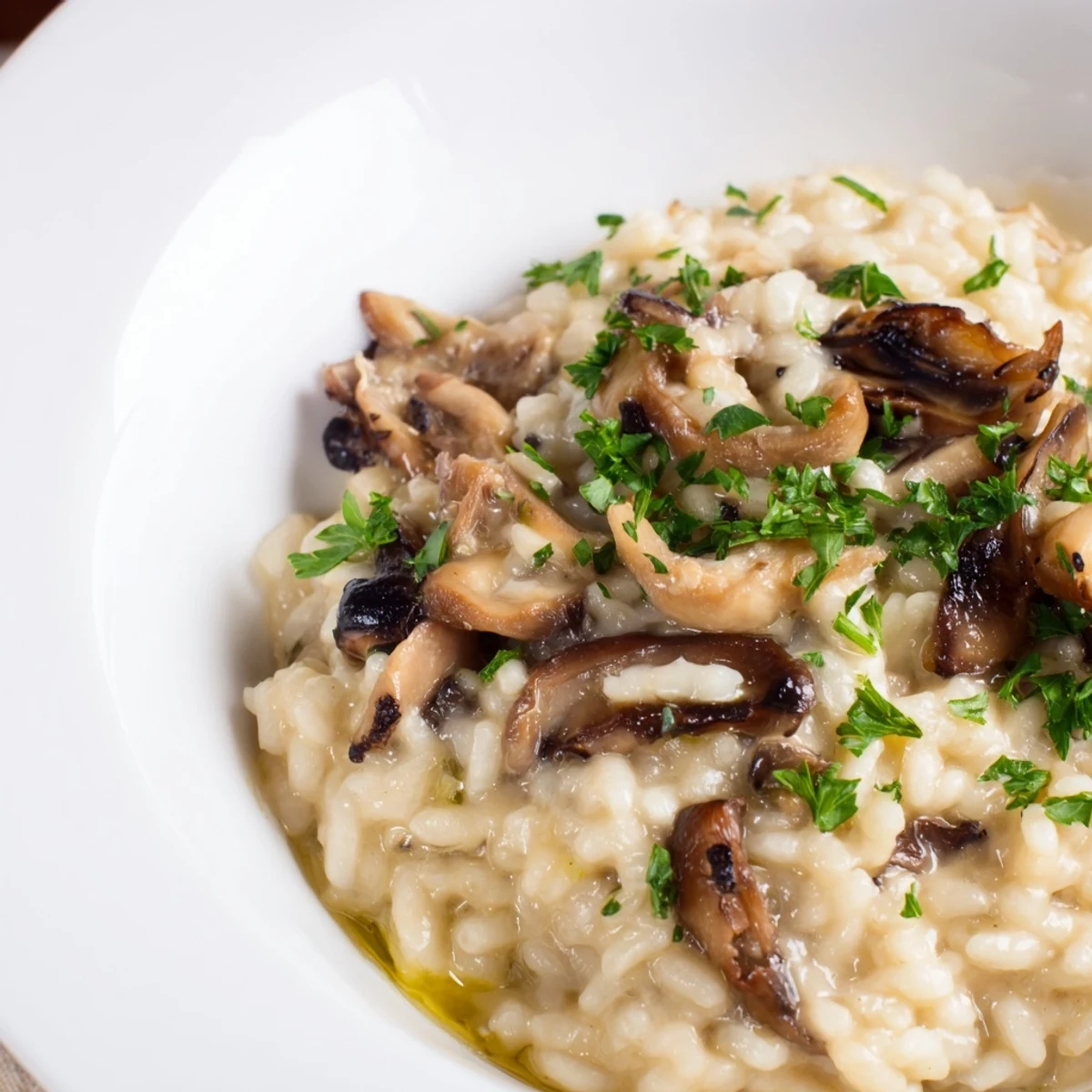
Not all mushrooms taste the same, and risotto is the perfect stage to show off their differences. Cremini mushrooms are nutty and grounded, shiitakes bring a wispy, almost smoky depth, and button mushrooms are mild and absorb other flavors like sponges. I usually grab two or three varieties and slice them fairly thick so they don't disappear into the rice; they should remain distinct, little pockets of umami you discover with each spoonful. The mix matters more than perfection—if your market only has one type today, use it without hesitation and cook it a bit longer to caramelize the edges more deeply.
The Stirring Rhythm
The most common mistake I see is people setting a timer and walking away, or stirring manically like they're in a rush. Risotto wants a steady, gentle rhythm—a slow figure-eight pattern with a wooden spoon works better than aggressive circling, which can break down the rice too fast. You're aiming for the bottom of the pan not to stick and every part of the rice to cook evenly. After about ten minutes, your arm will be ready for a break, but that's exactly when the rice needs you most; embrace the meditative stirring and let your mind wander while your hands stay engaged.
Truffle Oil: The Final Touch
Truffle oil is like perfume—a little goes impossibly far, and adding it to heat destroys its delicate aroma. I learned this the hard way by stirring it in while the risotto was still on the burner and watching the magic evaporate into thin air. The moment you remove the pan from heat is when you drizzle the oil, so it stays on top and scents the dish as you eat rather than cooking off into nothing. Real truffle oil costs more than the knockoff versions, but those two tablespoons transform risotto from simply good into something you'll remember.
- Store truffle oil in a cool, dark cupboard away from heat and light to preserve its fragrance.
- A little goes a long way—you can always add more, but you can't undo too much.
- If you can't find truffle oil, a small shaving of fresh truffle or even a drizzle of good olive oil infused with thyme is a worthy substitute.
 Pin This
 Every bowl of risotto you make teaches you something small about patience, timing, and the pleasure of feeding yourself and others well. Cook it often enough and it stops feeling like a recipe and starts feeling like home.
Recipe FAQs
- → What type of rice is best for this dish?
-
Arborio rice is ideal as its high starch content creates the creamy texture essential to this dish.
- → Can I use different mushroom varieties?
-
Yes, a mix of cremini, shiitake, and button mushrooms adds depth and earthy flavor.
- → When should the truffle oil be added?
-
Drizzle the truffle oil just before serving to preserve its delicate aroma and enhance the dish’s fragrance.
- → How is the creamy consistency achieved?
-
Gradually adding warm vegetable broth while stirring releases starch from the rice, creating a smooth, creamy texture.
- → What wine pairs well with this dish?
-
Crisp, dry white wines like Pinot Grigio or Sauvignon Blanc complement the rich and earthy flavors perfectly.
- → Is this suitable for vegetarians?
-
Yes, it contains no meat and uses vegetable broth, making it vegetarian-friendly.