
 Pin This
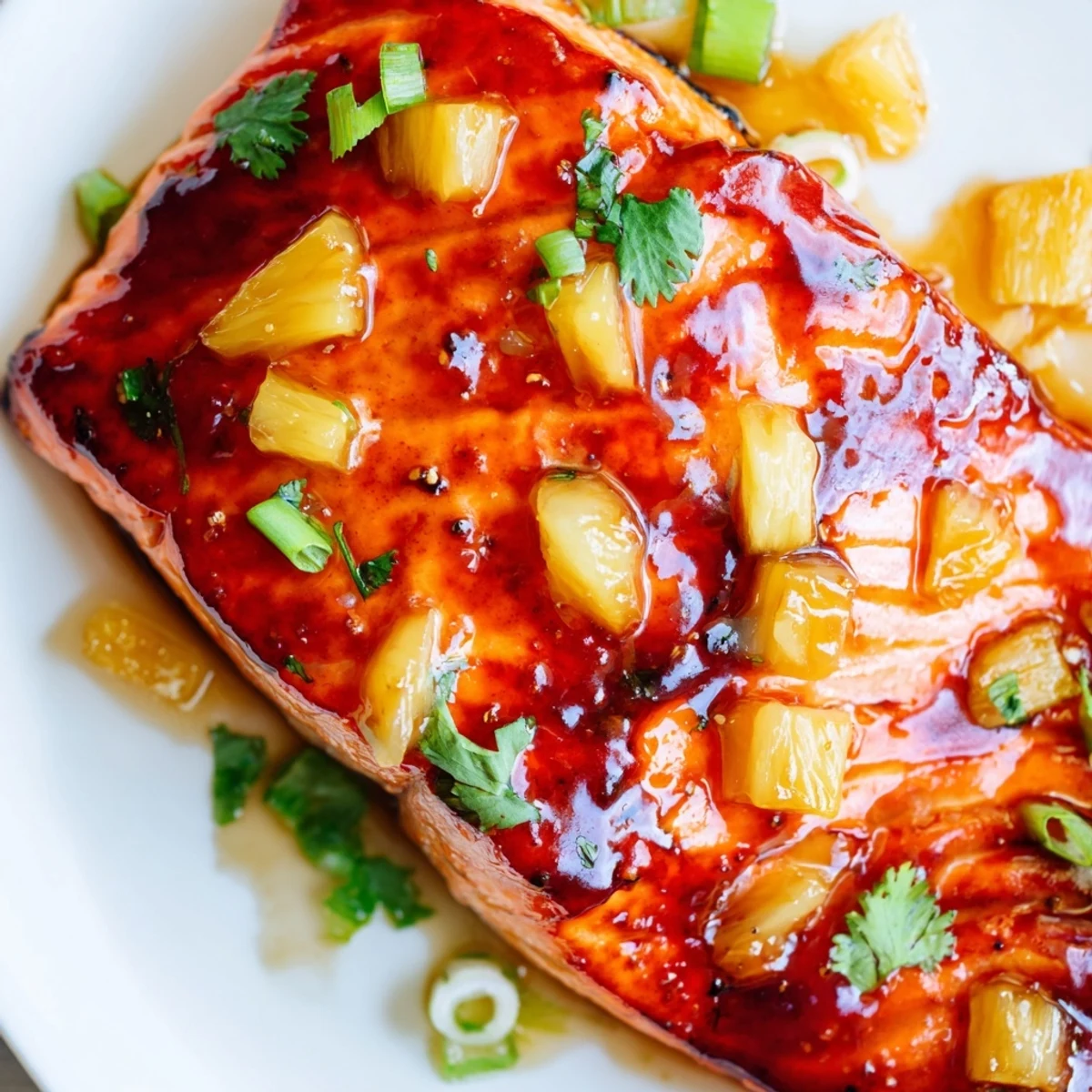
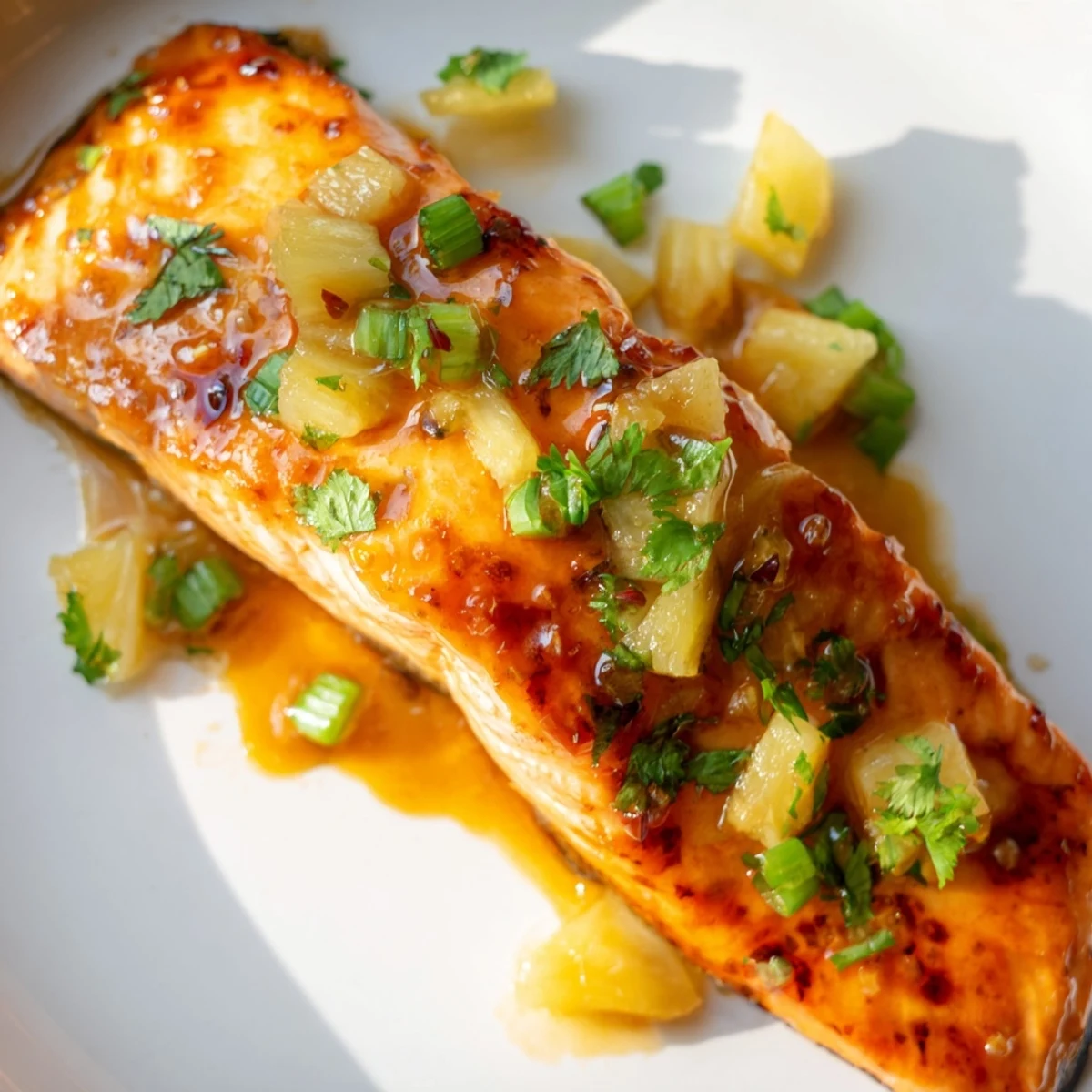
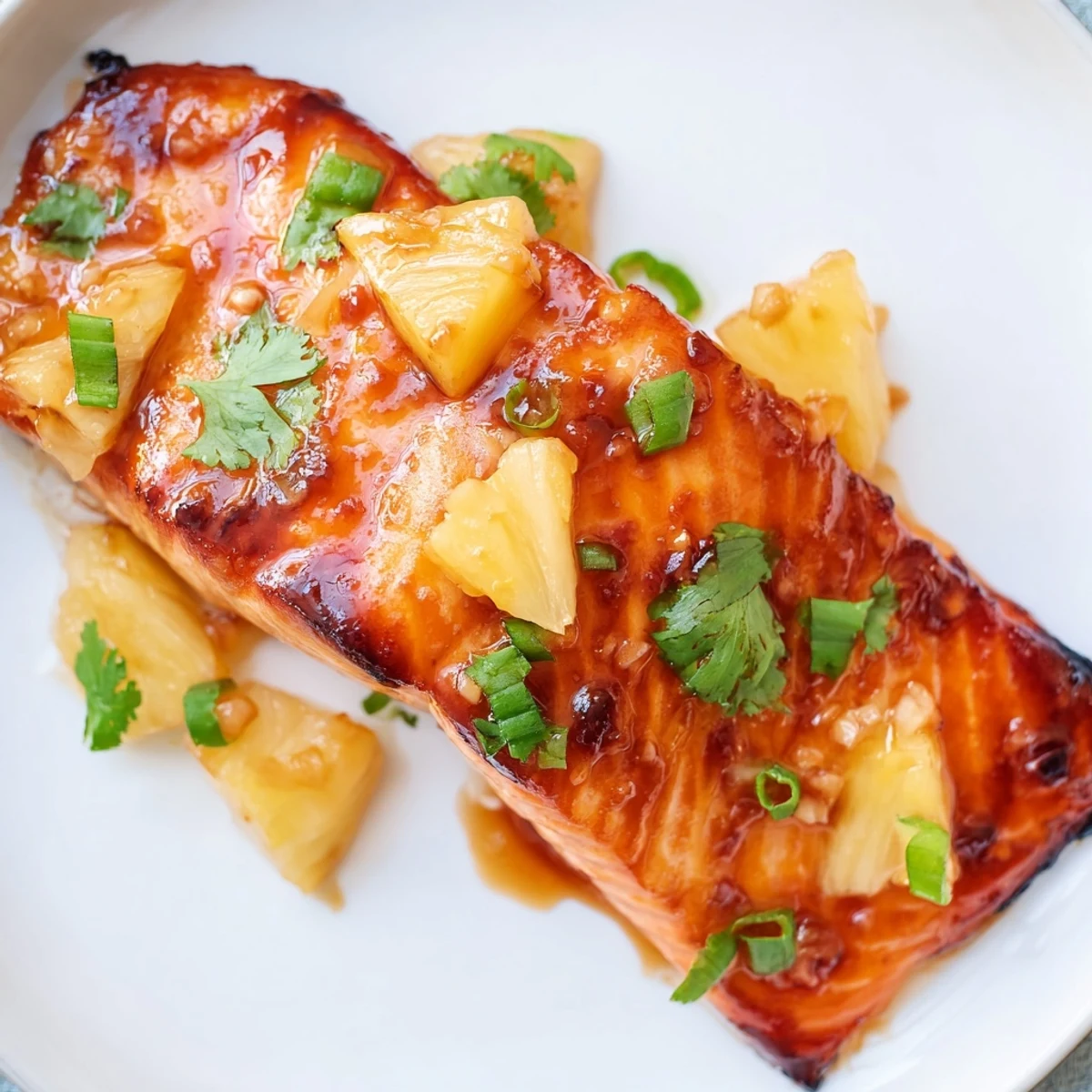
 Experience tender salmon fillets bathed in a vibrant pineapple glaze, combining sweet and tangy flavors. The glaze is crafted from pineapple juice, soy sauce, honey, and fresh aromatics like garlic and ginger, then thickened to a glossy finish. Baked to flaky perfection, these fillets are garnished with fresh herbs and pineapple pieces to enhance the tropical profile. This easy-to-prepare dish offers a harmonious blend of tropical sweetness and savory richness, perfect for a quick yet impressive main course.
The kitchen still smells like pineapple and caramelized soy sauce from the first time I made this glaze. I was experimenting with what seemed like an odd combination, something sweet against the richness of salmon, and my roommate gave me this skeptical look as I measured pineapple juice into a saucepan. By the time we sat down to eat, she was already planning when we could have it again.
Last summer, my sister came over for dinner and watched me brush that glossy glaze onto the salmon as it came out of the oven. She kept leaning over the baking sheet, asking if we could just skip the plates and eat straight from the pan. We ended up eating on the back porch while the sun went down, and she made me write the recipe down on a napkin before she left.
Ingredients
- 4 salmon fillets: Look for pieces that are evenly thick so they cook at the same rate, and dont worry if they have skin, it peels off easily after baking
- 1 tbsp olive oil: This helps the seasoning stick and keeps the fish moist as it bakes
- Salt and black pepper: Be generous here since the glaze is sweet and the fish needs that savory foundation
- 1 cup pineapple juice: Fresh pressed is ideal but canned works perfectly fine, just avoid anything with added sugar
- 2 tbsp soy sauce: Tamari is a great substitute if you need it gluten free, and the flavor difference is minimal
- 2 tbsp honey or maple syrup: Honey gives a more neutral sweetness while maple adds a subtle woodsy note
- 1 tbsp rice vinegar: Apple cider vinegar works in a pinch and adds a slightly fruitier brightness
- 2 cloves garlic: Fresh minced garlic melts into the glaze better than garlic powder ever could
- 1 tsp fresh ginger: Peel it first with a spoon, then grate it directly into the pan to catch all those aromatic juices
- 1 tsp cornstarch: This little bit of thickener transforms the glaze from a thin liquid into something that coats the back of a spoon
- Fresh cilantro, scallions, and diced pineapple: These garnishes make the dish look finished and add pops of fresh flavor against the rich glaze
Instructions
- Preheat your oven and prepare the pan:
- Set your oven to 200°C 400°F and line a baking sheet with parchment paper, which makes cleanup so much easier later.
- Season the salmon:
- Pat each fillet completely dry with paper towels, rub them with olive oil, and season generously with salt and pepper on both sides before arranging them on your prepared baking sheet.
- Start the glaze:
- Combine the pineapple juice, soy sauce, honey, rice vinegar, garlic, and ginger in a small saucepan over medium heat, bringing everything to a gentle simmer.
- Thicken the glaze:
- Whisk in your cornstarch mixture and let it bubble for another minute or two until the glaze coats the back of a spoon, then remove it from the heat.
- Glaze and bake:
- Brush about half of your thickened glaze over the salmon fillets, then bake them for 10 to 12 minutes until the fish flakes easily when pressed with a fork.
- Finish with more glaze:
- Pull the salmon from the oven, brush it with the remaining glaze, and sprinkle with fresh cilantro, scallions, and diced pineapple if you want that extra touch.
 Pin This
 My friend who claims she hates fish asked for seconds when I made this for a small dinner party last month. She kept dipping her fork into the extra glaze on her plate and finally admitted she might have been wrong about salmon all these years.
Making It Ahead
You can make the glaze up to three days in advance and store it in an airtight container in the refrigerator. When you are ready to use it, warm it gently in a small saucepan, adding a splash of water if it has thickened too much overnight.
Choosing The Right Salmon
I have learned that wild salmon has a more assertive flavor that stands up beautifully to the sweet glaze, while farm raised is milder and might benefit from an extra pinch of salt. Either way, look for fillets that are bright in color and smell fresh, not fishy at all.
Serving Suggestions
Coconut rice is my favorite pairing because the subtle sweetness mirrors the pineapple without competing. Roasted broccoli or snow peas add a nice crunch and color contrast that balances the soft texture of the glazed fish.
- Steamed jasmine rice soaks up that extra glaze beautifully
- Cucumber salad with rice vinegar cuts through the richness
- Leftovers make an incredible lunch over mixed greens
 Pin This
 There is something satisfying about a recipe that looks impressive but comes together so quickly on a weeknight. Hope this becomes one of those dinners you turn to when you want something special without the fuss.
Recipe FAQs
- → How do you make the pineapple glaze shiny and thick?
-
The glaze is thickened by adding a cornstarch slurry towards the end of cooking, which gives it a glossy and clingy texture perfect for coating the salmon.
- → Can this dish be prepared gluten-free?
-
Yes, by using tamari in place of regular soy sauce, this dish can easily accommodate a gluten-free diet while maintaining its flavor.
- → What is the recommended cooking method for best texture?
-
Baking the salmon at a high temperature ensures a tender and flaky texture while keeping the glaze moist and flavorful.
- → What alternatives are there to honey in the glaze?
-
Maple syrup can be used as a substitute for honey to keep the glaze sweet and add a slightly different flavor note.
- → How can a spicy note be added to the glaze?
-
Incorporate chili flakes or a dash of sriracha into the glaze mixture for a gentle spicy kick that complements the sweet and tangy flavors.