
 Pin This
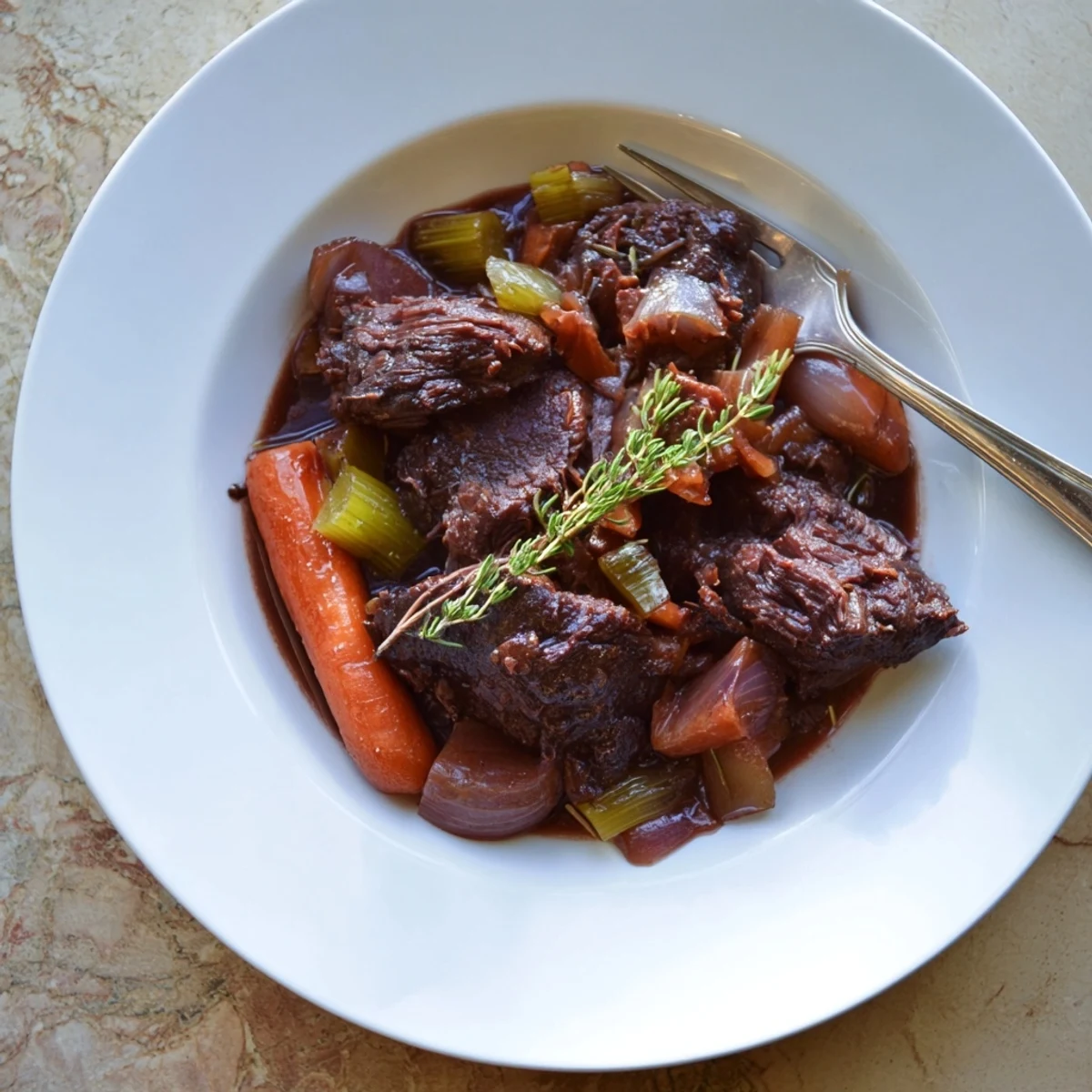
 This succulent beef chuck roast achieves melt-in-your-mouth tenderness through three hours of slow braising in unsweetened red grape juice. The natural fruit sugars create a subtle sweetness that balances beautifully with savory beef, while aromatic vegetables like carrots, celery, and onions build layers of flavor. Fresh rosemary, thyme, and bay leaves add herbal notes that permeate the meat as it cooks.
Perfect for Sunday dinner or special occasions, this dish delivers restaurant-quality results with simple preparation. The braising liquid creates a rich, flavorful sauce that pairs wonderfully with mashed potatoes or egg noodles. Leftovers taste even better the next day as flavors continue to develop.
The smell of rosemary hitting hot olive oil still takes me back to my first apartment kitchen, where I learned that patience matters more than fancy techniques when braising meat.
I served this at a rainy Sunday dinner when friends dropped by unexpectedly, and watched them go quiet after that first bite.
Ingredients
- 3 lbs beef chuck roast: Chuck roast has the perfect marbling for slow cooking, transforming from tough to meltingly tender over three hours
- 2 tsp kosher salt: Season generously before searing, salt penetrates deeper when applied to room temperature meat
- 1 tsp freshly ground black pepper: Freshly cracked pepper adds aromatic warmth that pre-ground lacks entirely
- 2 tbsp olive oil: Use a neutral oil with high smoke point for the best sear without burning
- 1 large yellow onion: Yellow onions become sweeter and more mellow as they slowly braise in the liquid
- 3 cloves garlic: Mince it fine so it dissolves into the sauce rather than leaving harsh chunks
- 3 large carrots: Cut them into substantial chunks so they do not disintegrate during hours of cooking
- 2 celery stalks: Celery adds that essential aromatic base note people notice but cannot quite identify
- 2 cups red grape juice: Unsweetened grape juice provides natural sweetness and acidity that mimics red wine beautifully
- 1 cup low-sodium beef broth: Low-sodium broth lets you control the salt level completely
- 2 tbsp tomato paste: Tomato paste concentrates and deepens the sauce while adding subtle richness
- 2 sprigs fresh rosemary: Fresh rosemary holds up better in long cooking than dried
- 3 sprigs fresh thyme: Thyme becomes earthier and more complex as it braises
- 2 bay leaves: Bay leaves release their subtle floral notes slowly into the liquid
Instructions
- Preheat and Season:
- Heat your oven to 325°F and pat the roast completely dry with paper towels before seasoning thoroughly with salt and pepper on all sides
- Sear the Beef:
- Heat olive oil in your Dutch oven until shimmering, then sear the roast for 3 to 4 minutes per side until it develops a deep brown crust
- Build the Base:
- Sauté onions, carrots, and celery for 5 minutes until softened, then add garlic for just 1 minute until fragrant
- Add the Tomato Paste:
- Stir in the tomato paste and let it cook for 1 minute until it darkens slightly and smells sweet and intense
- Deglaze and Assemble:
- Pour in the grape juice and broth while scraping up all the browned bits from the bottom, then return the roast to the pot
- Add Herms and Braise:
- Tuck in rosemary, thyme, and bay leaves, bring everything just to a simmer, then cover tightly and transfer to the oven
- Low and Slow:
- Braise for 3 hours until the beef yields easily when pierced with a fork
- Finish and Serve:
- Discard the bay leaves and herb stems, skim any excess fat from the surface, then slice or shred the meat and serve with the vegetables and juices
 Pin This
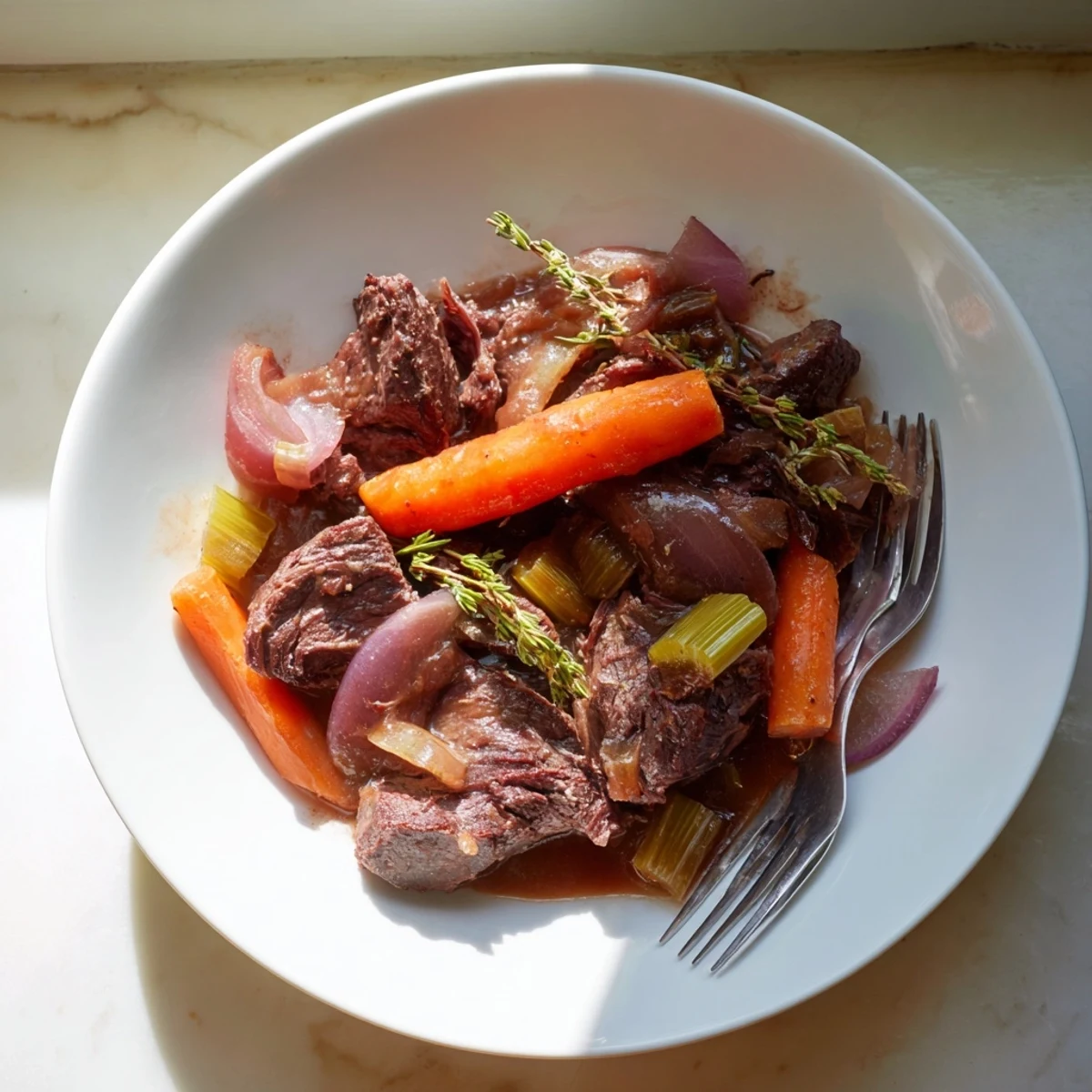
 This recipe became my go-to for feeding a crowd because it only gets better sitting in the fridge overnight.
Choosing the Right Cut
Chuck roast is ideal for braising because it has plenty of connective tissue that breaks down into gelatin during long cooking. Look for a piece with good marbling throughout rather than large fat caps.
Making It Ahead
Braised dishes actually taste better the next day after the flavors have had time to meld. Cool completely before refrigerating, then skim off the solidified fat before reheating gently on the stovetop.
Serving Suggestions
Creamy mashed potatoes are the classic pairing because they soak up that flavorful braising liquid so well. Buttered egg noodles or roasted potatoes work beautifully too.
- Crusty bread for sopping up every last drop of sauce
- A simple green salad with bright vinaigrette cuts through the richness
- Leftovers make incredible sandwiches the next day
 Pin This
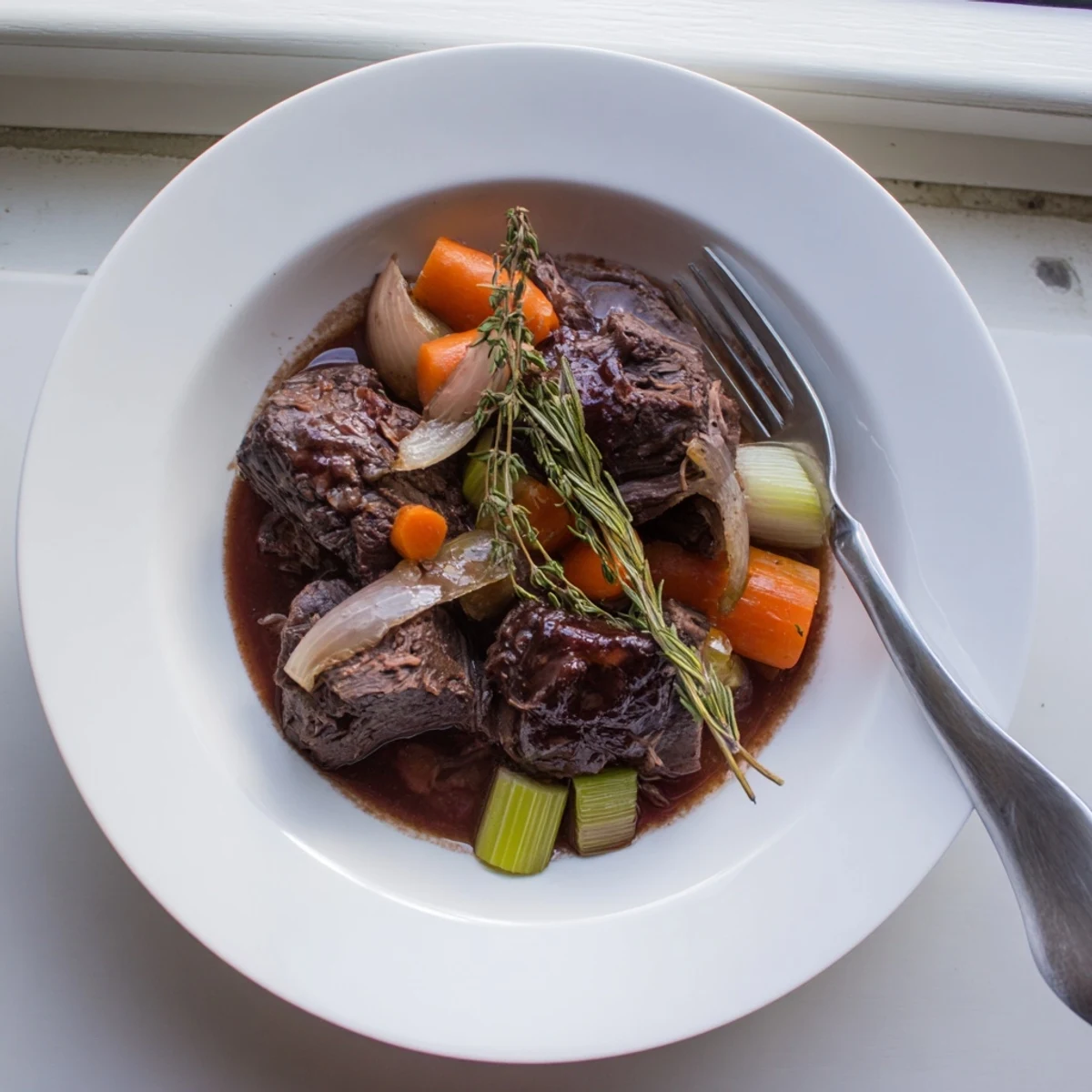
 There is something deeply satisfying about a meal that takes care of itself in the oven while you go about your day.
Recipe FAQs
- → Why use red grape juice for braising beef?
-
Red grape juice provides natural fruit sugars that caramelize during slow cooking, creating depth and subtle sweetness. Its acidity helps tenderize tough meat fibers while adding complexity that complements beef's rich flavor profile.
- → How do I know when the chuck roast is fully cooked?
-
The beef is done when it yields easily to a fork with minimal pressure. You should be able to shred or slice it effortlessly. This typically takes about 3 hours at 325°F, but start checking at 2.5 hours as ovens vary.
- → Can I make this in a slow cooker instead?
-
Absolutely. Sear the beef first in a skillet, then transfer everything to your slow cooker. Cook on low for 8-10 hours or high for 4-5 hours until fork-tender. You may need to reduce the liquid slightly before serving.
- → What sides pair best with this braised beef?
-
Creamy mashed potatoes soak up the flavorful juices beautifully. Buttered egg noodles, roasted baby potatoes, or crusty bread also work well. Steamed green beans or roasted Brussels sprouts add color and balance to the plate.
- → Can I freeze the leftovers?
-
Yes, this freezes exceptionally well. Cool completely, then store in airtight containers or freezer bags for up to 3 months. Thaw overnight in the refrigerator and reheat gently on the stovetop with a splash of beef broth.
- → What cut of beef works best for this preparation?
-
Chuck roast is ideal due to its marbling and connective tissue that breaks down during braising. Alternatively, try beef brisket, short ribs, or round roast. Look for well-marbled cuts with some fat for the most tender results.