
 Pin This
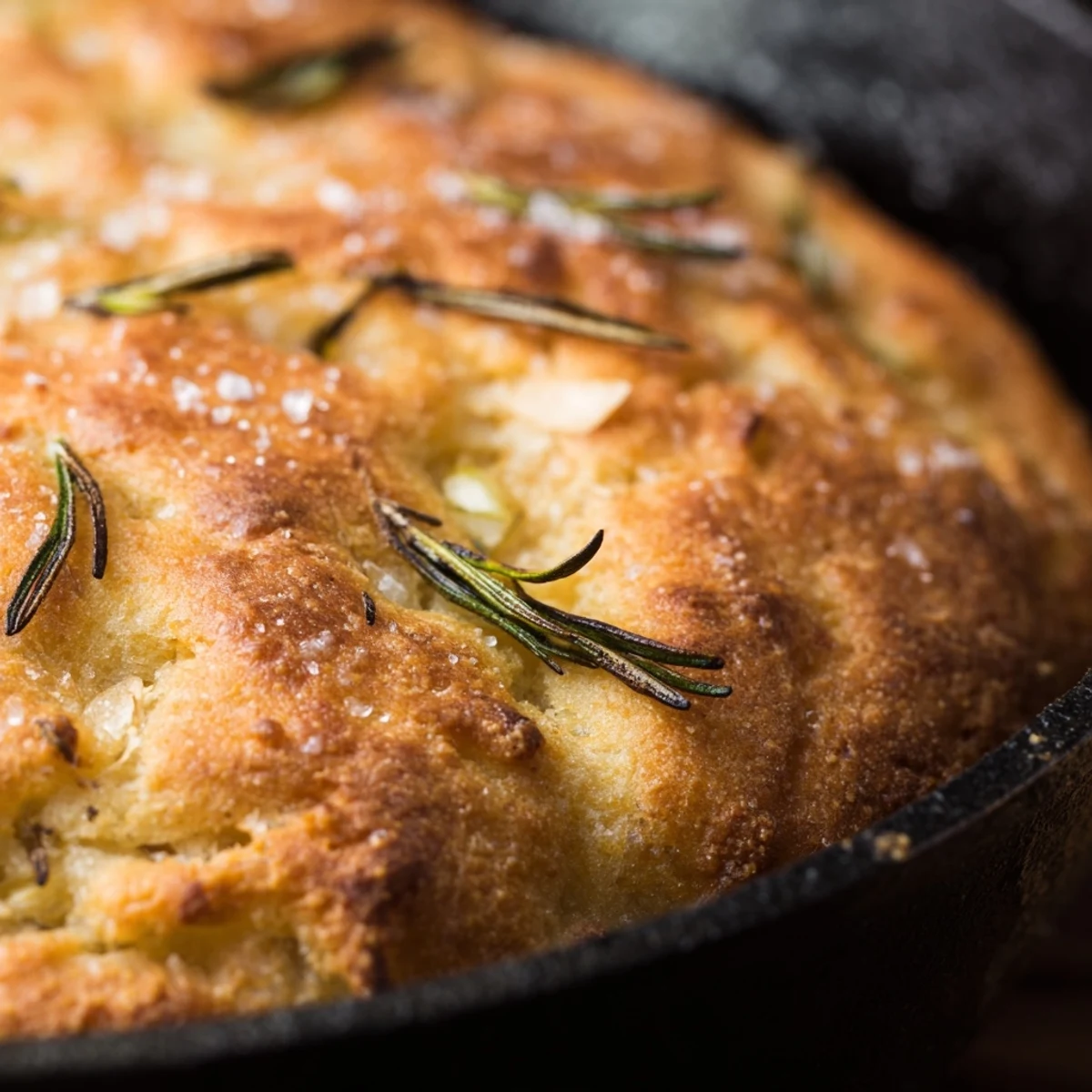
 This rustic skillet bread delivers an irresistible combination of crisp, golden edges and a tender, chewy interior. The dough comes together with simple pantry staples—bread flour, yeast, and olive oil—while roasted garlic and fresh rosemary infuse every bite with aromatic depth. After rising, the bakes in a cast-iron skillet, creating that signature crunchy crust. Perfect warm from the oven with a drizzle of olive oil or alongside soups and stews.
Last winter, when my kitchen felt too quiet and the afternoon light slanted through the window just right, I found myself craving something warm and bread-like but not fussy. This skillet bread came out of that lazy afternoon impulse, and the smell of rosemary hitting hot olive oil has become one of my favorite kitchen moments since then.
I made this for a dinner party once when I completely forgot to buy bread for the soup course, and everyone actually preferred this impromptu skillet creation to anything I could have picked up at the bakery. The garlic perfume fills the whole house, and people always ask what that incredible smell is before they even walk through the door.
Ingredients
- Bread flour: The higher protein content creates that satisfying chew and structure, while giving you those beautiful air pockets inside
- Active dry yeast: Gives you reliable rise every time, and the warm water wake-up call ensures its ready to work
- Fresh rosemary: Woody and fragrant, this herb holds up beautifully to baking and infuses every bite with Mediterranean warmth
- Garlic: Mincing it raw means it mellows into the dough as it bakes, becoming sweet and savory rather than sharp
- Flaky sea salt: Those crunchy salt crystals on top are what transform this from simple bread into something special
Instructions
- Wake up the yeast:
- Whisk warm water with yeast in a large bowl and watch it foam, which tells you the yeast is alive and ready to make magic happen
- Build the foundation:
- Add flour and salt to the yeast mixture, mixing until you have a shaggy, slightly sticky dough that holds together when squeezed
- Knead with intention:
- Work the dough by hand or stand mixer for 5 to 7 minutes until it transforms from rough to smooth and elastic
- Infuse with flavor:
- Drizzle in olive oil, chopped rosemary, and minced garlic, then knead just until the aromatics are evenly distributed throughout
- Let it rise:
- Place dough in a greased bowl, cover with a damp towel, and find it a warm corner where it can rest and double in size for about an hour
- Prepare its home:
- Coat your 10-inch oven-safe skillet generously with olive oil while the oven heats to 425 degrees
- Shape and rest again:
- Punch down the risen dough and press it gently into your prepared skillet, letting it rise once more for 25 to 30 minutes
- Finish and bake:
- Brush the top with remaining olive oil, scatter flaky salt across the surface, and bake until golden and fragrant, about 30 to 35 minutes
 Pin This
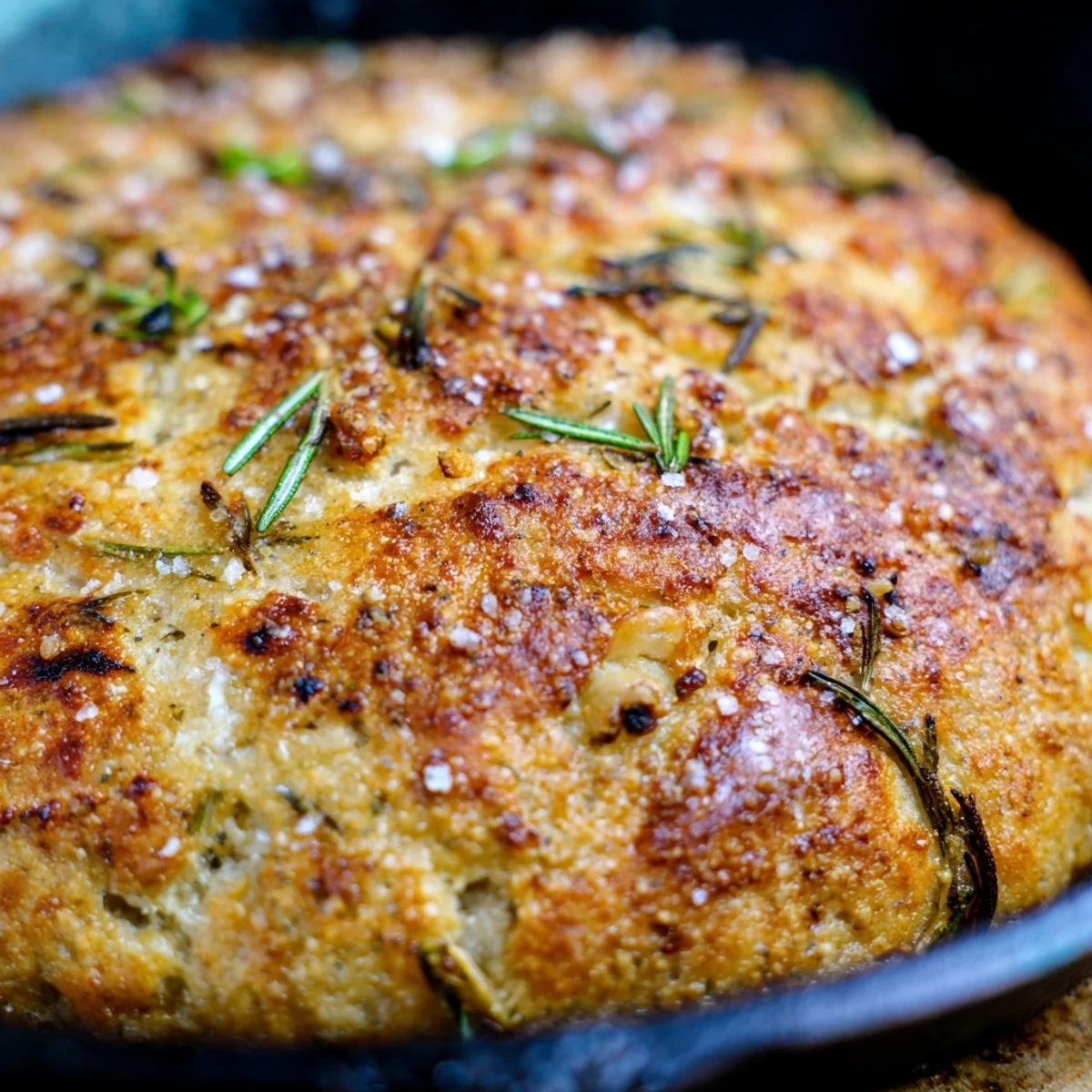
 This bread has become my go-to for those nights when company is coming and I want something homemade but not stressful. There is something so satisfying about placing a steaming skillet of bread on the table and watching everyone reach for a piece.
Making It Your Own
Sometimes I will add caramelized onions or sun-dried tomatoes to the dough, depending on what is in my fridge. The basic formula is so forgiving that it welcomes all sorts of additions without complaint.
Serving Ideas
This bread disappears fastest when torn straight from the skillet and passed around the table. It is perfect alongside hearty soups, or simply with a small dish of good olive oil for dipping.
Storage and Reheating
The bread keeps remarkably well wrapped in a kitchen towel for a day, though the crust softens slightly. To revive that crisp exterior, warm slices in a dry skillet for a minute or two.
- Leftovers make excellent breadcrumbs when toasted and processed
- Freeze individual slices wrapped tightly for up to a month
- The dough can be prepared ahead and stored in the refrigerator overnight
 Pin This
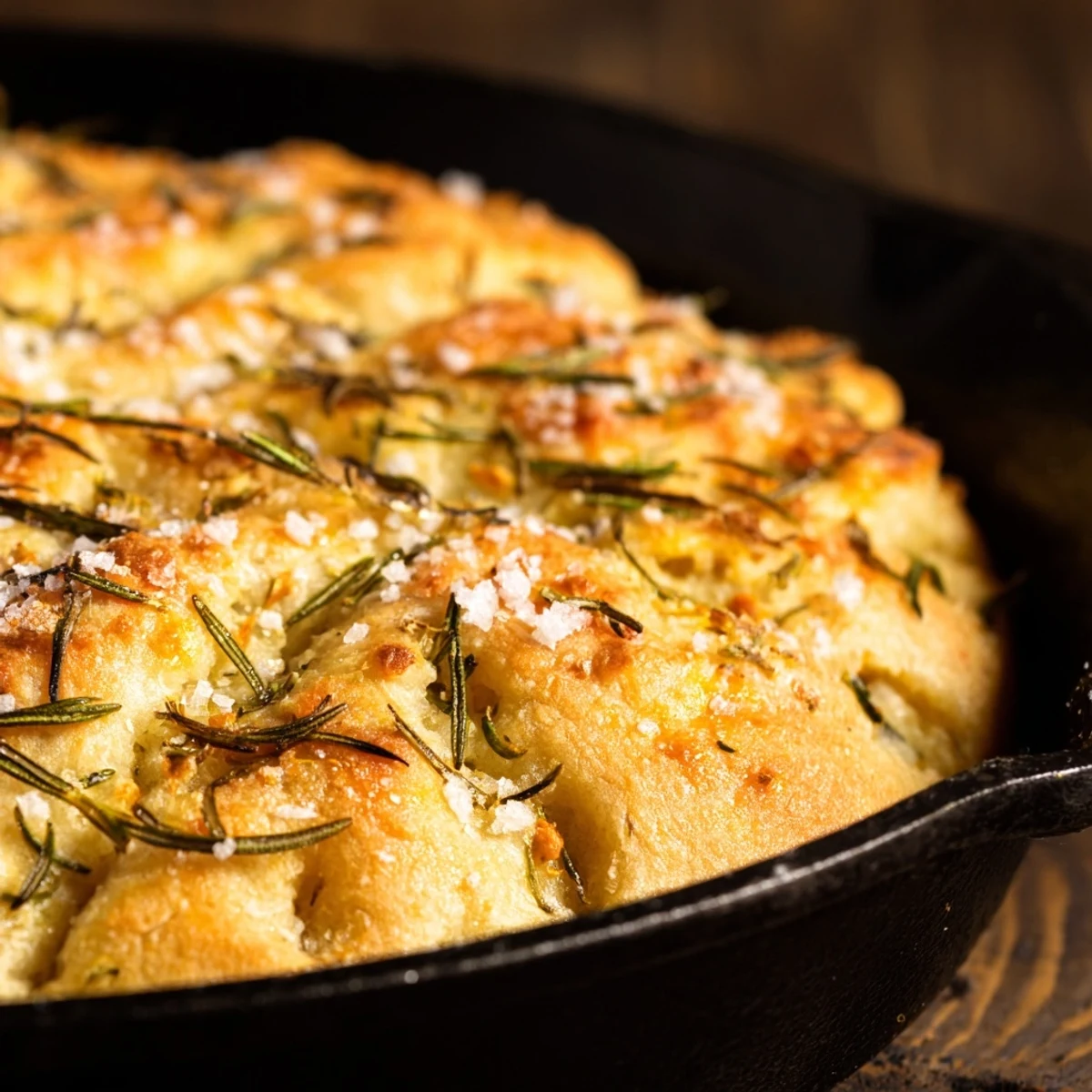
 There is nothing quite like the sound of tearing into warm bread while it is still steaming from the oven, especially when rosemary and garlic are involved. This skillet bread has a way of making any meal feel like a gathering worth remembering.
Recipe FAQs
- → What type of skillet works best?
-
A 10-inch cast-iron skillet is ideal because it distributes heat evenly and creates a beautifully crispy crust. Any oven-safe skillet of similar size will work, though cast iron yields the best results.
- → Can I use dried rosemary instead of fresh?
-
Fresh rosemary provides superior flavor and aroma, but you can substitute 1 teaspoon of dried rosemary if needed. Rehydrate it slightly in warm water before adding to the dough.
- → How do I know when the bread is done?
-
The bread is ready when the top is deep golden brown and the internal temperature reaches 200°F (93°C). You can also tap the bottom—it should sound hollow when fully cooked.
- → Can I make this ahead of time?
-
The dough can be prepared and refrigerated after the first rise for up to 24 hours. Let it come to room temperature before shaping and baking. Finished bread keeps well for 2 days wrapped in foil.
- → What herbs can substitute for rosemary?
-
Thyme, sage, or oregano work beautifully as alternatives. Each herb offers a distinct flavor profile while maintaining the rustic, aromatic character of the bread.
- → Why is my dough too sticky?
-
Stickiness varies with humidity and flour absorption. Add flour one tablespoon at a time until the dough pulls away from the bowl but still feels slightly tacky. Over-flouring can result in dense bread.