
 Pin This
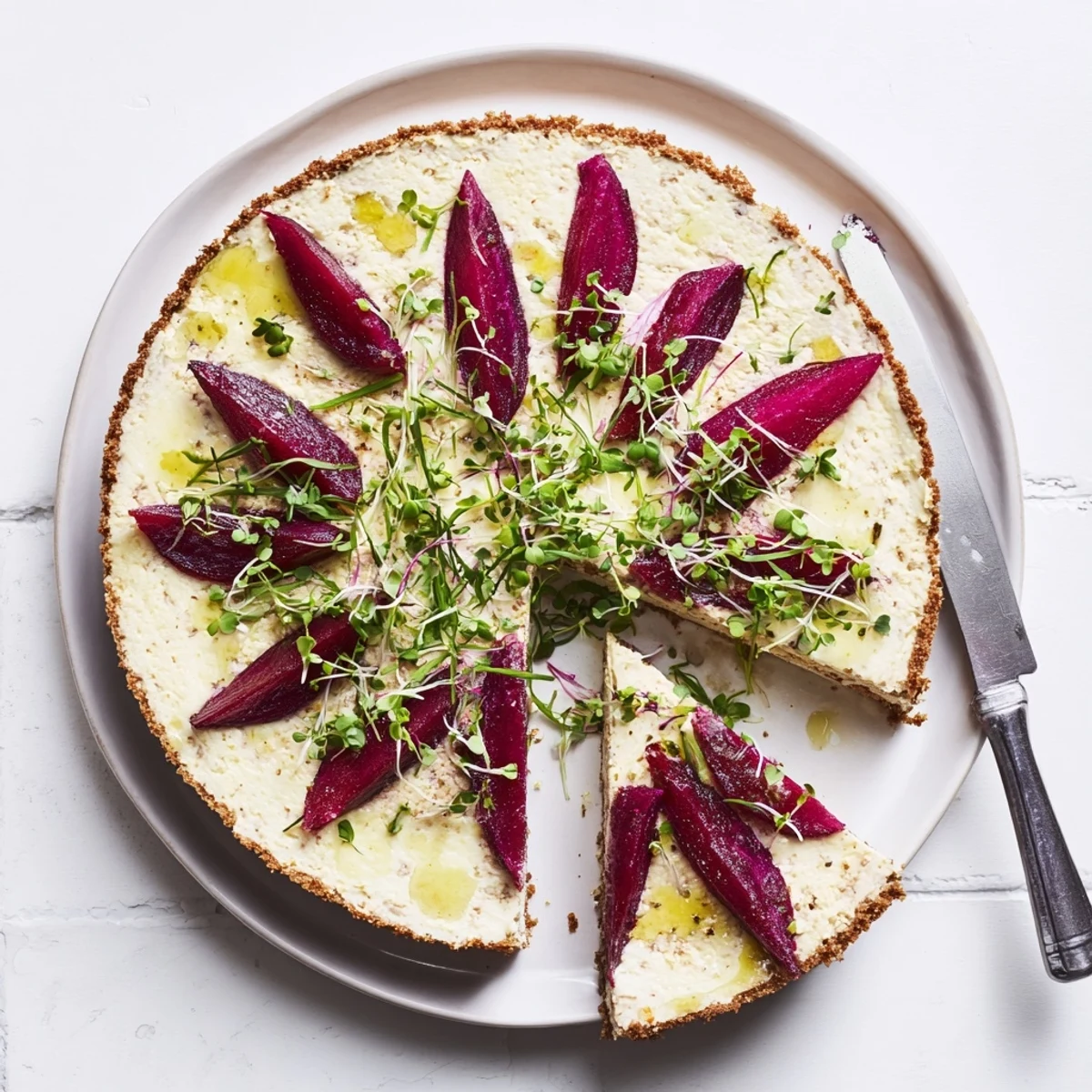
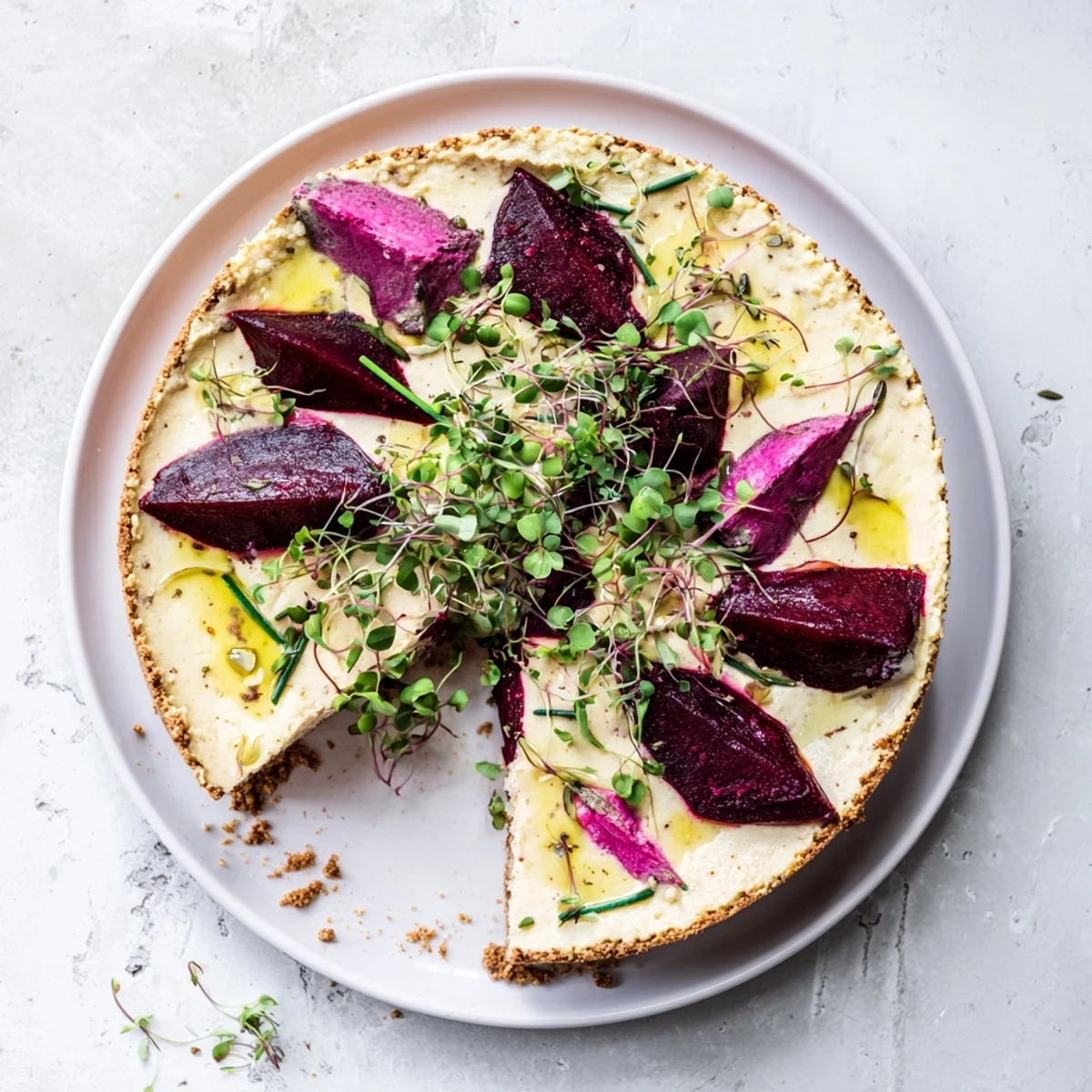
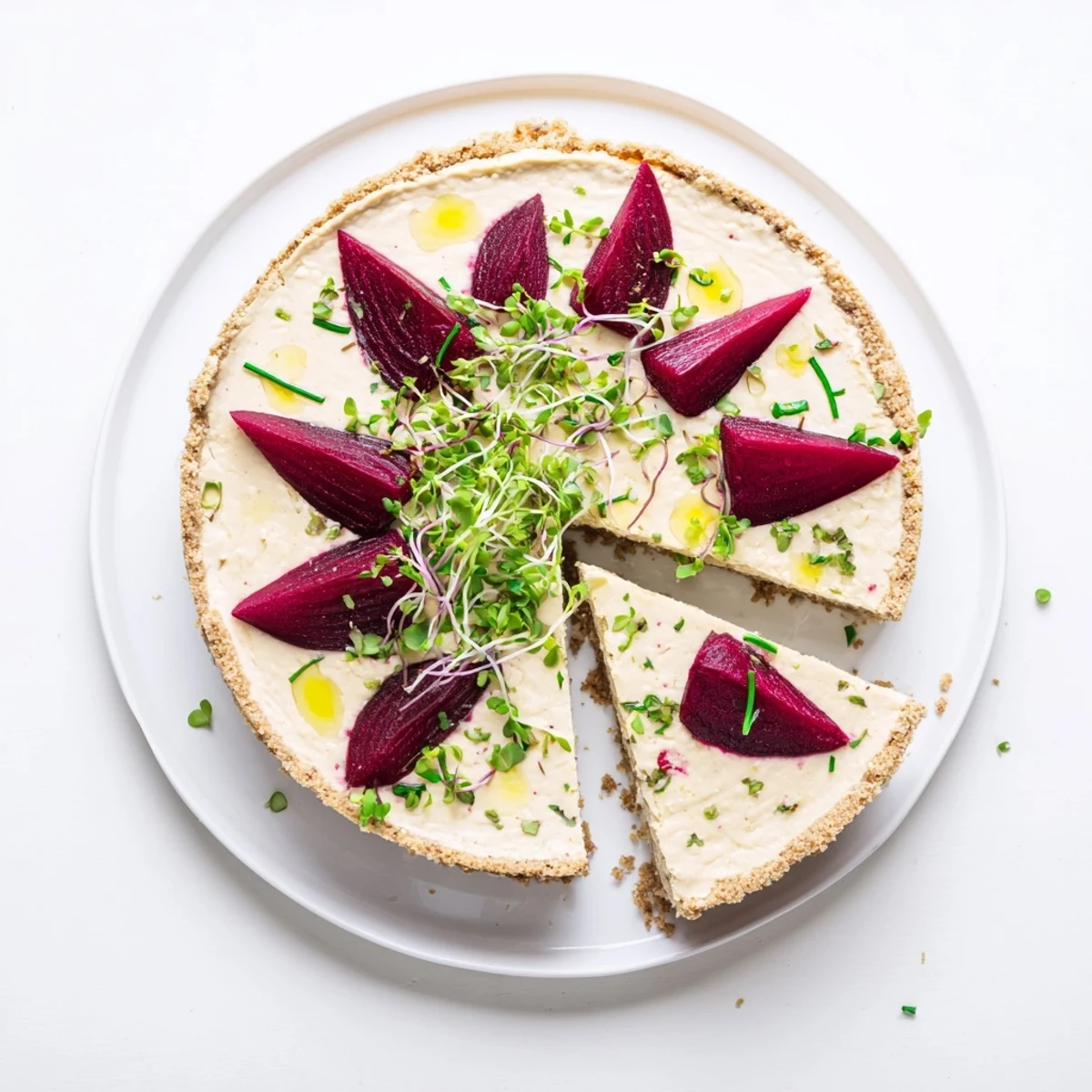
 This elegant savory cheesecake combines the smooth richness of cream cheese, ricotta, and aged cheddar with a buttery wholemeal crumb crust. After baking to velvety perfection, the cheesecake is crowned with jewel-toned roasted beetroot wedges that have been caramelized with balsamic vinegar. Fresh thyme, lemon zest, and chives add bright herbal notes that balance the creamy base. Serve chilled or at room temperature as a sophisticated appetizer that will impress guests, or enjoy as a light vegetarian main course alongside a crisp white wine like Sauvignon Blanc.
The first time I served this at a dinner party, my guests looked genuinely confused when I brought out a cheesecake after the main course. Then someone took a bite and the room went quiet followed immediately by demands for the recipe. That accidental dessert moment taught me that savory cheesecake is one of those dishes that stops conversation in the best possible way.
Last summer I made this for my sisters birthday instead of a regular appetizer spread. She kept sneaking back to the fridge throughout the evening just for small slivers until there was barely enough left for the actual celebration. Now it is her requested dish for every gathering.
Ingredients
- Wholemeal crackers: These give a nutty foundation that holds up beautifully against the creamy filling and the whole grain flavor plays so nicely with the roasted beets
- Unsalted butter: Melt it completely and let it cool slightly before mixing into the crumbs or you will end up with a soggy crust that never quite crisps up
- Cream cheese: Let it sit on the counter for a full hour before you start because cold cream cheese creates tiny lumps that never fully disappear
- Ricotta cheese: This lightens the texture significantly and adds a fresh milky note that cuts through the richer elements
- Aged cheddar or Gruyère: The sharp tang here is what makes people pause and wonder what they are tasting
- Fresh thyme: Woody herbs work infinitely better than delicate ones here since they hold their aromatic punch through the baking process
- Lemon zest: Microplane it directly into the bowl and avoid any white pith or the entire flavor profile shifts toward bitter
- Beetroots: Pick firm ones with smooth skins because any soft spots will only intensify during roasting
- Balsamic vinegar: This concentrates the natural sweetness of the beets while adding that slight acidic edge
- Fresh chives: Snip these right before serving or they wilt into sad little strands that lose all their punch
Instructions
- Get the oven ready and prep your pan:
- Heat your oven to 180°C and line a 20cm springform pan with parchment paper cutting the circle slightly larger than needed so the edges climb up the sides a bit which makes removing the cheesecake so much easier later.
- Build the crust:
- Pulse the crackers in a food processor until they become fine crumbs then pour in the melted butter and salt mixing until everything looks like wet sand. Press the mixture firmly into the bottom of your prepared pan using the back of a spoon or the bottom of a measuring cup to really compact it. Bake for 10 minutes until it smells toasty and let it cool on a wire rack while you make the filling.
- Make the creamy filling:
- Beat the cream cheese and ricotta together until completely smooth then add the grated cheese and mix until fully incorporated. Add the eggs one at a time beating well after each one. Fold in the thyme lemon zest pepper and salt until just combined.
- Bake the cheesecake:
- Pour the filling over your cooled crust and smooth the top with an offset spatula. Bake for 40 to 45 minutes until the center is just set with a slight wobble when you gently shake the pan. Cool completely at room temperature then refrigerate for at least 2 hours though overnight is even better.
- Roast the beetroots:
- Toss the beet wedges with olive oil balsamic vinegar salt and pepper until evenly coated. Spread them on a roasting tray and roast at 200°C for 30 to 35 minutes until tender and caramelized at the edges. Let them cool slightly before topping.
- Assemble and serve:
- Release the cheesecake from the springform pan and arrange the roasted beet wedges on top. Scatter fresh chives and microgreens over the surface then finish with a generous drizzle of extra virgin olive oil. Slice and serve chilled or at room temperature.
 Pin This
 My friend Maria who claims to hate beets took one hesitant bite at a brunch last month and proceeded to eat three slices. Watching someone completely change their mind about an ingredient they have disliked for years is exactly why I love cooking dishes that surprise people.
Make It Your Own
Goat cheese instead of cheddar creates an entirely different experience with this bright tang that cuts through the roasted sweetness even more dramatically. I have also experimented with adding crushed walnuts to the crust for extra texture and earthy flavor.
Pairing Suggestions
A crisp Sauvignon Blanc with its citrus notes complements the creaminess beautifully while a light Pinot Gris brings out the subtle sweetness of the roasted beets. For nonwine drinkers a sparkling water with lemon works surprisingly well to cleanse the palate between bites.
Timing And Storage
This cheesecake actually improves after a day in the fridge as the flavors meld together and the texture becomes even creamier. You can make it up to two days ahead and keep it covered in the refrigerator then just roast the beets and assemble before serving.
- Wrap the cooled cheesecake tightly in plastic wrap if storing longer than 24 hours to prevent it from absorbing other fridge flavors
- The roasted beets can be made a day ahead and kept at room temperature though they are best freshly roasted
- Leftovers will keep for up to four days though the crust may soften slightly over time
 Pin This
 There is something deeply satisfying about serving a dish that looks like dessert but tastes like dinner. The surprise on peoples faces never gets old.
Recipe FAQs
- → Can I make this cheesecake ahead of time?
-
Yes, this actually benefits from being made ahead. The cheesecake needs to chill for at least 2 hours, but preferably overnight. This allows the flavors to develop and the texture to set perfectly. You can roast the beetroot up to 2 days in advance and store them in the refrigerator.
- → What other cheeses work well in the filling?
-
While the cheddar or Gruyère adds wonderful depth, you can experiment with other options. Goat cheese provides a tangier finish, Parmesan adds nuttiness, or try crumbled feta for a Mediterranean twist. Just keep the total cheese quantity the same for proper texture.
- → How do I know when the cheesecake is done baking?
-
The cheesecake is ready when the edges are set but the center still has a slight wobble when gently shaken. It will continue to firm up as it cools. Overbaking can cause cracking, so start checking at the 40-minute mark.
- → Can I use different vegetables instead of beetroot?
-
Absolutely. Roasted butternut squash, caramelized onions, or roasted red peppers make excellent alternatives. Just ensure whatever vegetable you choose is roasted until concentrated and sweet to complement the creamy, savory cheesecake base.
- → How should I store leftovers?
-
Store any leftover cheesecake in an airtight container in the refrigerator for up to 4 days. If possible, store the beetroot separately and add them just before serving to prevent the crust from becoming soggy. The cheesecake also freezes well for up to 2 months.
- → What should I serve with this savory cheesecake?
-
A crisp Sauvignon Blanc or Pinot Gris pairs beautifully. For a complete meal, serve with a simple green salad dressed with light vinaigrette, or accompany with crusty bread and mixed olives for an appetizer spread.