
 Pin This
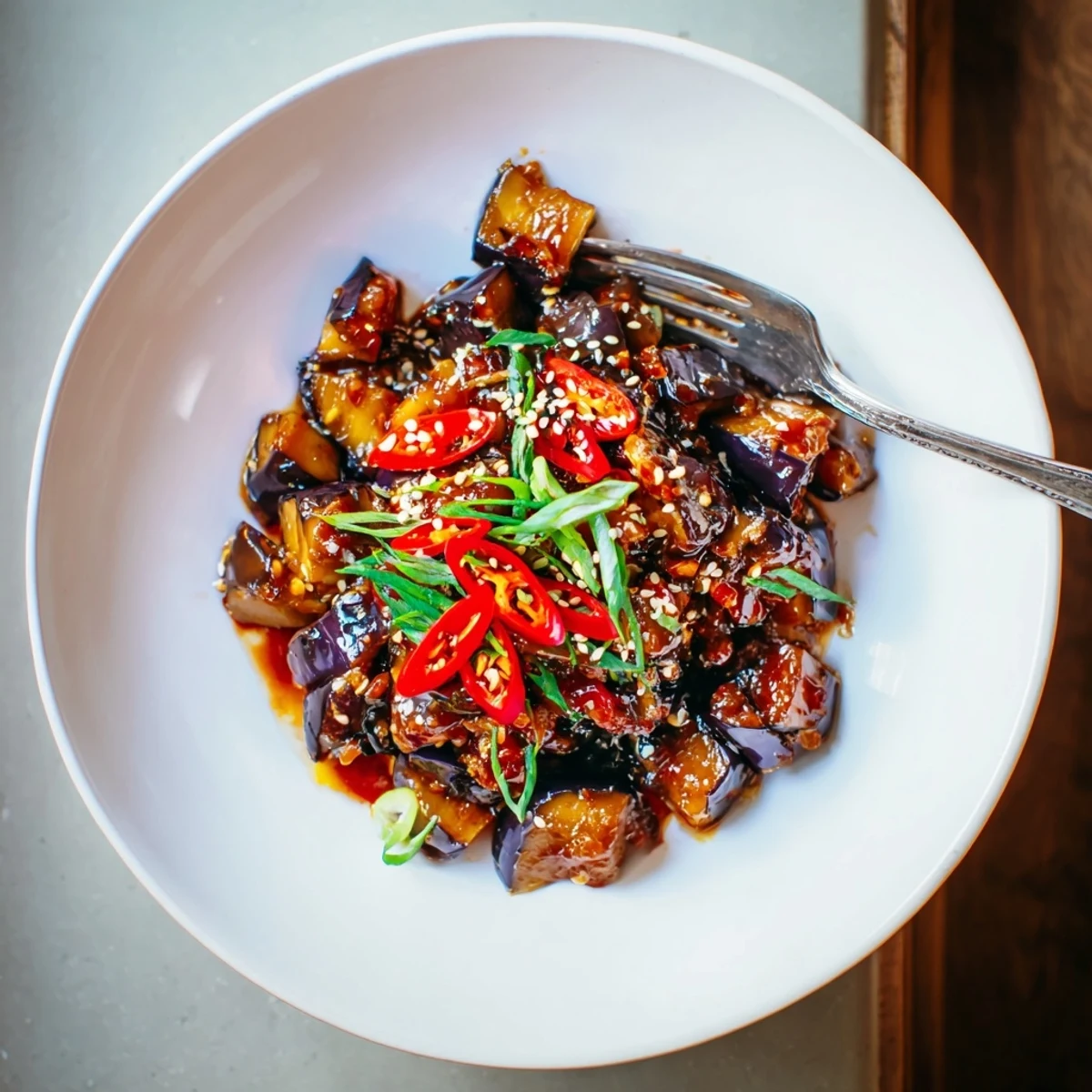
 Start by salting aubergine batons to draw out moisture, then pat dry. Quick-fry in hot oil until golden and tender, leaving a tablespoon of oil for aromatics. Stir-fry ginger, garlic and chili with doubanjiang until the oil turns red and fragrant, return aubergines, add soy, dark soy, vinegar, sugar and stock, then simmer 8–10 minutes. Thicken with a cornstarch slurry, finish with sesame oil and spring onions. Serve with steamed rice or noodles; add Sichuan peppercorns for numbing heat or toasted peanuts for crunch.
The faint sizzle and spicy aroma that filled my kitchen the first time I made Sichuan Style Braised Aubergines still lingers in my mind. There's an instant, delicious chaos when the doubanjiang hits the pan—my glasses once fogged up from the fragrant steam. Mid-week dinners crave excitement, and this dish delivers it effortlessly. Even the chopping gets meditative when there's heat and flavor waiting at the end.
This recipe earned a lifelong spot on my table during a rainy Sunday when friends arrived unannounced, hungry and damp. Watching everyone reach for second helpings, two forks tangled over the last piece of aubergine, convinced me this dish could fix almost any mood.
Ingredients
- Aubergines (Eggplants): These are the canvas—letting them sweat with salt before frying gets you that unbeatable velvety bite with zero bitterness.
- Spring Onions: Add peppery brightness; scatter a few extra on top for a pleasant crunch.
- Garlic: It never fails to summon appetites—mince finely so it flavors the oil without burning.
- Ginger: Little chopped pieces release a citrusy zing that wakes up your sauce.
- Red Chili: Go with or without; a little heat adds dimension, but it's easy to leave out for mild palates.
- Doubanjiang: The soul of the dish; hunt this down at an Asian grocery if you can—the umami depth sets this apart from other stir-fries.
- Soy Sauce & Dark Soy Sauce: I use both for color and richness; dark soy gives that glossy look and a slightly sweet undertone.
- Rice Vinegar: A tiny splash brings balance and cuts through the richness beautifully.
- Sugar: Just enough to round out the salt and spice—don’t be tempted to skip it.
- Vegetable Stock or Water: Stock brings a fuller flavor, but water is a fine stand-in in a pinch.
- Vegetable Oil: Choose a neutral oil for frying; too little oil and your aubergine won’t turn silky.
- Sesame Oil: Drizzle at the end for aroma; too much can overpower but a teaspoon brings it all together.
- Salt: A pinch in the beginning does the work, but taste at the end to adjust.
- Cornstarch: I only learned recently that a good slurry is the secret to a sauce that clings.
- Water (for slurry): Always mix cold—hot water forms lumps you’ll never break up!
Instructions
- Prep the Aubergines:
- Scatter salt over the aubergine batons and let them sweat on a board; after ten minutes, give them a quick rinse and pat them dry until soft and slightly sticky to the touch.
- Sear for Silkiness:
- In a hot wok with shimmering oil, fry the batons in batches, turning them until each piece browns golden and the skin wrinkles with a soft edge.
- Wake Up Aromatics:
- Spoon out excess oil, leaving enough to coat the pan, then tumble in ginger, garlic, and chili—stand back, as the smell gets intense and mouthwatering.
- Build the Base:
- Add doubanjiang and stir until the oil turns a vivid red, scraping up any bits so nothing sticks or burns.
- Simmer and Soften:
- Return the aubergines, then splash in both soy sauces, vinegar, sugar, and stock—stir gently so they don’t break, letting the sauce bubble around them.
- Sauce and Thicken:
- With the heat low, cover and let simmer as the flavors meld; meanwhile, whisk up the cornstarch slurry, then pour in and watch the sauce tighten just right.
- Finish and Serve:
- Turn off the heat, swirl through sesame oil, and scatter fresh spring onions for color—serve immediately while everything is piping hot and glistening.
 Pin This
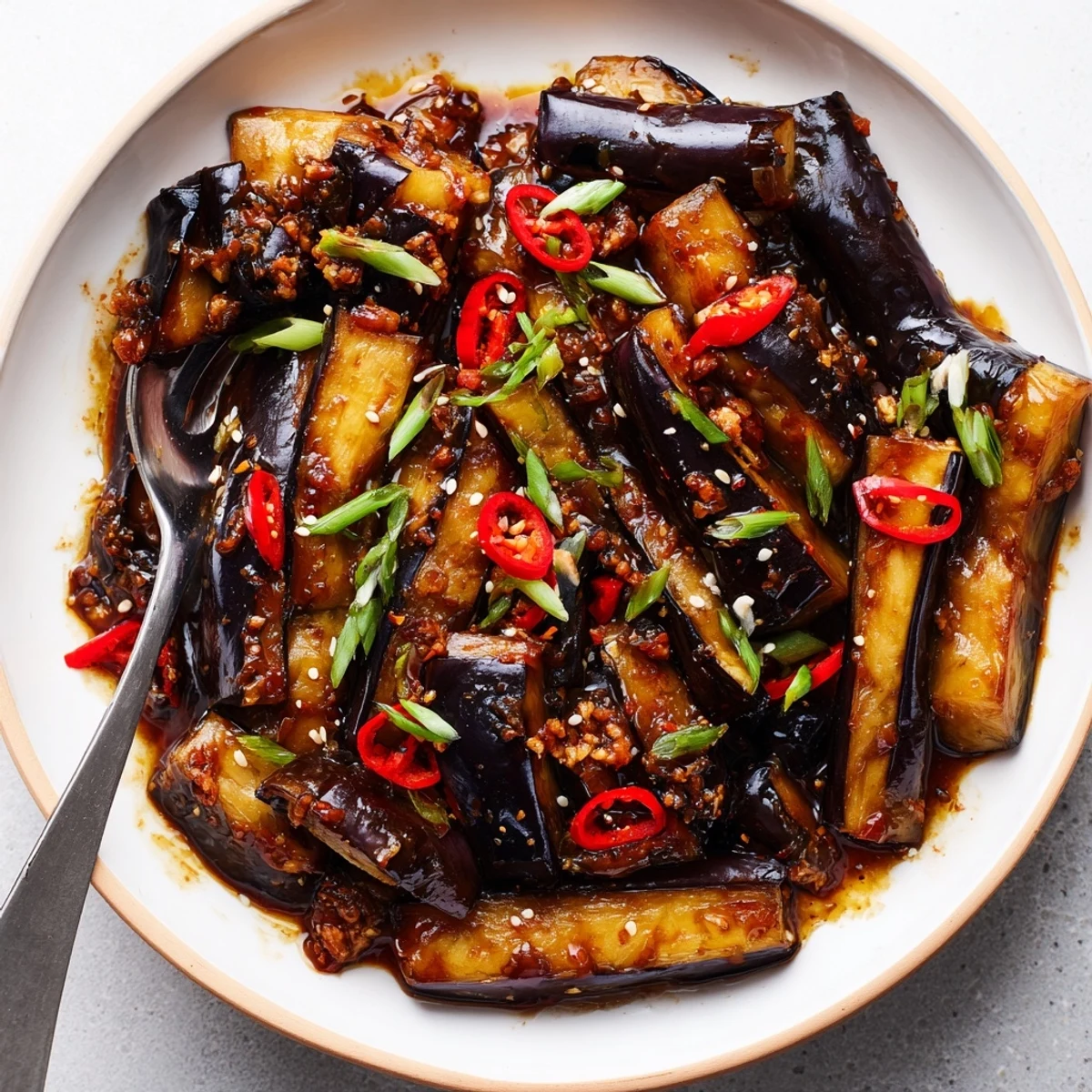
 One evening, after a long day, my housemate peeked in wondering what smelled so dangerously good—sharing the first silky, spicy bite over steamed rice, our conversation stalled as we both paused to savor every mouthful.
If You Can't Find Doubanjiang
While doubanjiang sets the stage with its fermented punch, a mix of chili garlic sauce and an extra dash of soy will do in a pinch—just expect a milder taste. The flavors won’t be quite the same, but the dish still satisfies that craving for something with real character.
How To Get Perfect Texture
Letting the salted aubergine rest is a trick worth your patience—it draws out water for a luscious, custardy texture once fried. Don’t crowd the pan; each baton needs a little elbow room for that golden finish.
Simple Serving Ideas That Work
This saucy aubergine is happiest alongside fluffy white rice or chewy noodles, letting every drop of the rich sauce shine. Sometimes, a last-minute sprinkle of toasted peanuts or a side of cool cucumber salad transforms the whole plate.
- Toss in extra chili flakes if you like it fiery.
- Keep a kettle of steamed rice close by for sopping up the sauce.
- Don’t forget to taste and adjust at the end—flavors grow as the dish cools.
 Pin This
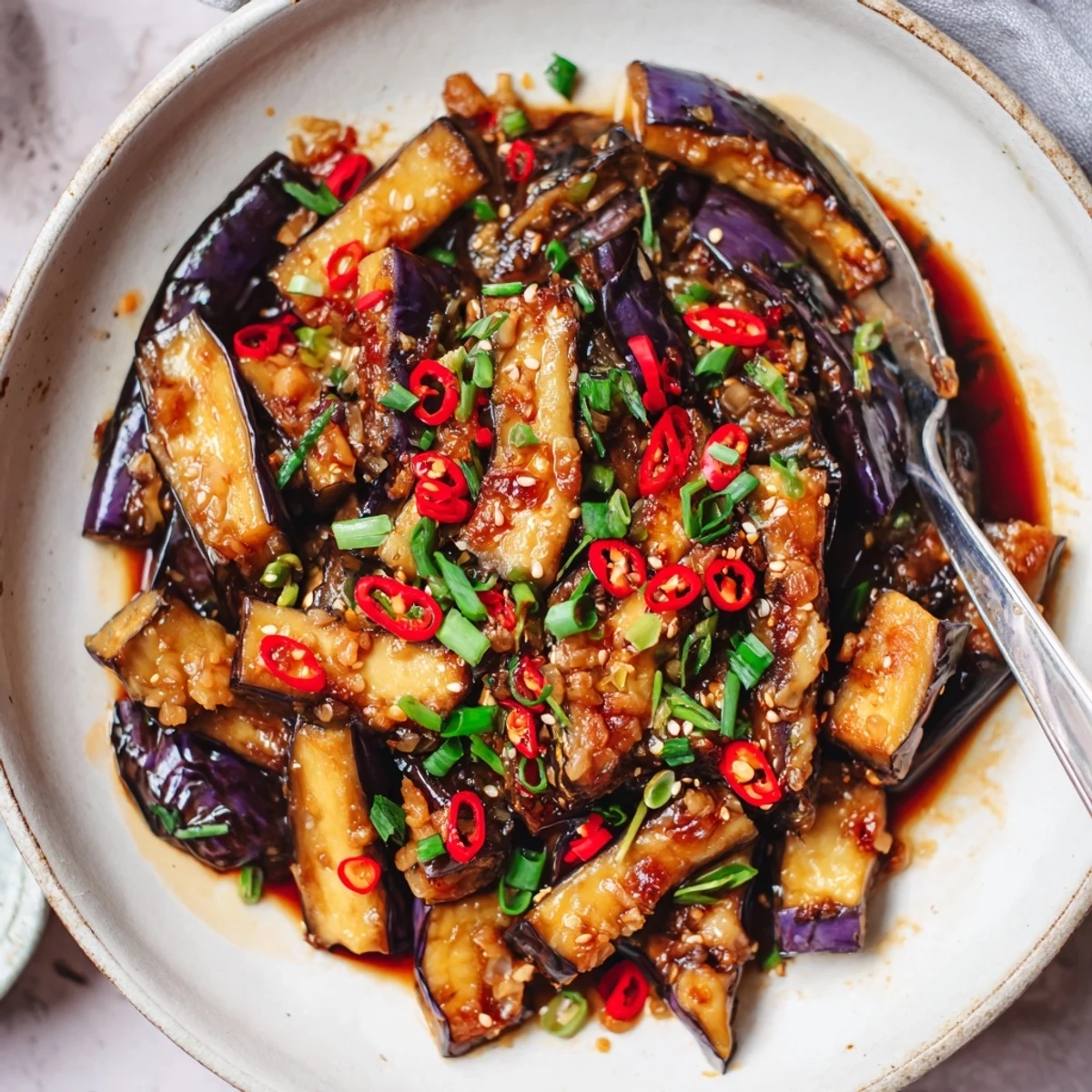
 This dish delivers both comfort and fireworks—the way everyone goes quiet at first bite is a reward in itself. It’s bound to become a weeknight staple (at least, it did in my kitchen).
Recipe FAQs
- → How do I stop aubergine from absorbing too much oil?
-
Lightly salting the cut aubergine draws out moisture so pieces brown rather than soak oil. Pat dry before frying, use a hot pan and fry in batches so the temperature stays high. Alternatively, roast or air-fry the batons for less oil absorption.
- → What can I use if I don't have doubanjiang?
-
Substitute with a mix of chili-garlic sauce and a pinch of fermented bean paste or miso to build umami. Flavor will differ, so adjust soy, vinegar and sugar to balance heat and saltiness.
- → Can this be made gluten-free?
-
Yes—use tamari or a certified gluten-free soy sauce and check the doubanjiang label (some brands contain wheat). Alternatively, use gluten-free chili bean paste and verify all condiments are labeled gluten-free.
- → How can I achieve very tender aubergine without deep-frying?
-
Pan-fry in a small amount of oil over medium-high heat until softened, or roast chunks at high heat until caramelized and tender. Simmering in the sauce after searing will also yield a melt-in-the-mouth texture.
- → How do I add the classic Sichuan 'numbing' sensation?
-
Toast and crush Sichuan peppercorns and add them with the aromatics or sprinkle over at the end. A small amount goes a long way—start light and adjust to taste for that characteristic numbing note.
- → What’s the best way to store and reheat leftovers?
-
Keep in an airtight container in the fridge for 2–3 days. Reheat gently in a skillet over low heat, adding a splash of stock or water to loosen the sauce; briefly reheat the cornstarch-thickened sauce to restore silkiness.