
 Pin This
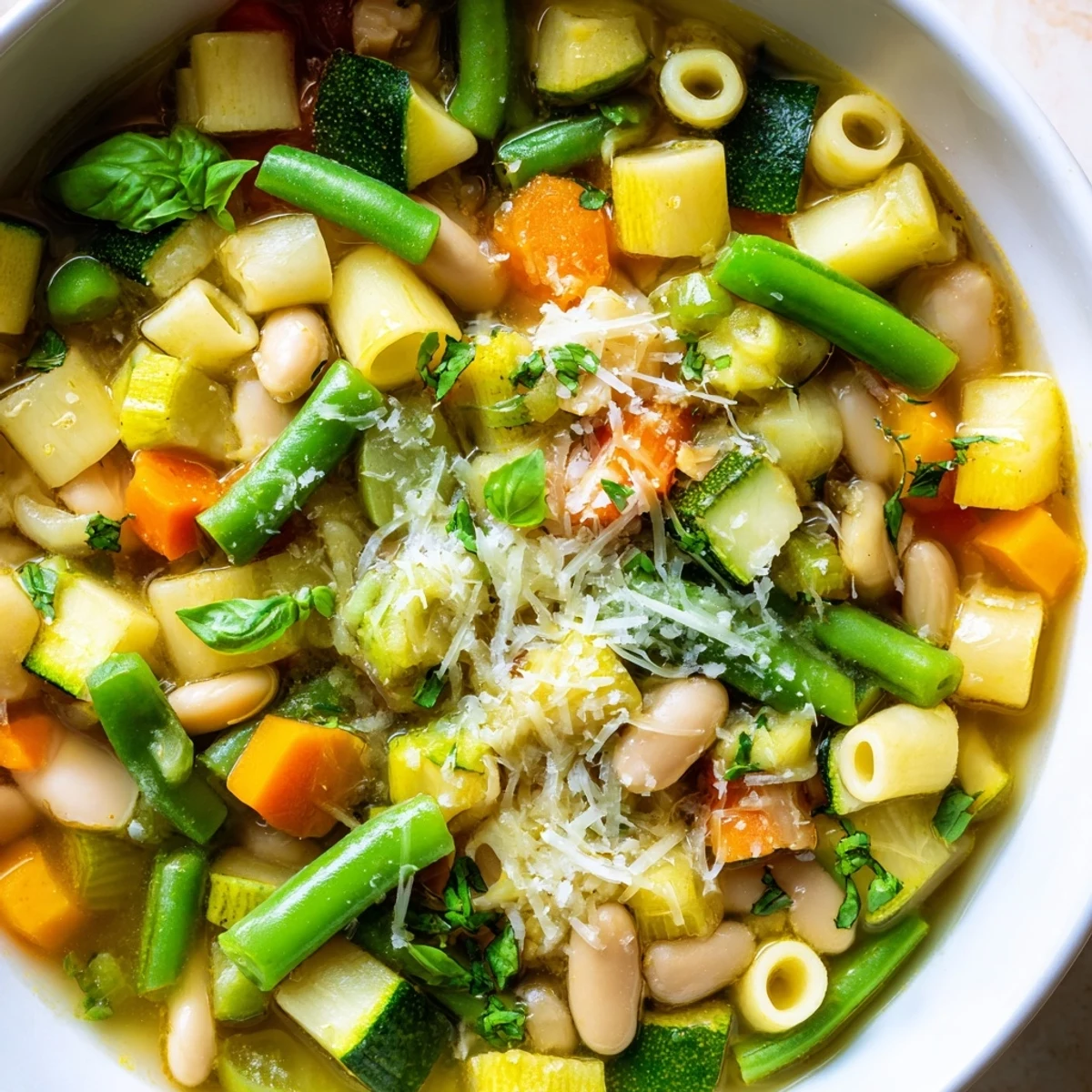
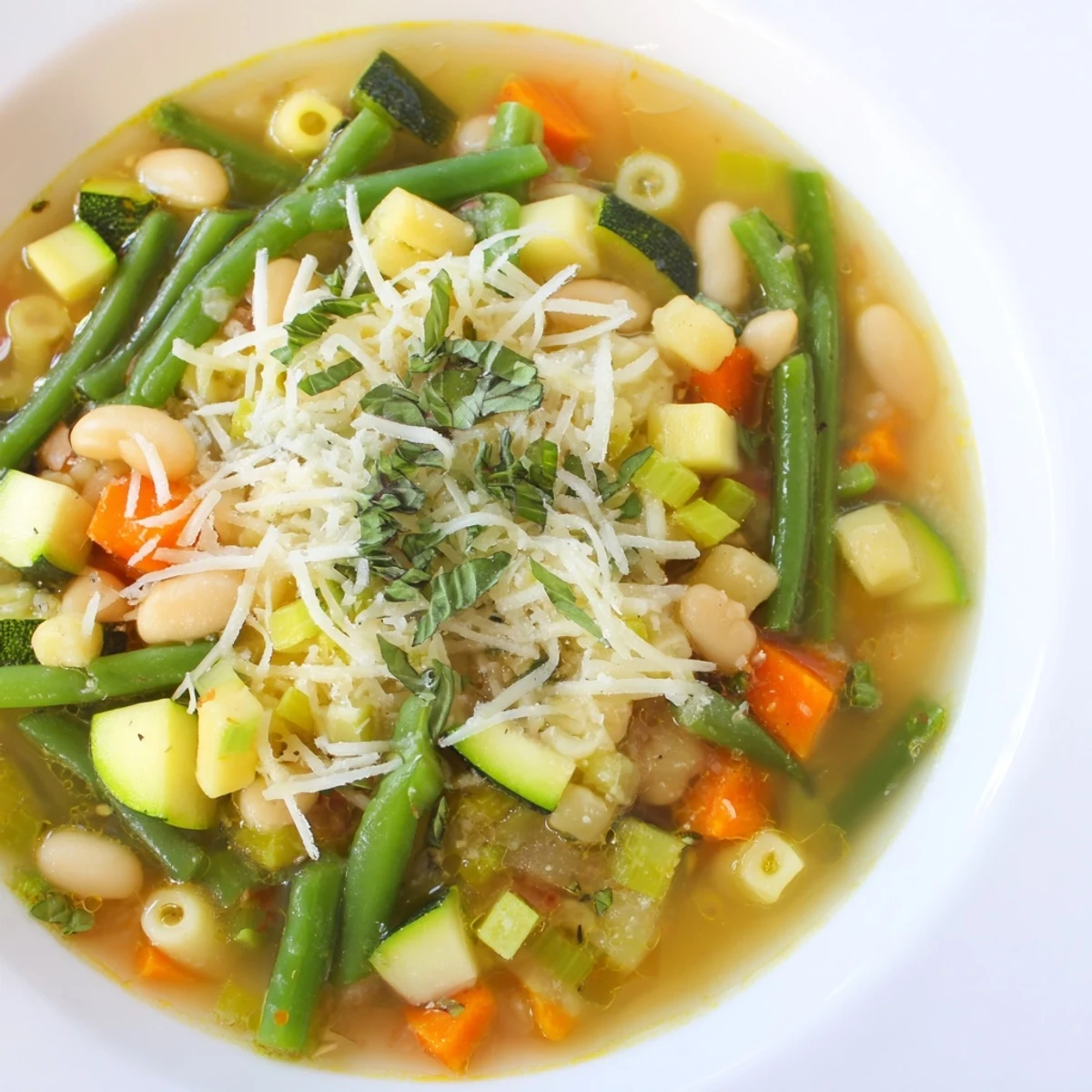
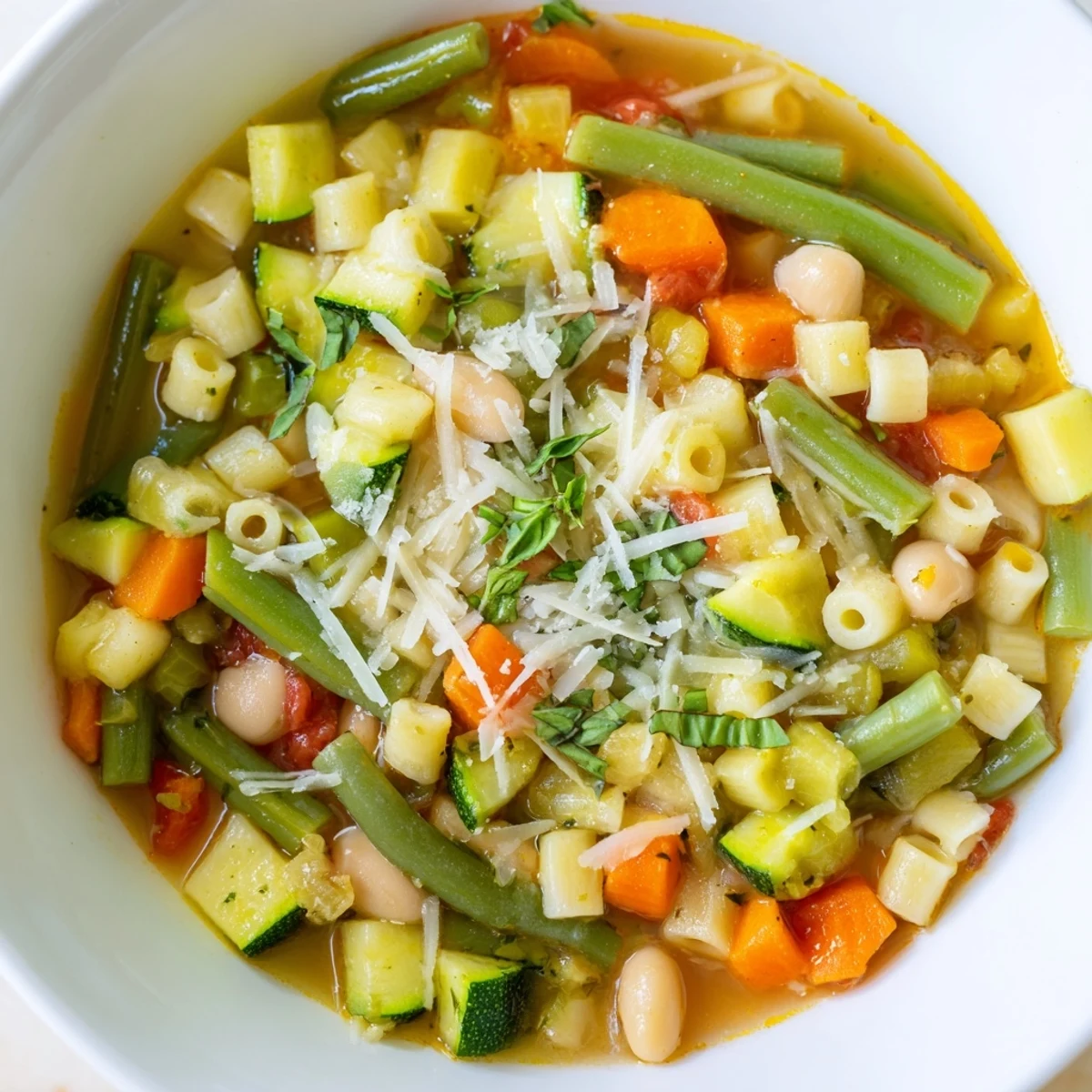
 This vibrant Italian minestrone brims with fresh spring vegetables like zucchini, peas, and green beans. Tender cannellini beans and small pasta add heartiness, all cooked gently in a herb-infused vegetable broth. Aromatic seasonings enhance the natural flavors, while baby spinach adds brightness before serving. Garnishing with Parmesan and fresh herbs elevates the dish. Perfect for a wholesome, easy meal that captures the essence of spring in every spoonful.
My neighbor Rosa taught me that minestrone changes with the seasons, and this spring version became the reason I started keeping a notebook of vegetable arrivals at the farmers market. Last April, I made this soup during that weird transitional week when winter feels done but the air still holds a chill, and my roommate declared it the best thing to come out of our tiny kitchen.
I once tripled this recipe for a community potluck and watched three people ask for the recipe before they even finished their first bowl. Something about tender green beans and sweet peas swimming with pasta makes people feel cared for, like someone grandmother just showed up with a hug in a bowl.
Ingredients
- 2 tablespoons olive oil: Extra virgin makes a noticeable difference in the finished broth
- 1 medium onion, diced: Yellow onions work beautifully here, but sweet onions add a lovely mildness
- 2 carrots, peeled and diced: Fresh carrots will have more natural sweetness than bagged ones
- 2 celery stalks, diced: Include some of the tender inner leaves for extra herbaceous flavor
- 2 cloves garlic, minced: Fresh garlic matters, not jarred, it mellows beautifully as it simmers
- 1 medium zucchini, diced: Smaller cubes hold their shape better than large pieces
- 1 cup fresh or frozen peas: Fresh peas taste like spring itself, but frozen work perfectly in a pinch
- 1 cup green beans, trimmed and cut into 1-inch pieces: Haricots verts stay tender longer than regular green beans
- 1 ½ cups baby spinach, packed: Add right at the end so it stays vibrant green
- 1 (15 oz / 425 g) can cannellini beans, rinsed and drained: These creamy beans become the heart of the soup
- ¾ cup small pasta: Ditalini holds up perfectly, but any tiny pasta shape works wonderfully
- 6 cups low-sodium vegetable broth: Making your own broth elevates this to restaurant quality
- 1 (14 oz / 400 g) can diced tomatoes with juices: Fire roasted tomatoes add a subtle depth that regular ones miss
- 1 teaspoon dried oregano: Mexican oregano has a lovely citrus undertone if you can find it
- ½ teaspoon dried thyme: Lemon thyme adds a bright spring note if available
- ½ teaspoon dried basil: Fresh basil gets added at the end, but this builds the base flavor
- 1 bay leaf: Remove it before serving, but do not skip it
- Salt and freshly ground black pepper, to taste: Season gradually, the flavors concentrate as it simmers
- ¼ cup freshly grated Parmesan cheese (optional): Vegetarian Parmesan is worth seeking out
- 2 tablespoons chopped fresh basil or parsley: Both work, or do a mix for color contrast
Instructions
- Build the flavor foundation:
- Heat olive oil in a large pot over medium heat. Add onion, carrots, and celery. Sauté for 5 to 6 minutes until softened and fragrant.
- Wake up the garlic:
- Stir in garlic and cook for just 1 minute until fragrant. Watch closely so it does not brown or turn bitter.
- Add the spring vegetables:
- Add zucchini, peas, green beans, oregano, thyme, basil, and bay leaf. Cook for 3 minutes, stirring occasionally to coat everything in the aromatics.
- Create the simmering broth:
- Pour in vegetable broth and diced tomatoes with their juices. Bring to a gentle boil, then reduce heat and simmer uncovered for 15 minutes.
- Introduce the heartiness:
- Add cannellini beans and pasta. Simmer for 8 to 10 minutes until pasta is al dente and vegetables are perfectly tender.
- Finish with fresh greens:
- Stir in spinach until just wilted, about 30 seconds. Season with salt and pepper to taste. Remove bay leaf before serving.
- Serve with love:
- Ladle into warmed bowls. Garnish with Parmesan and fresh herbs if desired. Serve hot with crusty bread for soaking up every drop.
 Pin This
 Last spring, my friend Maria dropped by unexpectedly during a rainstorm and I heated up leftover minestrone. We stood at the counter eating straight from the pot while she told me about her garden plans, and somehow that simple moment became one of my favorite food memories of the year.
Choosing Your Spring Vegetables
Early spring vegetables have delicate sugars that disappear if overcooked, so add the tender ones like peas and spinach toward the end. Some weeks at the market, asparagus looks better than green beans, or fava beans make an appearance, and this soup welcomes all of them without complaint.
The Pasta Secret
Tiny pasta shapes cook evenly and stay suspended in every spoonful instead of sinking to the bottom. I once used shells that were too large, and they absorbed half the broth while my back was turned, turning a lovely soup into something closer to risotto.
Make It Your Own
This recipe happily accommodates whatever vegetables look most beautiful at the market. The broth remains constant, but the starring characters can change with the weeks.
- Swap in chickpeas for the cannellini if you prefer their slightly nuttier taste
- Add a parmesan rind to the simmering broth for an incredible depth of flavor
- Finish with a drizzle of good olive oil just before serving for that restaurant quality touch
 Pin This
 There is something deeply satisfying about a soup that captures the exact feeling of spring in a bowl. Hope this one becomes part of your kitchen story too.
Recipe FAQs
- → Can I make this soup vegan?
-
Yes, simply omit the Parmesan cheese or substitute a plant-based alternative to keep it vegan-friendly.
- → What pasta works best in this minestrone?
-
Small pasta shapes like ditalini or elbow macaroni hold up well and complement the vegetables and beans.
- → How can I adjust the soup for gluten intolerance?
-
Replace the pasta with gluten-free options to maintain texture while avoiding gluten.
- → Can I substitute other vegetables for spring produce?
-
Yes, asparagus or fava beans make great substitutions that keep the fresh, springtime feel.
- → What herbs enhance the flavor best?
-
Dried oregano, thyme, basil, and a bay leaf are used to infuse the broth with aromatic depth and complexity.
- → How long should I simmer the soup after adding pasta?
-
Simmer the soup for 8-10 minutes until the pasta is al dente and vegetables are tender.