
 Pin This
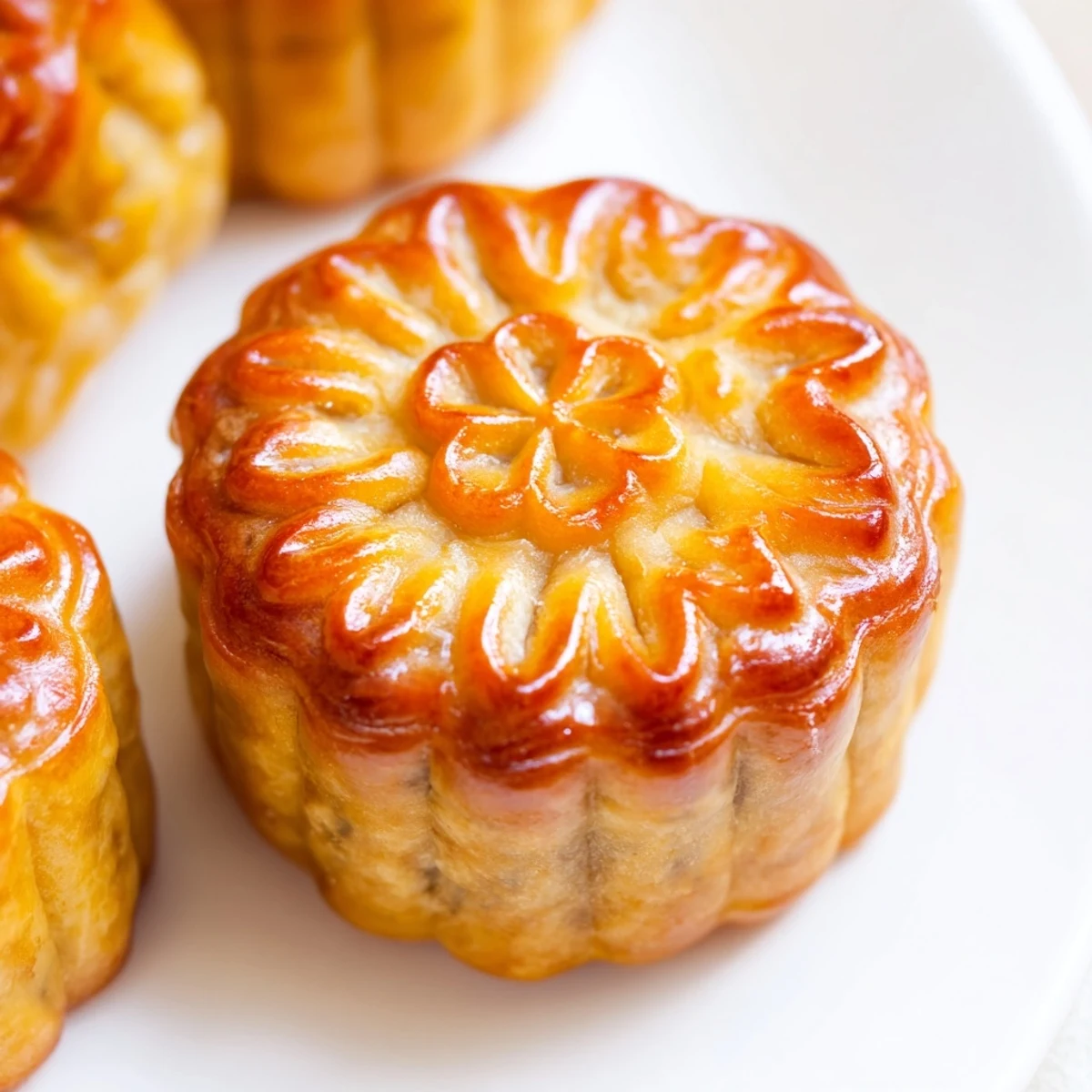
 Create authentic Chinese mooncakes at home with this traditional method. These delicate pastries feature a tender golden crust encasing sweet lotus seed paste, with optional salted egg yolk centers for the classic experience. The process involves making a syrup-based dough, wrapping filling portions, and using decorative molds to achieve the signature embossed patterns.
While the technique requires patience and resting time, the results capture the essence of this centuries-old festival treat. The two-stage baking process ensures proper setting, while the egg wash glaze creates the characteristic glossy finish. Allow finished mooncakes to rest for a day or two—the skin softens and flavors meld beautifully during this time.
The first time I attempted mooncakes, my kitchen smelled like golden syrup and anticipation for days. My grandmother had sent me a traditional wooden mold from Shanghai, and I was determined to make something worthy of that beautiful pressed floral pattern. The dough stuck to everything, my filling ratios were completely wrong, and what emerged from the oven were lumpy, misshapen discs that barely resembled the elegant pastries I remembered from childhood celebrations.
Last autumn, I finally nailed the technique during a rainy weekend when there was nowhere else I needed to be. My roommate wandered in, drawn by the incredible aroma of toasted lotus paste and buttery pastry, and we ended up having an impromptu mooncake tasting right there on the kitchen counter. Theres something profoundly satisfying about serving someone a food youve crafted with your own hands, watching their eyes light up with that first perfect bite.
Ingredients
- 200 g all-purpose flour: This creates the tender structure that holds everything together without becoming tough
- 120 g golden syrup: The secret to that signature glossy finish and subtle caramel undertones
- 50 g vegetable oil: Keeps the pastry pliable and soft even after resting
- 1 tsp alkaline water: Essential for achieving the traditional golden color and texture
- 500 g lotus seed paste: The classic sweet filling that creates that luxurious, dense center
- 12 salted egg yolks: Optional but adds that incredible savory richness that balances the sweet paste
- 1 egg yolk mixed with 1 tbsp water: Creates that beautiful burnished glaze on top
Instructions
- Make the dough base:
- Whisk together golden syrup, oil, and alkaline water until completely smooth, then fold in flour until a soft dough forms
- Let it rest:
- Cover the dough and set aside for 30 minutes while you prepare the filling, this rest is non-negotiable
- Prepare the filling balls:
- Divide lotus paste into 12 equal portions and wrap each around a salted egg yolk if using, forming smooth spheres
- Portion the pastry:
- Divide rested dough into 12 equal pieces, keeping them covered to prevent drying
- Wrap and seal:
- Flatten each dough piece into a disc, place filling in center, and carefully wrap pastry around until completely sealed
- Press into molds:
- Lightly flour each ball and press firmly into a mooncake mold, then invert onto parchment-lined tray
- Initial bake:
- Bake at 180°C for 5 minutes, then cool completely for 10 minutes before glazing
- Glaze and finish:
- Brush gently with egg wash and return to oven for 15-20 minutes until deeply golden
 Pin This
 I brought a batch to my office the day after the Mid-Autumn Festival, and my Chinese colleague actually teared up taking her first bite. She told me her grandmother used to make mooncakes exactly like these, and suddenly I understood why this pastry means so much more than just dessert. Food is memory, and sometimes were lucky enough to bake those memories into something tangible.
Choosing Your Filling
While lotus seed paste is the traditional choice, red bean paste makes an equally delicious alternative with its earthier sweetness. Black sesame paste adds a nutty complexity that I personally adore, especially when paired with the richness of salted egg yolks. The key is using paste thats thick enough to hold its shape but soft enough to yield when you bite through that tender pastry shell.
Working with Molds
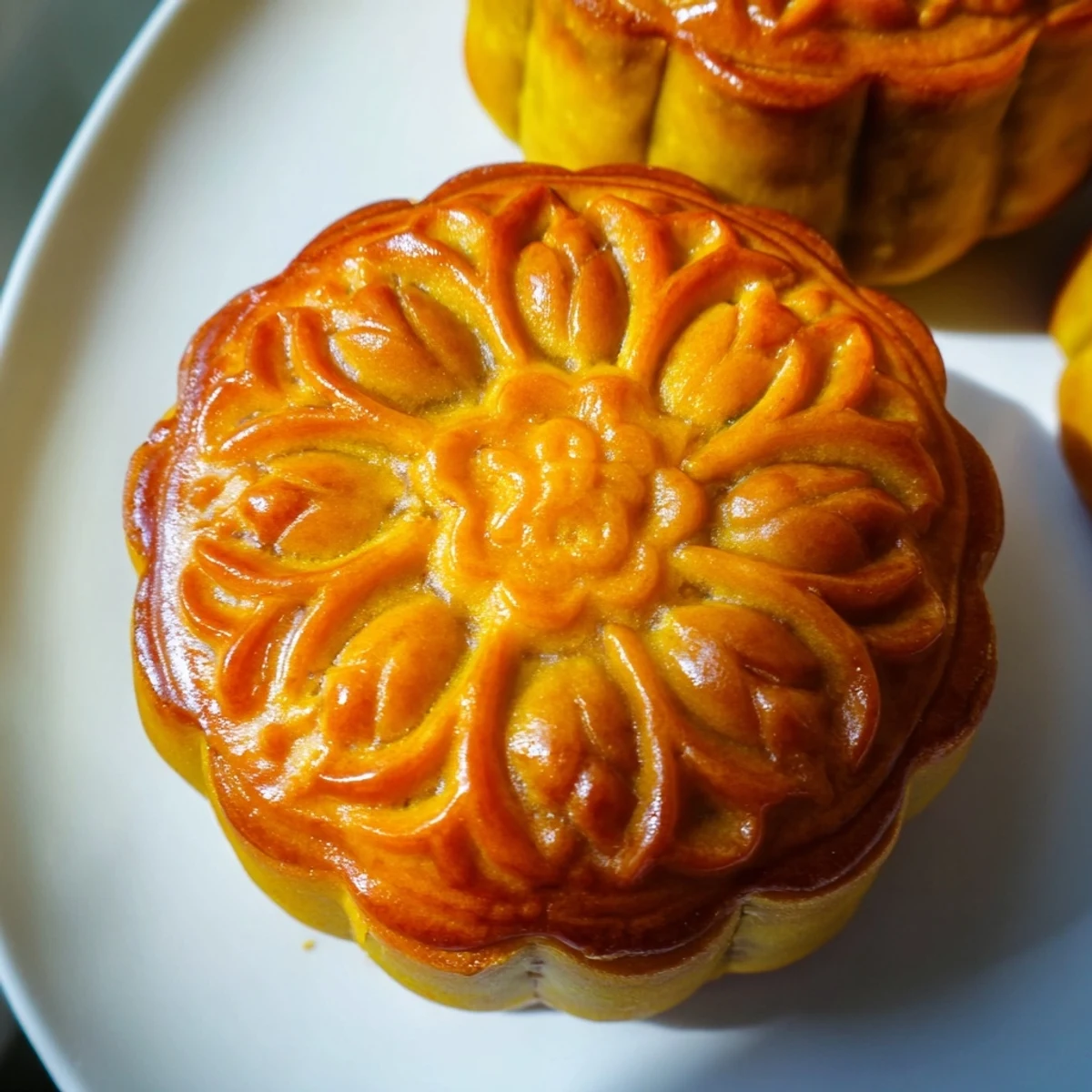
Traditional wooden molds are beautiful but require a dusting of flour to prevent sticking, while modern plastic presses are more forgiving for beginners. The pattern you choose becomes your signature, and there is something deeply satisfying about pressing that final mooncake out and seeing those intricate designs revealed. Practice with a small test portion first to get the feel of how much pressure your particular mold needs.
The Waiting Game
Here is something nobody tells you about mooncakes, they actually taste better after sitting for a day or two. That pastry needs time to soften and meld with the filling, transforming from slightly crisp to perfectly tender. I know the temptation to eat them immediately is overwhelming, but exercise some patience and you will be rewarded with mooncakes that taste exactly like the ones from the finest bakeries.
- Store in an airtight container at room temperature
- Wait at least 24 hours before serving for optimal texture
- These keep beautifully for up to a week if you can resist them that long
 Pin This
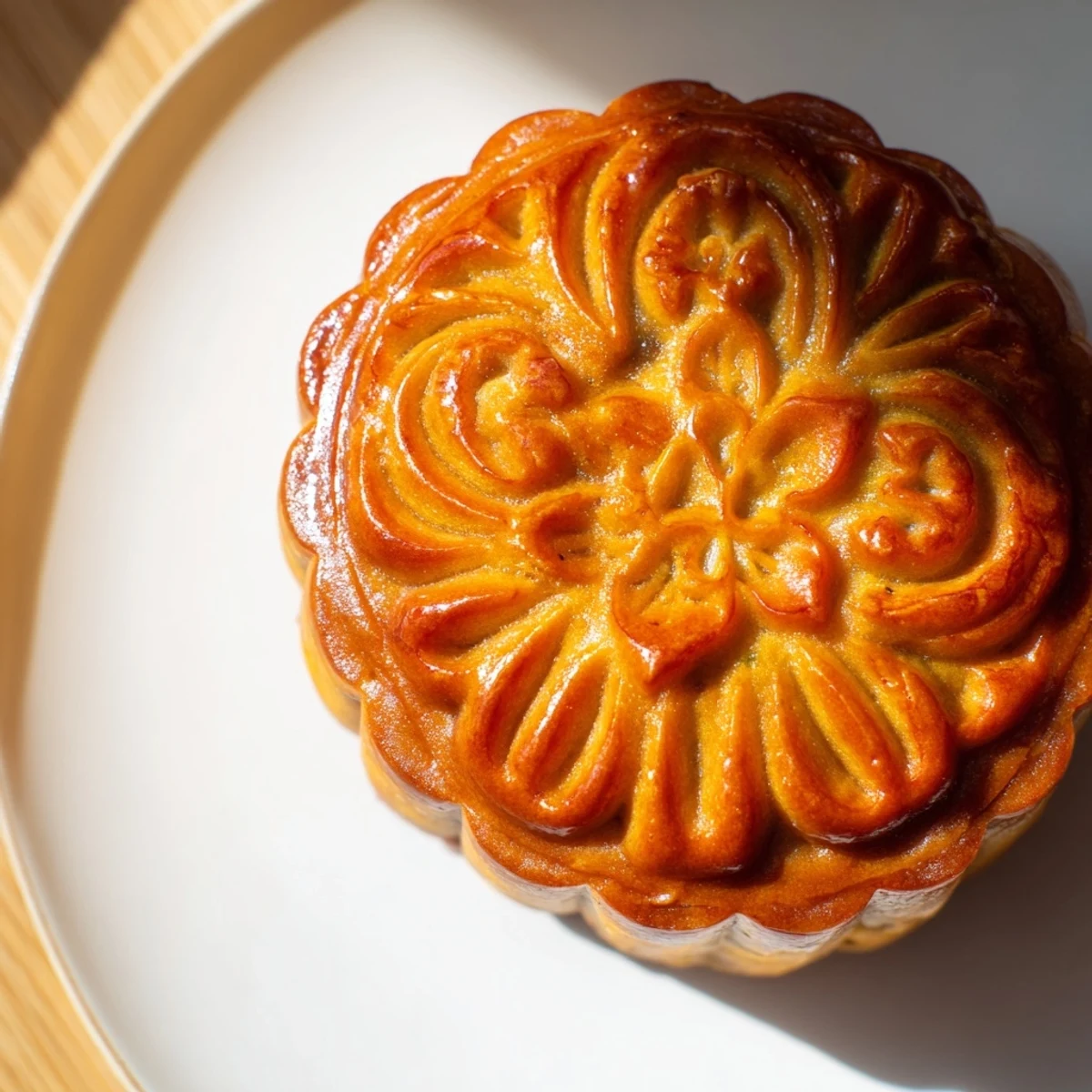
 May your kitchen fill with the warmth of tradition and the sweet anticipation of sharing something made with love. These mooncakes carry centuries of celebration in every golden, patterned bite.
Recipe FAQs
- → What is the purpose of alkaline water in mooncake dough?
-
Alkaline water, also called lye water, helps achieve the characteristic golden-brown color and tender texture of traditional mooncake skins. It also neutralizes the acidity of the golden syrup, creating a more balanced dough that holds its shape during baking.
- → Why must mooncakes rest before serving?
-
Freshly baked mooncakes have a crisp texture that softens significantly after 1-2 days of storage. This resting period allows oils from the filling to migrate into the dough, creating the signature tender, moist skin that traditional mooncakes are known for.
- → Can I make mooncakes without a traditional mold?
-
While traditional wooden molds create the classic embossed designs, you can use modern silicone mooncake presses or simply shape the filled dough into smooth balls and flatten slightly. The taste remains authentic even without decorative patterns.
- → What fillings work best for homemade mooncakes?
-
Lotus seed paste is the traditional choice, but red bean paste, black sesame, date paste, or even durian make excellent alternatives. For modern variations, try matcha, chocolate, or fruit-based fillings. Keep fillings thick and not too moist for best results.
- → How long do homemade mooncakes keep?
-
Stored in an airtight container at room temperature, traditional mooncakes keep for 1-2 weeks. For longer storage, refrigerate for up to a month or freeze for 3 months. Bring to room temperature before serving for the best texture and flavor.
- → Why is my mooncake dough cracking?
-
Cracking usually occurs when the dough is too dry or hasn't rested long enough. Ensure proper measurements, let the dough rest for the full 30 minutes to hydrate, and work quickly when wrapping fillings. If dough feels dry, add a few drops of oil.