
 Pin This
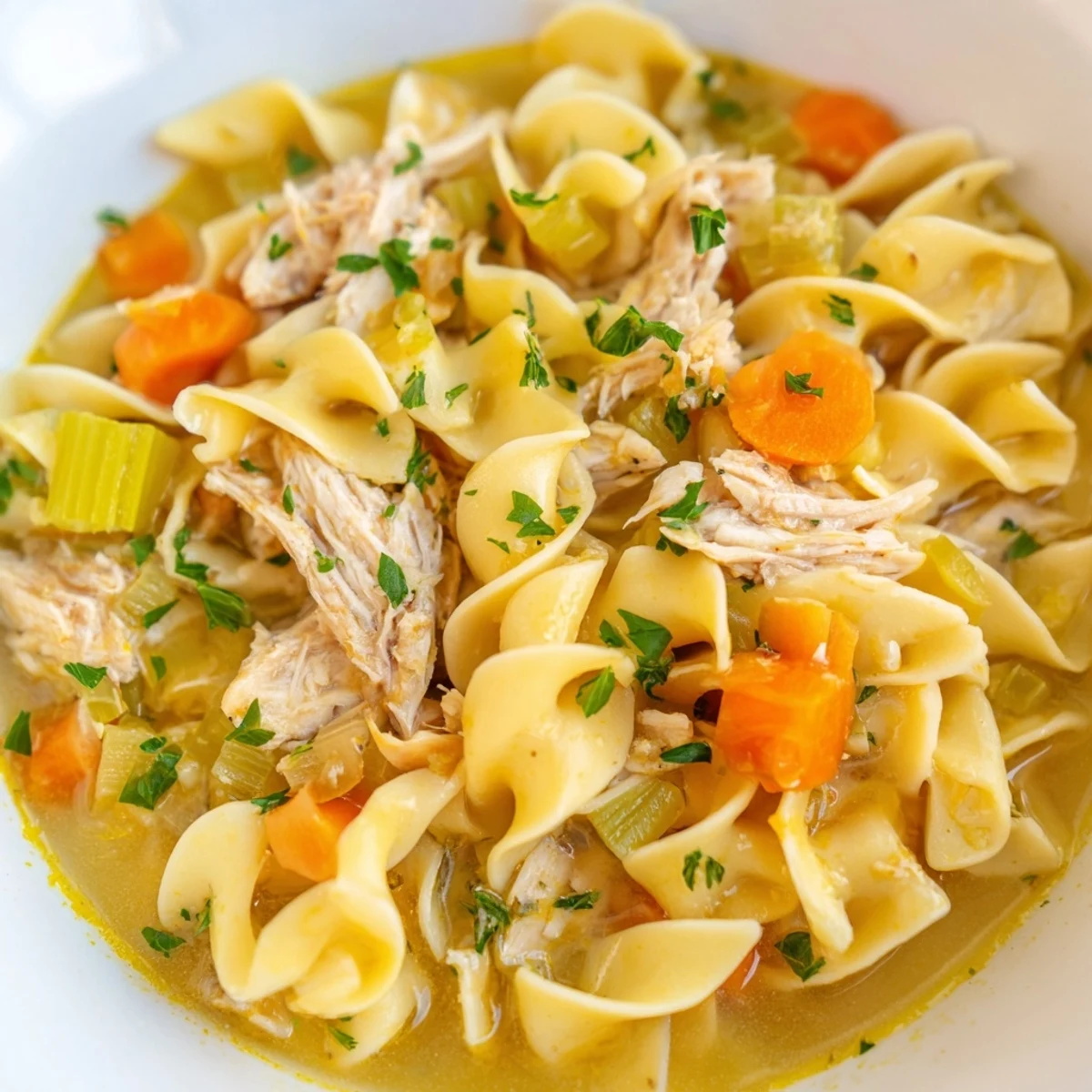
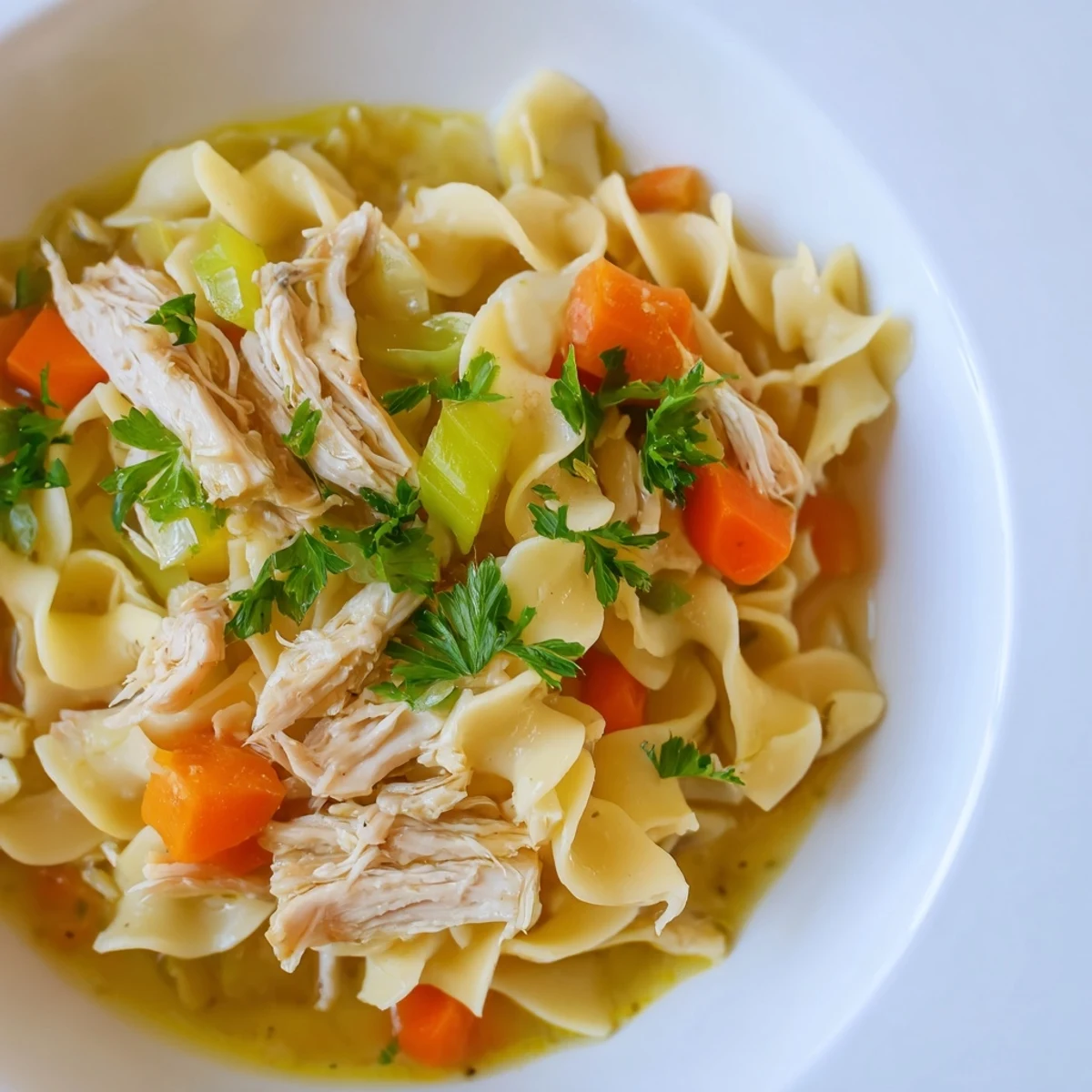
 This classic comfort dish combines tender chicken breasts with fresh vegetables—carrots, celery, and onion—simmered in rich chicken broth. Wide egg noodles add heartiness while bay leaves and thyme infuse subtle depth. The straightforward method takes about an hour total, with minimal active cooking time. Perfect for serving six, this dairy-free soup satisfies with wholesome ingredients and simple seasoning that lets natural flavors shine through.
The rich aroma of simmering chicken broth takes me back to my grandmother's kitchen on foggy autumn afternoons. I caught a terrible cold during my first winter in the city, and this soup became my lifeline for a week straight. Something magical happens when those simple ingredients meld together, creating a golden elixir that seems to heal from the inside out.
Last December, when my neighbor was recovering from surgery, I brought over a container of this soup. The look on her face when she took her first spoonful told me everything I needed to know. Her husband called the next day asking for the recipe, saying it was the first thing shed eaten with real enthusiasm in weeks.
Ingredients
- Boneless chicken breasts: The foundation of the soup that contributes both flavor and protein, I find they shred beautifully when cooked directly in the simmering broth.
- Egg noodles: Their silky texture and slight chew make them far superior to regular pasta in this soup, absorbing just enough broth without becoming mushy.
- Mirepoix (carrots, celery, onion): This classic trio creates the aromatic base of the soup, with each vegetable contributing a distinct note to the final harmony.
- Bay leaves: These unassuming leaves quietly infuse the broth with an earthy depth that you notice only when its missing.
- Low-sodium chicken broth: Starting with premade broth lets you control the salt level while still building on existing flavor.
Instructions
- Poach the chicken:
- Submerge your chicken breasts in the broth and water mixture, bringing it to a gentle simmer rather than a rolling boil. Youll know theyre done when the thickest part easily pulls apart with a fork.
- Build the flavor base:
- The vegetables should soften but not brown, so keep the heat at medium and stir occasionally. When you add the garlic, youll smell its pungent aroma bloom within seconds.
- Marry the components:
- As you return the shredded chicken to the pot with the herbs, the kitchen will fill with a homey scent that signals comfort is on the way. Listen for the gentle bubbling that indicates the perfect simmer temperature.
- Cook the noodles:
- Watch the egg noodles carefully as they can go from perfect to overdone quickly. I aim for al dente since theyll continue absorbing broth in the pot and in your bowl.
- Final touches:
- Remove those bay leaves like youre on a treasure hunt, theyre experts at hiding. A final taste might reveal the need for an extra pinch of salt or pepper, trust your instincts here.
 Pin This
 On a particularly stressful day last year, my hands automatically reached for the ingredients to make this soup without conscious thought. The repetitive motion of chopping vegetables and the gradual transformation of simple ingredients into something nourishing became a form of meditation. By the time I sat down with a steaming bowl, both body and mind felt restored.
Storage and Reheating
This soup keeps beautifully in the refrigerator for up to 4 days, though the noodles will continue absorbing liquid. When reheating, I add a splash of fresh broth or even water to bring it back to its original consistency, and a gentle warming over medium-low heat preserves the textures better than aggressive boiling or microwave blasts.
Make-Ahead Options
During especially hectic weeks, I prepare all components separately, storing the cooked chicken, sautéed vegetables, and broth in separate containers. This assembly-line approach lets me quickly combine portions as needed, with freshly cooked noodles added at the last minute for optimal texture.
Variations to Try
The beauty of chicken noodle soup lies in its adaptability to whatever your pantry holds or your taste buds crave. Sometimes I throw in a handful of frozen peas in the last few minutes of cooking, or swap the thyme for dill when I want a brighter flavor profile.
- For a heartier version, add a cup of diced potatoes along with the other vegetables and extend the cooking time by 10 minutes.
- A squeeze of lemon juice just before serving cuts through the richness and brightens the entire dish, especially helpful when cooking for someone under the weather.
- For an Asian-inspired twist, replace the thyme with a thumb-sized piece of ginger and finish with a drizzle of sesame oil and chopped scallions.
 Pin This
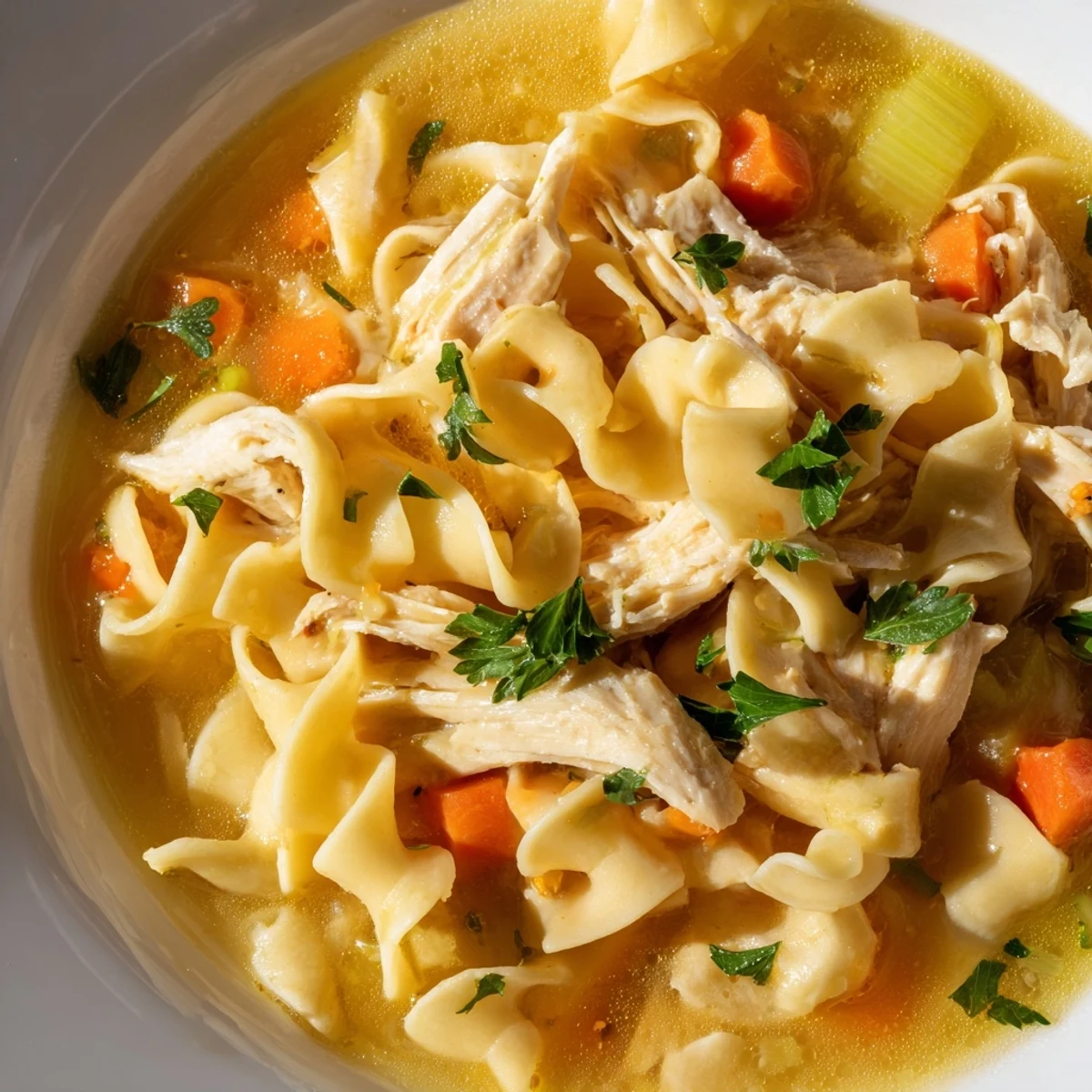
 This chicken noodle soup has seen me through countless winters, unexpected illnesses, and moments when comfort was needed most. Its not just a recipe but a reliable friend that shows up exactly when called upon.
Recipe FAQs
- → Can I use store-bought rotisserie chicken instead of cooking chicken from scratch?
-
Absolutely. Simply shred rotisserie chicken and add it directly to the broth in step 3. This cuts your cooking time significantly while delivering the same comforting results.
- → How do I prevent egg noodles from becoming mushy?
-
Cook noodles according to package directions, typically 7-8 minutes. Add them near the end of simmering rather than at the beginning. Slightly firm noodles will soften as the soup sits and maintain better texture.
- → What vegetables work well as substitutes?
-
Peas, corn, green beans, or diced potatoes all complement this dish beautifully. Add heartier vegetables like potatoes earlier in cooking, while peas and corn go in toward the end to retain their texture.
- → Is this soup freezer-friendly?
-
Yes, this soup freezes well for up to three months. Cool completely before transferring to freezer containers. Noodles may soften slightly upon reheating, so consider undercooking them slightly if you plan to freeze.
- → How can I make this gluten-free?
-
Simply substitute gluten-free egg noodles or rice noodles for traditional wheat noodles. Verify your chicken broth is gluten-free, as some commercial broths contain hidden gluten. Everything else in this dish is naturally gluten-free.
- → What's the best way to boost flavor?
-
Add a squeeze of fresh lemon juice just before serving for brightness. A pinch of fresh dill or thyme enhances the profile. Toasted bread crumbs or crispy sage leaves scattered on top add textural interest.