
 Pin This
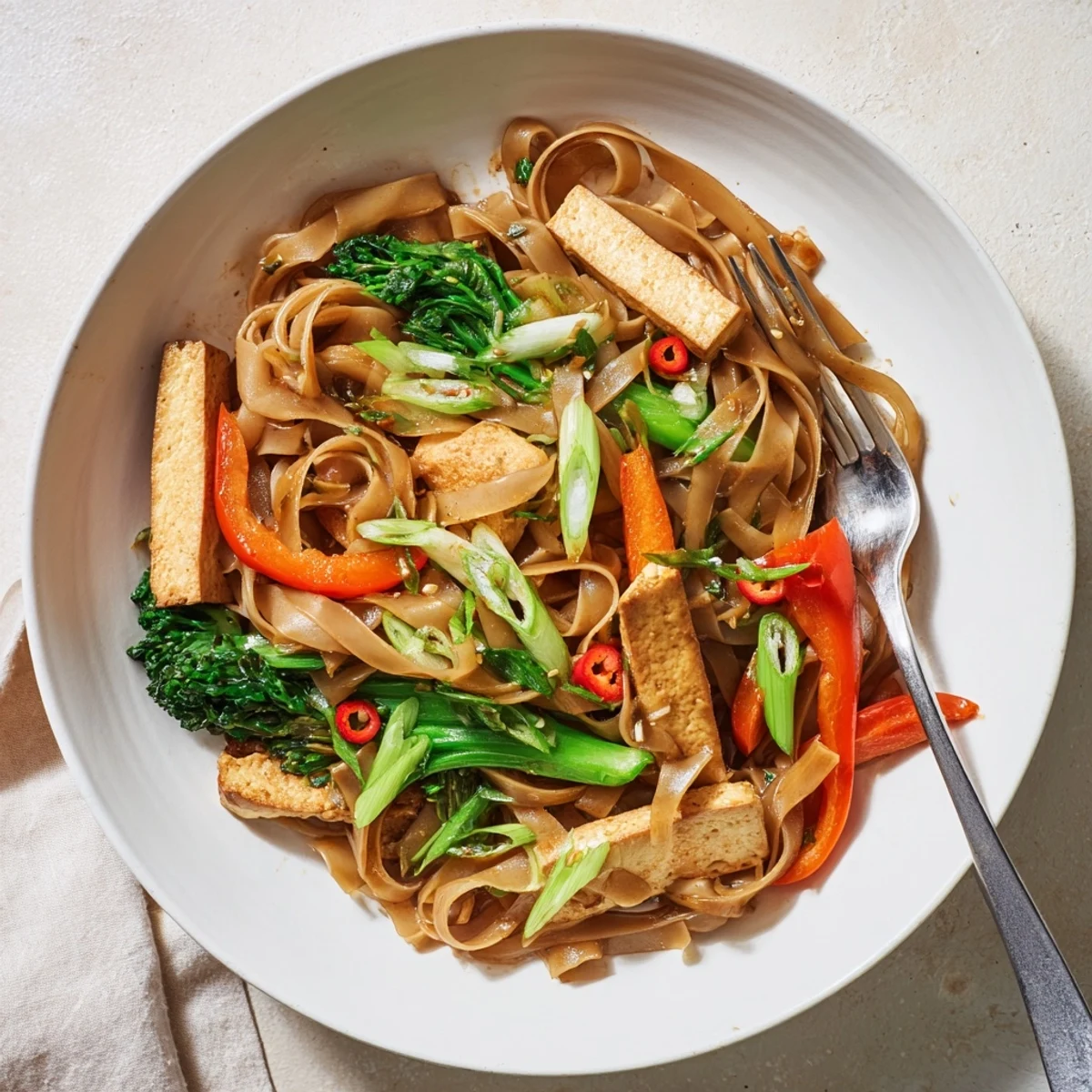
 This plant-based version of the beloved Thai street food brings together wide rice noodles, crisp Chinese broccoli, and tender tofu in a smoky, savory sauce. The umami-rich coating comes from a balanced blend of light and dark soy sauces with a touch of sweetness.
Perfect for quick weeknight dinners, this dish comes together in just 30 minutes. The key is achieving that characteristic smoky flavor by letting the noodles slightly char against the hot wok.
Customize with your favorite vegetables and adjust the seasoning to your taste. Serve hot with fresh lime and chili for an authentic experience.
The smell of streetside woks in Bangkok still hits me whenever I make this at home, that perfect char of rice noodles hitting hot metal. I spent a week hunting down the best pad see ew on Khao San Road, coming back to my tiny hostel room with sauce-stained takeaway boxes and a mission to recreate the magic. This vegan version captures everything I loved about those nights, wide noodles slicked in caramelized sauce and crisp-tender vegetables.
My roommate in college watched me make this for the first time, skeptical that tofu could stand up to the bold flavors she remembered from her favorite Thai spot. When she took her first bite and immediately reached for seconds, I knew this recipe was a keeper. Now it is our go-to comfort food when we need something fast but deeply satisfying.
Ingredients
- Light soy sauce: Provides the salty base note while dark soy sauce adds that gorgeous amber color and subtle sweetness
- Vegan oyster sauce: Mushroom based sauce delivers the rich depth traditionally found in oyster sauce
- Wide rice noodles: Fresh noodles give the best texture but dried work perfectly when soaked properly
- Firm tofu: Sliced into strips it develops golden edges and stands up to stir frying without falling apart
- Chinese broccoli: The stems add crunch while leaves wilt beautifully into the noodles
Instructions
- Whisk together your sauce:
- Combine light and dark soy sauce with vegan oyster sauce, sugar, rice vinegar and water until everything dissolves completely
- Prepare the noodles:
- Cook fresh noodles briefly or soak dried ones until tender then drain and toss with a little oil to keep them from clumping
- Heat your wok or skillet:
- Get the oil smoking hot over medium-high heat then add garlic for just 20 seconds until fragrant but not burned
- Crisp the tofu:
- Add tofu strips and let them cook undisturbed for 2-3 minutes until golden then flip to color the other side
- Add the harder vegetables:
- Toss in Chinese broccoli stems, carrots and bell pepper first, stir-frying for 2-3 minutes until they start to soften
- Combine everything:
- Add noodles and sauce, gently tossing to coat without breaking the noodles apart
- Finish with the leaves:
- Drop in Chinese broccoli leaves for the final minute until wilted and serve immediately with your favorite garnishes
 Pin This
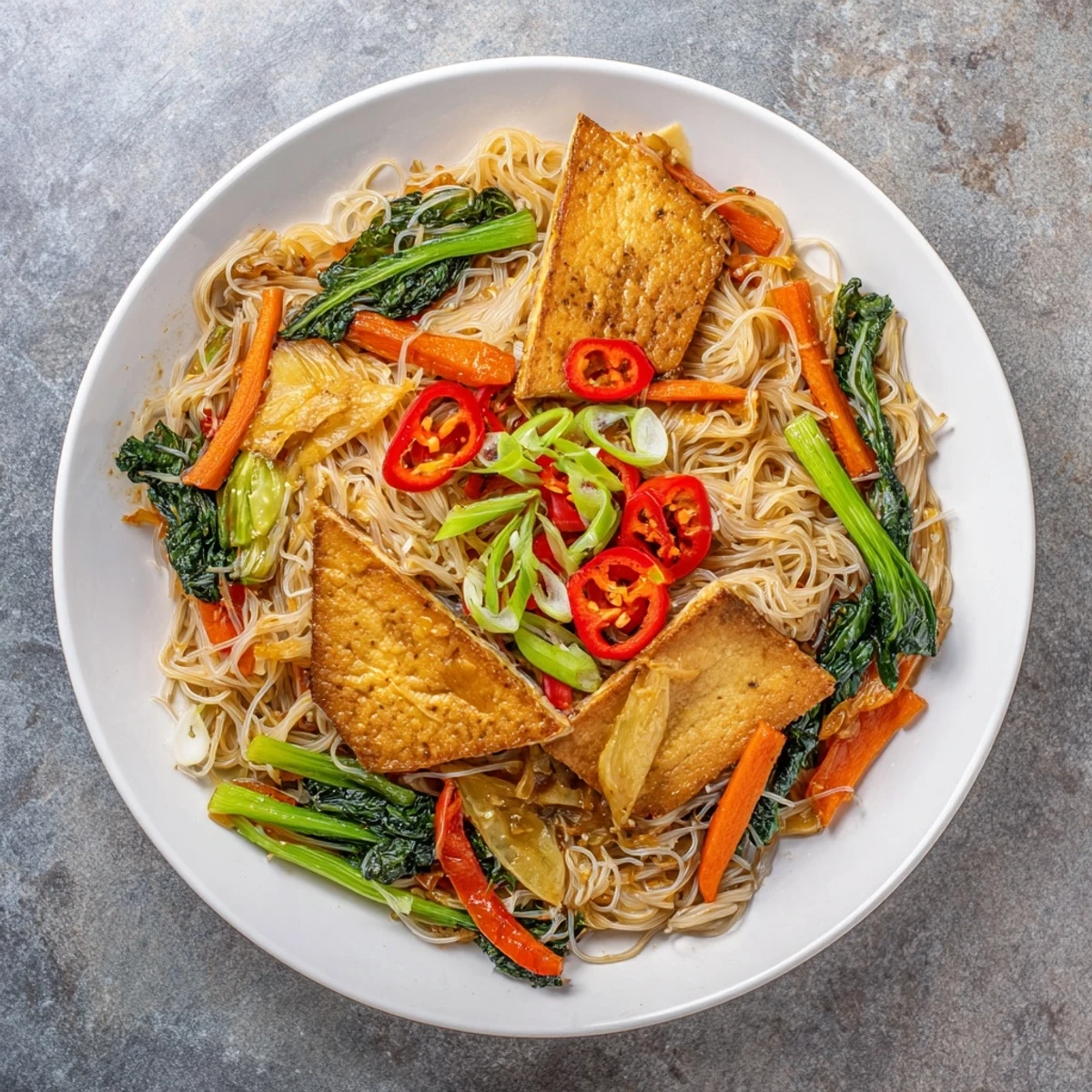
 This dish became my dinner party secret weapon when I realized everyone, vegan or not, goes crazy for those glossy noodles and caramelized edges. Something about the combination of sweet and salty sauce with crisp vegetables just works every single time.
Getting That Restaurant Char
The difference between good pad see ew and great pad see ew comes down to heat and patience. Let the noodles actually touch the hot surface of your pan, resisting the urge to constantly stir. Those slightly crispy, darkened spots are where all the flavor lives.
Noodle Selection Secrets
Fresh wide rice noodles from an Asian market will give you the most authentic texture, they soak up sauce beautifully while maintaining their chew. If you can only find dried, soak them longer than the package suggests until they are completely pliable.
Perfecting Your Protein
Firm tofu holds its shape best here, but pressing it for 15 minutes before slicing removes excess water and helps it crisp up nicely in the hot oil. You can also use seitan strips or tempeh for different textures and protein options.
- Prep all ingredients before you start cooking once the wok is hot things move fast
- Keep your sauce nearby so you can pour it in without stopping to measure
- Have your serving platters ready because this dish is best piping hot from the pan
 Pin This
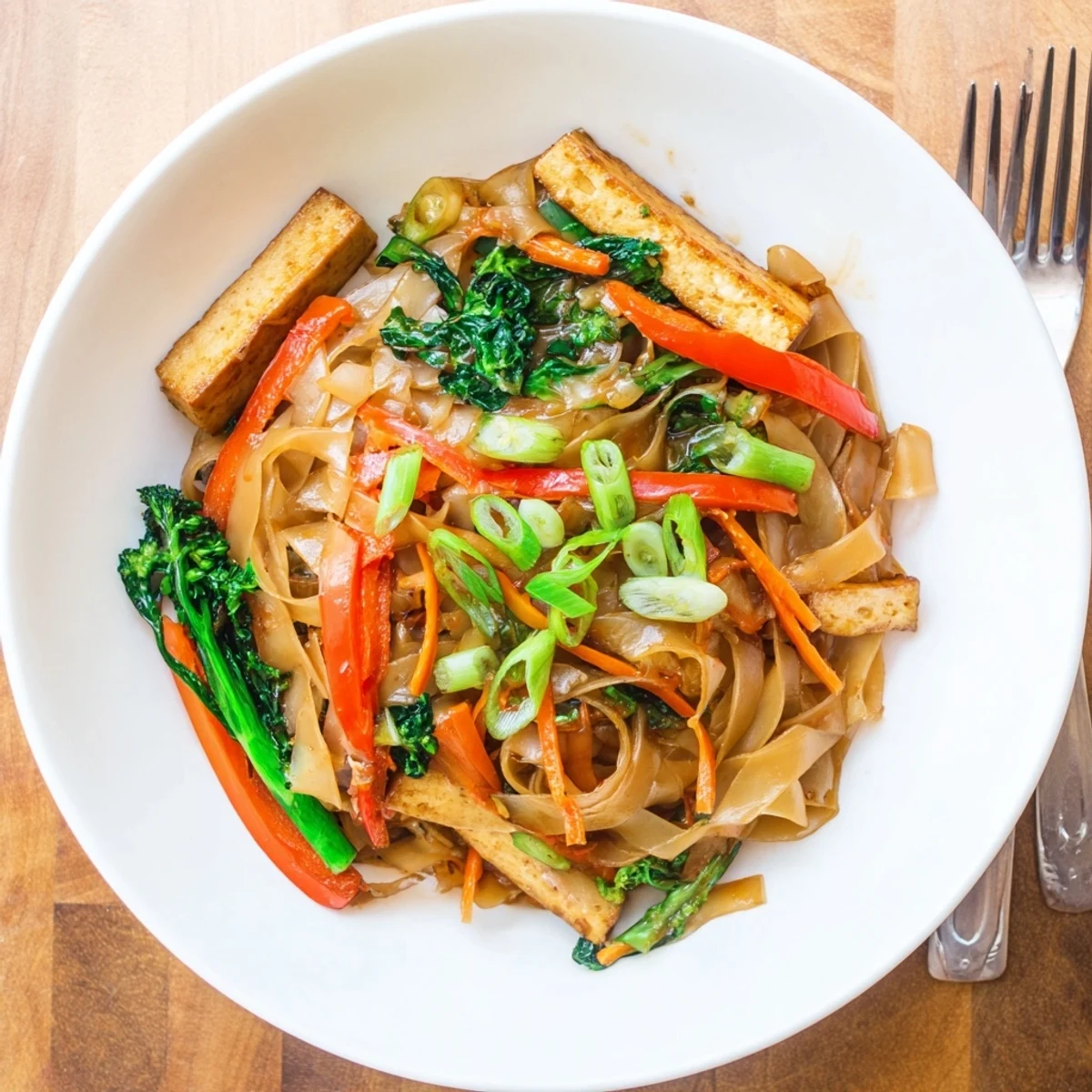
 Gather some friends, maybe a cold Thai beer, and enjoy those slippery noodles coated in perfectly balanced sauce. This is the kind of meal that makes everyone lean in a little closer, eager for the next bite.
Recipe FAQs
- → What makes Pad See Ew different from other Thai noodle dishes?
-
Pad See Ew is distinguished by its wide rice noodles and dark, smoky soy-based sauce. Unlike Pad Thai which has a sweet-tangy tamarind profile, this dish relies on the deep umami flavor of soy sauces and gets its signature charred aroma from high-heat stir-frying.
- → Can I make this gluten-free?
-
Absolutely. Simply use certified gluten-free soy sauce or tamari in place of regular soy sauce. Most rice noodles are naturally gluten-free, but always check the package to ensure no wheat-based ingredients were added during processing.
- → What's the best way to prevent noodles from sticking?
-
After draining, toss the noodles with a small amount of oil to keep them separated. When stir-frying, ensure your wok is properly heated and use a generous amount of oil. Work quickly and toss continuously to distribute the sauce evenly.
- → Can I prepare the sauce in advance?
-
Yes, you can mix the sauce components ahead of time and store in an airtight container in the refrigerator for up to a week. This actually helps the flavors meld together. Give it a quick stir before using as the sugar may settle.
- → What vegetables work best in this dish?
-
Chinese broccoli is traditional for its slightly bitter flavor and crunchy texture, but broccolini, regular broccoli, bok choy, or snap peas make excellent substitutes. The key is using vegetables that maintain some crispness when stir-fried quickly over high heat.
- → How do I achieve the smoky flavor in a home kitchen?
-
The smoky essence comes from cooking over high heat and allowing the noodles to briefly contact the hot surface of the wok. Don't constantly stir—let them sit for 15-20 seconds at a time to develop that characteristic char. A well-seasoned wok or large skillet works best.