
 Pin This
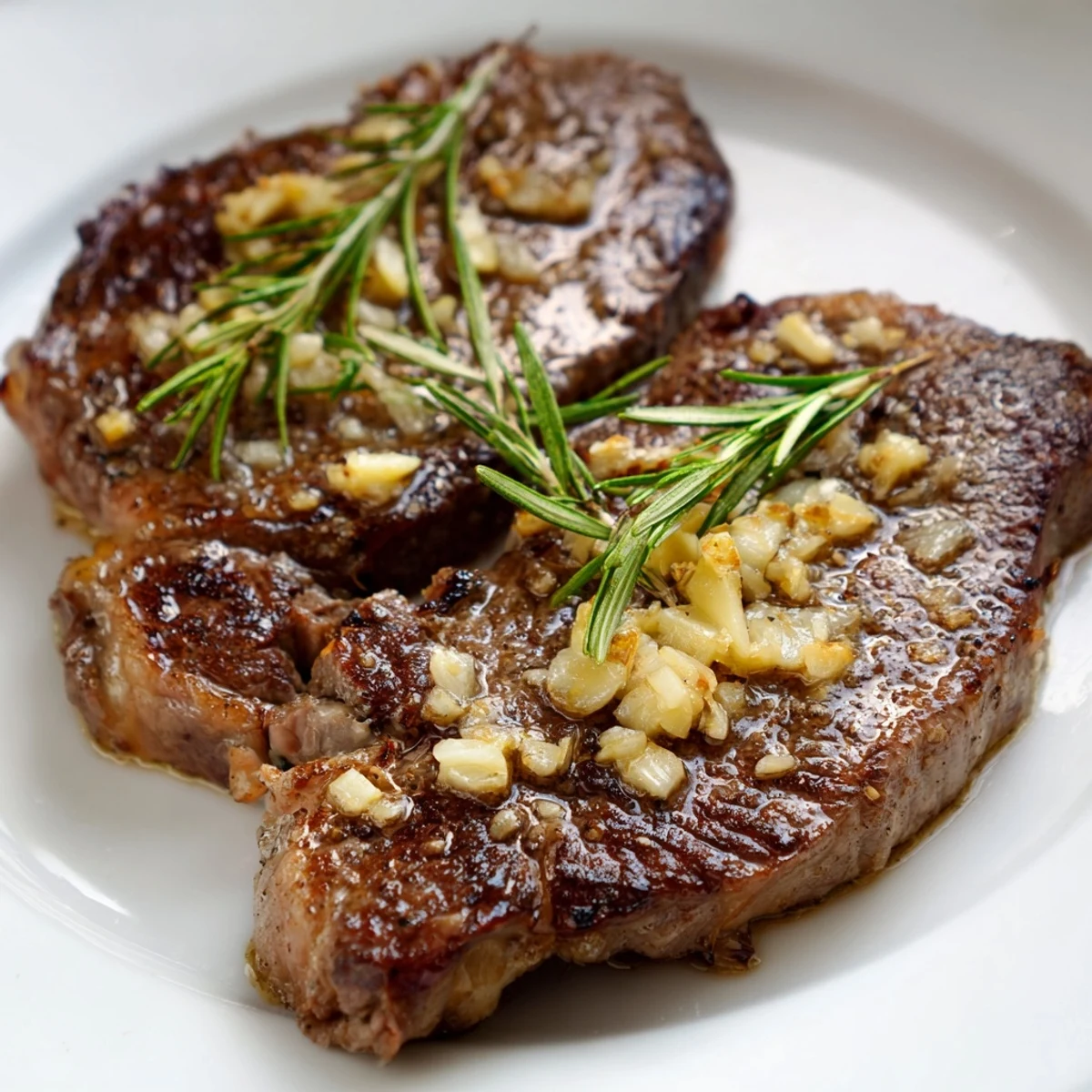
 Create restaurant-quality steaks with this simple pan-searing technique. The secret lies in basting juicy ribeye cuts with aromatic garlic and herb butter, creating a rich, golden crust while keeping the interior tender and perfectly cooked. Ready in just 25 minutes, this method delivers impressive results for weeknight dinners or special occasions.
The sizzle of a steak hitting a screaming hot cast iron pan is one of those sounds that makes everyone in the house wander into the kitchen, pretending they need a glass of water. My neighbor Dave once knocked on my door during a snowstorm just to ask what I was cooking, and ended up staying for dinner with a bottle of Malbec he had been saving. Garlic butter steak is the kind of meal that turns an ordinary Tuesday into something worth remembering, and honestly it takes less time than ordering delivery.
I burned the first batch of garlic to a bitter crisp the first time I tried this method because I added it too early and walked away to check my phone. Now I know the garlic goes in after the sear, and the whole basting moment happens so fast you barely have time to breathe, let alone check a text.
Ingredients
- Ribeye steaks (2, about 1 inch thick, 250g each): Ribeye has the perfect marbling for pan searing, and the fat renders into something magical in a hot skillet.
- Unsalted butter (3 tablespoons): Unsalted gives you control over seasoning and lets the garlic and rosemary shine without competing with salt already in the butter.
- Olive oil (1 tablespoon): A small amount raises the smoke point so the butter does not burn during the initial sear.
- Garlic cloves (4, finely minced): Fresh garlic is non negotiable here, minced fine so it melts into the butter and coats every bite of steak.
- Fresh rosemary sprigs (2): Rosemary infuses the butter with a woodsy, piney aroma that makes the whole kitchen smell like a fancy restaurant.
- Salt and freshly ground black pepper: Be generous with both, because a good crust needs real seasoning, not a polite dusting.
Instructions
- Temper the steaks:
- Pull the steaks from the fridge about 20 minutes before cooking and pat them bone dry with paper towels, because moisture is the enemy of a good sear.
- Season with conviction:
- Sprinkle salt and pepper over both sides more generously than you think you should, pressing it in with your hands so it actually sticks to the meat.
- Get the pan ripping hot:
- Set your cast iron skillet over high heat with the olive oil and wait until you see wisps of smoke, because a lukewarm pan will steam the steak instead of searing it.
- Build the crust:
- Lay the steaks in the pan and do not touch them for 2 to 3 minutes per side, letting that deep mahogany crust form without poking or prodding.
- Add the butter and aromatics:
- Drop the heat to medium, toss in the butter, garlic, and rosemary, and let it melt into a golden, foaming pool of flavor around the steaks.
- Baste like you mean it:
- Tilt the pan slightly and use a big spoon to scoop the bubbling garlic butter over the steaks repeatedly for 2 to 3 minutes, spooning it right over the top until the steak reaches your desired doneness.
- Rest before slicing:
- Move the steaks to a warm plate and let them sit undisturbed for 5 full minutes so the juices redistribute instead of spilling onto your cutting board.
 Pin This
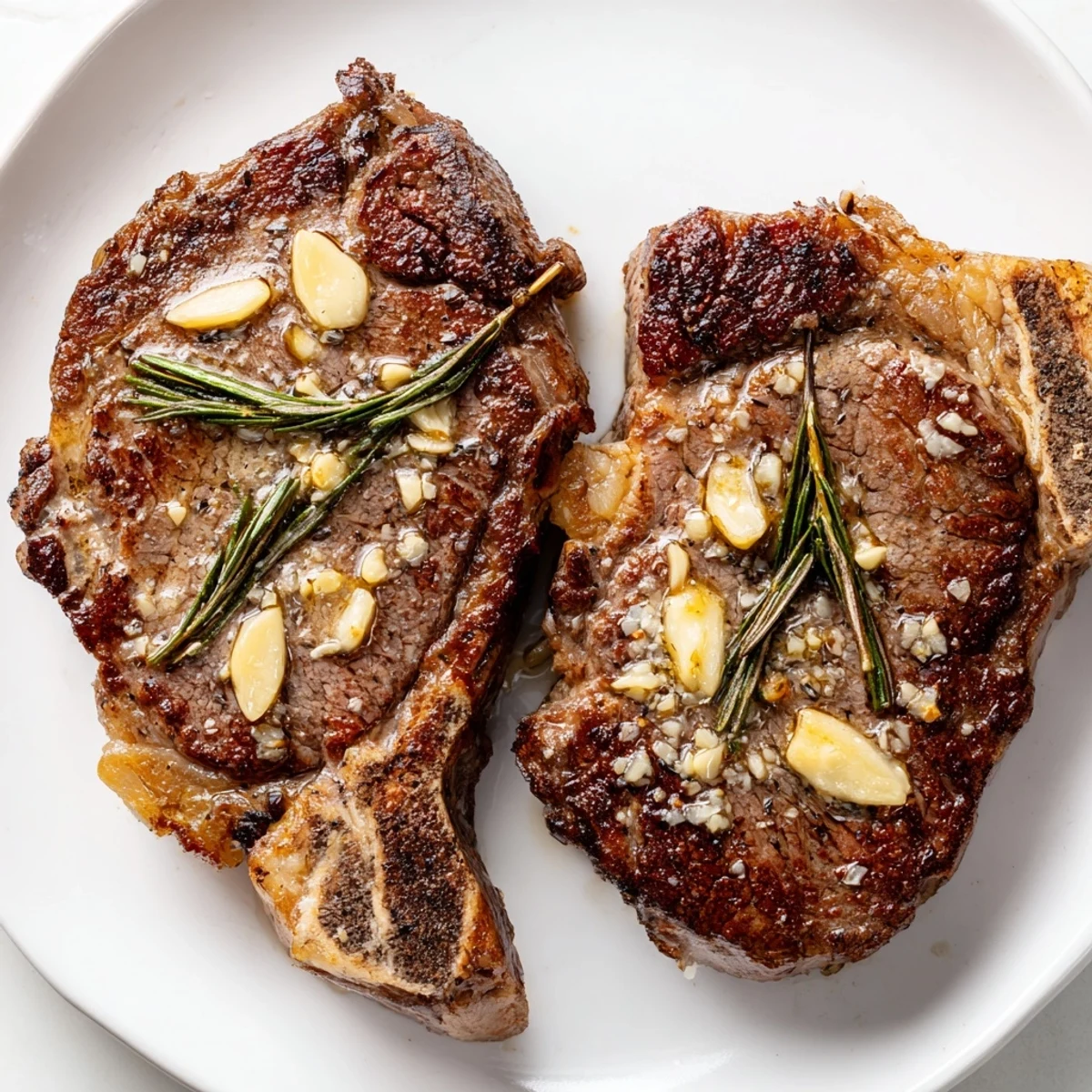
 There is something almost meditative about tilting the pan and watching that golden butter wash over the steak, picking up flecks of garlic and rosemary along the way. It is the five seconds of cooking that make you feel like you actually know what you are doing.
Picking the Right Cut Makes All the Difference
Ribeye is my go to because the fat marbling keeps everything juicy even if you accidentally cook it a minute too long. I have tried this with strip steak and sirloin, and while they work fine, the ribeye always gives the most forgiving, flavorful result.
What to Serve Alongside
Crispy roasted potatoes are the classic move, but a handful of arugula dressed with lemon and olive oil cuts through the richness beautifully. In summer I throw together a quick tomato and basil salad, and in winter I reach for roasted Brussels sprouts with a balsamic glaze.
Wine and Finishing Touches
A bold red wine like Cabernet Sauvignon or Malbec was practically made for garlic butter steak, and a glass alongside turns dinner into an occasion. A shower of flaky sea salt right before serving adds a satisfying crunch that makes every bite feel finished and intentional.
- A tiny squeeze of lemon juice over the rested steak brightens everything up without making it taste like lemon.
- Let the butter brown just slightly in the pan before basting for an extra layer of nutty depth.
- Always slice against the grain for the most tender mouthful.
 Pin This
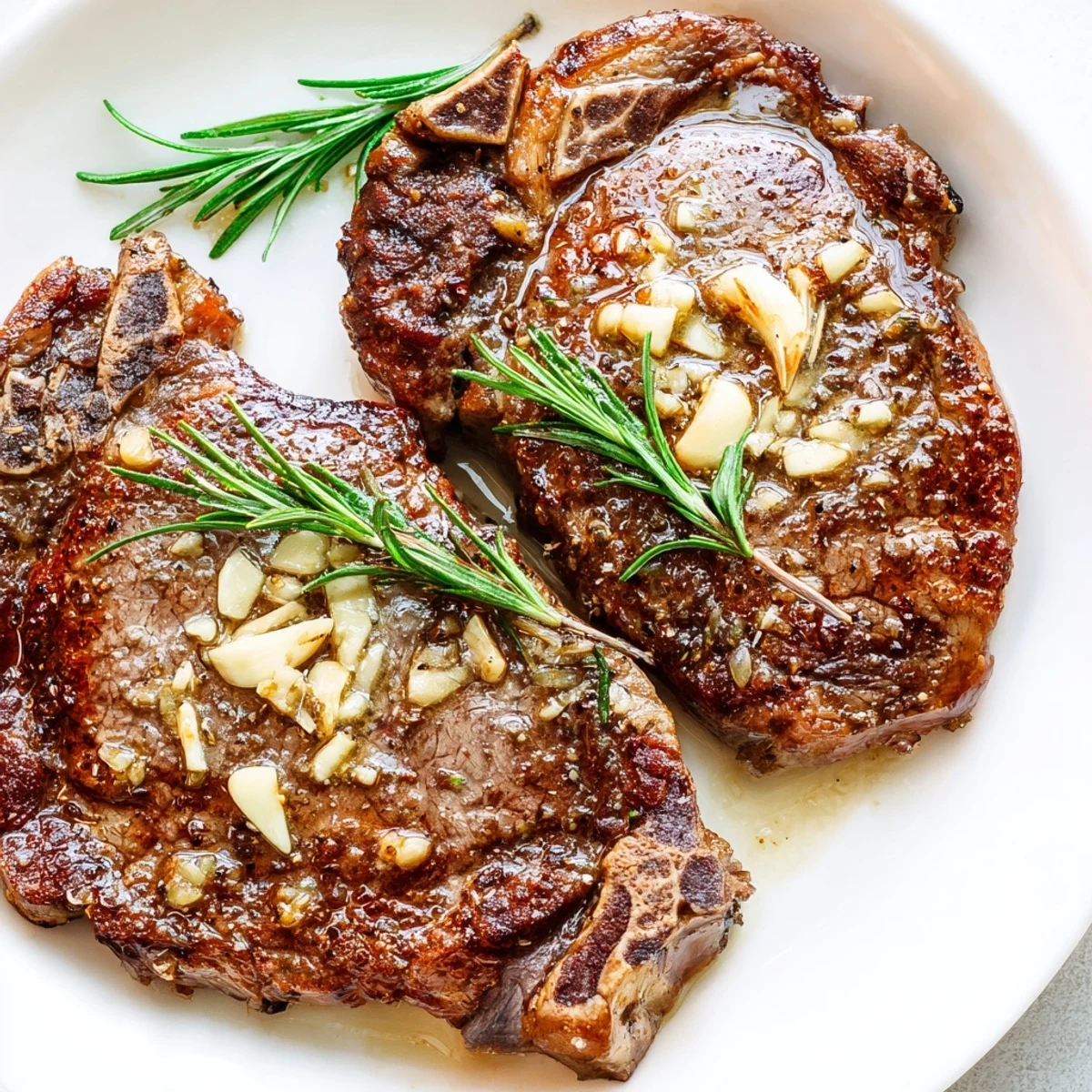
 Some meals are about fuel, and some are about the act of cooking something beautiful for people you love. This garlic butter steak lands squarely in the second category, and it deserves a place in your weekly rotation.
Recipe FAQs
- → What cut of steak works best?
-
Ribeye steaks are ideal due to their marbling and rich flavor. Look for cuts at least 1 inch thick for optimal searing and juicy results.
- → Why rest the steak before cooking?
-
Bringing steaks to room temperature ensures even cooking throughout. Cold meat can lead to overcooked exterior before the center reaches desired doneness.
- → How do I know when it's done?
-
Use a meat thermometer for accuracy. Medium-rare reaches 130°F internally. Without one, press the center—it should feel like the fleshy part of your palm below the thumb.
- → Can I use dried herbs instead of fresh?
-
Fresh rosemary or thyme provides the best aromatic flavor, but dried herbs work in a pinch. Use about one-third the amount of dried versus fresh.
- → What should I serve alongside?
-
Roasted potatoes, steamed vegetables, or a crisp green salad complement the rich flavors beautifully. Bold red wines like Cabernet Sauvignon make excellent pairings.
- → Can I make this dairy-free?
-
Substitute the butter with olive oil or a dairy-free alternative. While the flavor profile shifts slightly, the searing technique still produces excellent results.