
 Pin This
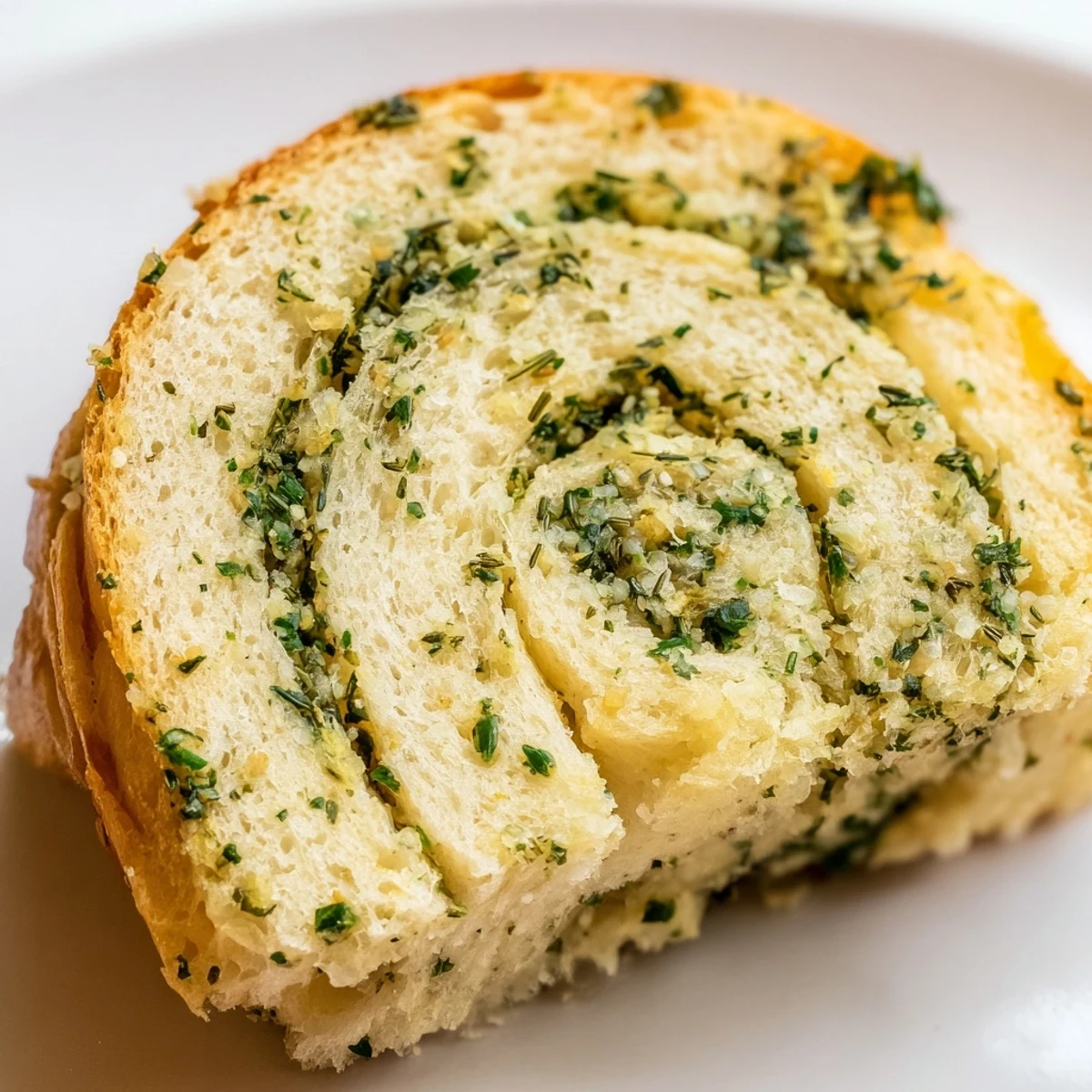
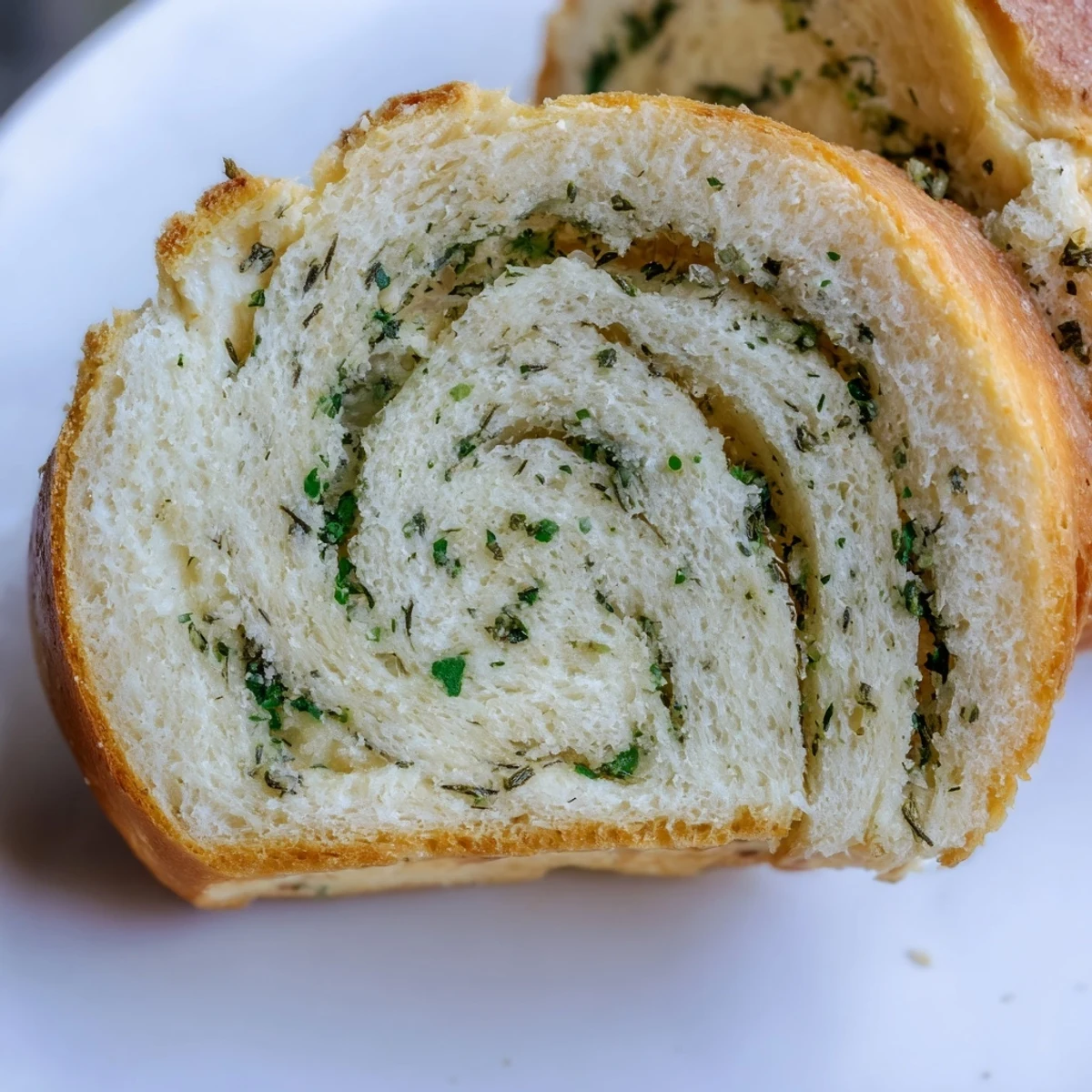
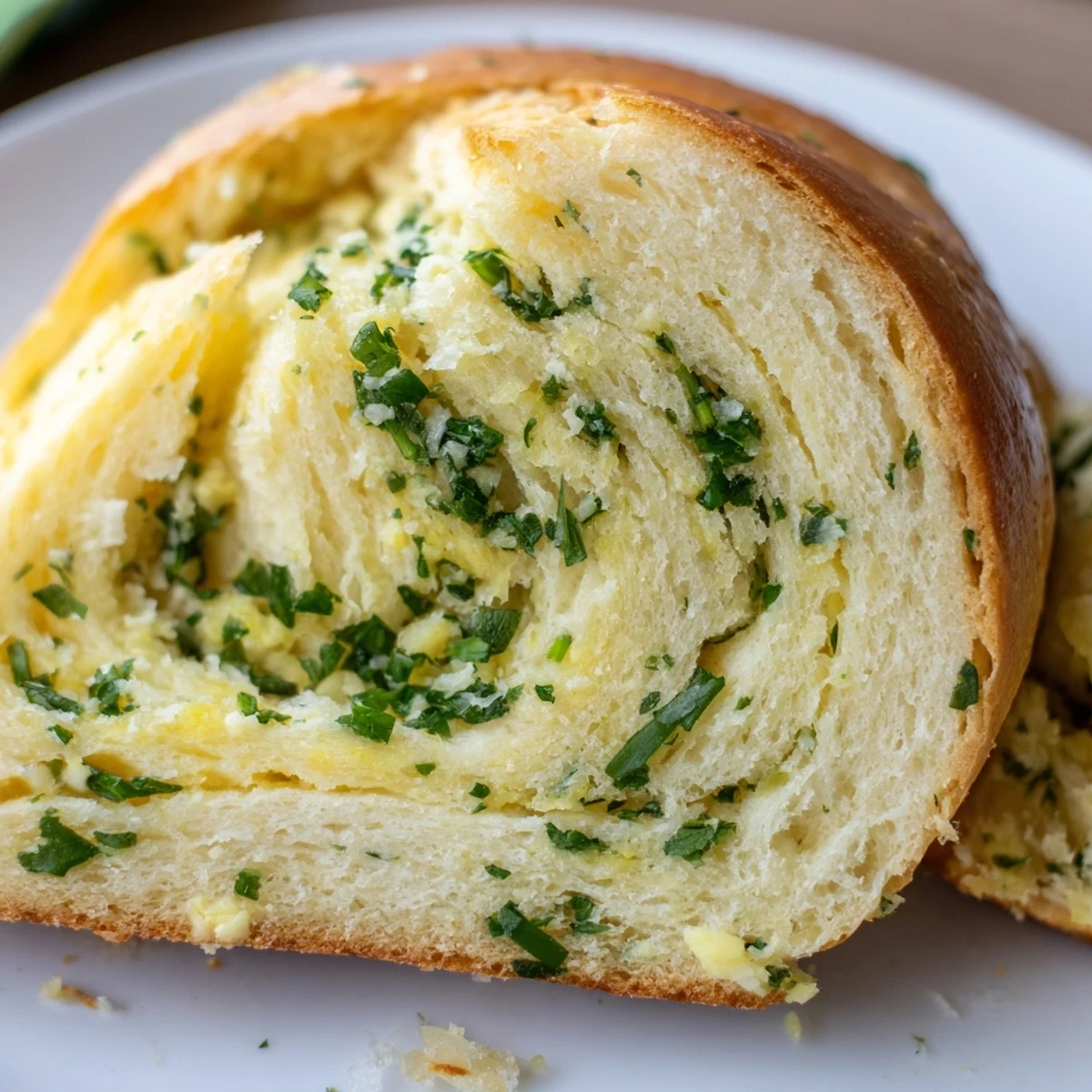
 Create a bakery-style loaf with a swirl of garlic and herb butter throughout. This versatile bread features a soft, pillowy texture with aromatic notes of fresh parsley, rosemary, and chives. The dough comes together quickly, then rises to perfection before being filled with a savory butter mixture and baked until golden brown. Each slice reveals beautiful layers and an irresistible fragrance that fills your kitchen.
The smell of garlic butter melting into warm dough used to call me from my bedroom every Sunday afternoon. My grandmother would be in the kitchen, hands dusted with flour, humming something I could never quite identify as she worked that dough like it was part of her. Those afternoons taught me that bread-making isn't just about feeding people—it's about filling a house with something that makes everyone gravitate toward the heart of the home.
Last winter, during that week where everything seemed gray and heavy, I decided to make this bread for my roommates. The kitchen was cold, the window fogged up from the oven heat, and suddenly three people appeared like magic, drawn in by the scent alone. We stood around the counter, pulling off warm pieces, not saying much—just eating and breathing in the garlic and rosemary and feeling okay again.
Ingredients
- All-purpose flour: Creates the perfect structure for a soft interior that still holds up when sliced
- Active dry yeast: Gives those beautiful air pockets that make bread feel light and worth the wait
- Sugar: Not for sweetness—this little bit feeds the yeast and helps it work harder
- Salt: Essential for flavor and controlling yeast growth
- Warm water: Needs to be bath temperature, around 110°F, to wake up the yeast without killing it
- Olive oil: Keeps the dough tender and adds a subtle richness
- Unsalted butter: Softened to room temperature so it spreads evenly into every layer
- Fresh garlic: Finely minced so no one bites into a sharp raw chunk
- Fresh herbs: Parsley brings brightness, rosemary adds pine notes, chives give a mild onion finish
Instructions
- Wake up the yeast:
- Combine sugar, yeast, and warm water in a large bowl. Let it sit for about 5 minutes until you see a foamy layer on top—that's how you know it's alive and ready to work.
- Build the dough:
- Add flour, salt, and olive oil to the yeast mixture. Mix everything together until you have a shaggy, messy dough that holds together but looks rough.
- Knead until smooth:
- Turn the dough onto a lightly floured surface and knead for 8 to 10 minutes. The dough should transform from sticky and rough to smooth and elastic, bouncing back when you poke it.
- First rise:
- Place the dough in a lightly oiled bowl, turning it once to coat all sides. Cover and let it rise in a warm spot for about 1 hour until it's doubled in size.
- Make the garlic herb butter:
- While the dough rises, mix softened butter with minced garlic, parsley, rosemary, chives, pepper, and salt until everything is evenly distributed.
- Roll and fill:
- Punch down the risen dough and roll it out into a rectangle about 9x13 inches. Spread the garlic herb butter all the way to the edges.
- Shape the loaf:
- Roll up the dough tightly from the short end, then place it seam side down in a greased loaf pan.
- Second rise:
- Cover the pan and let the dough rise for 30 minutes while you preheat the oven to 350°F.
- Bake until golden:
- Bake for 30 to 35 minutes until the top is deep golden brown and the loaf sounds hollow when tapped on the bottom.
- Cool and serve:
- Let the bread cool in the pan for 10 minutes, then transfer to a wire rack. Slice and serve while still warm.
 Pin This
 My friend Sarah, who claims she can't cook anything, made this bread for her first dinner party last month. She called me afterward, voice slightly breathless, saying she felt like she'd pulled off some kind of magic trick when everyone went quiet after the first bite. That's what happens when food makes people stop talking and start really tasting.
Choosing Your Herbs
Fresh herbs make a huge difference here, but I've learned that what matters most is using what you actually like. If rosemary feels too intense, swap in some thyme. If you hate chives, more parsley works beautifully. The goal is a combination that makes you excited to eat it.
Getting That Perfect Rise
Some kitchens are warmer than others, and rising times will vary based on temperature and humidity. I've found the top of the fridge or inside a turned-off oven with just the light on creates the perfect cozy environment for yeast to do its work.
Serving Suggestions
This bread is incredibly versatile and somehow makes everything else on the table taste better. It's particularly perfect alongside soups, salads, or pasta dishes. Leftovers make incredible garlic bread the next day—just slice, toast, and add a little extra butter.
- Wrap the loaf tightly and it stays fresh for two days, though in my house it rarely lasts that long
- For extra indulgence, brush the top with melted butter right after baking
- Freeze individual slices wrapped in foil for quick weekday treats
 Pin This
 There's something deeply satisfying about pulling a warm, herb-scented loaf from the oven, knowing you made every bit of it yourself. Hope this recipe fills your kitchen with the same comfort it's brought to mine.
Recipe FAQs
- → Can I use dried herbs instead of fresh?
-
Yes, substitute the fresh herbs with 1½ teaspoons of dried mixed Italian herbs. The flavor will be slightly more concentrated, so adjust to your taste preference.
- → How long does the dough need to rise?
-
The initial rise takes about 1 hour in a warm place until doubled in size. After shaping and adding the filling, allow a second rise of 30 minutes before baking.
- → Can I make this dairy-free?
-
Absolutely. Replace the butter with your favorite plant-based alternative. The texture and flavor will remain delicious and satisfying.
- → What should I serve this bread with?
-
This aromatic loaf pairs wonderfully with soups, salads, or pasta dishes. It's also delightful on its own, warmed slightly with a touch of butter.
- → How should I store leftovers?
-
Wrap cooled bread tightly in plastic or store in an airtight container at room temperature for up to 2 days. For longer storage, freeze slices and reheat as needed.