
 Pin This
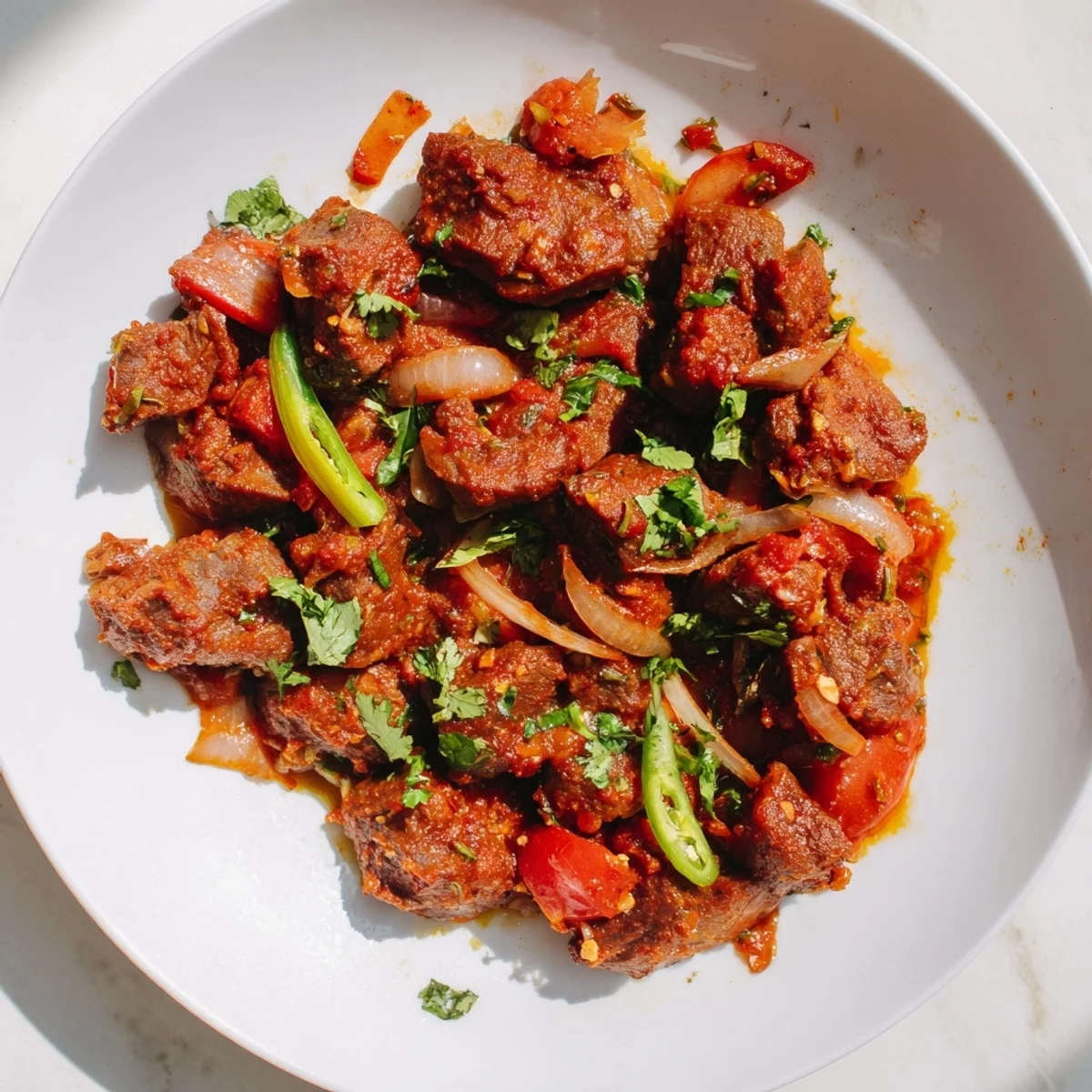
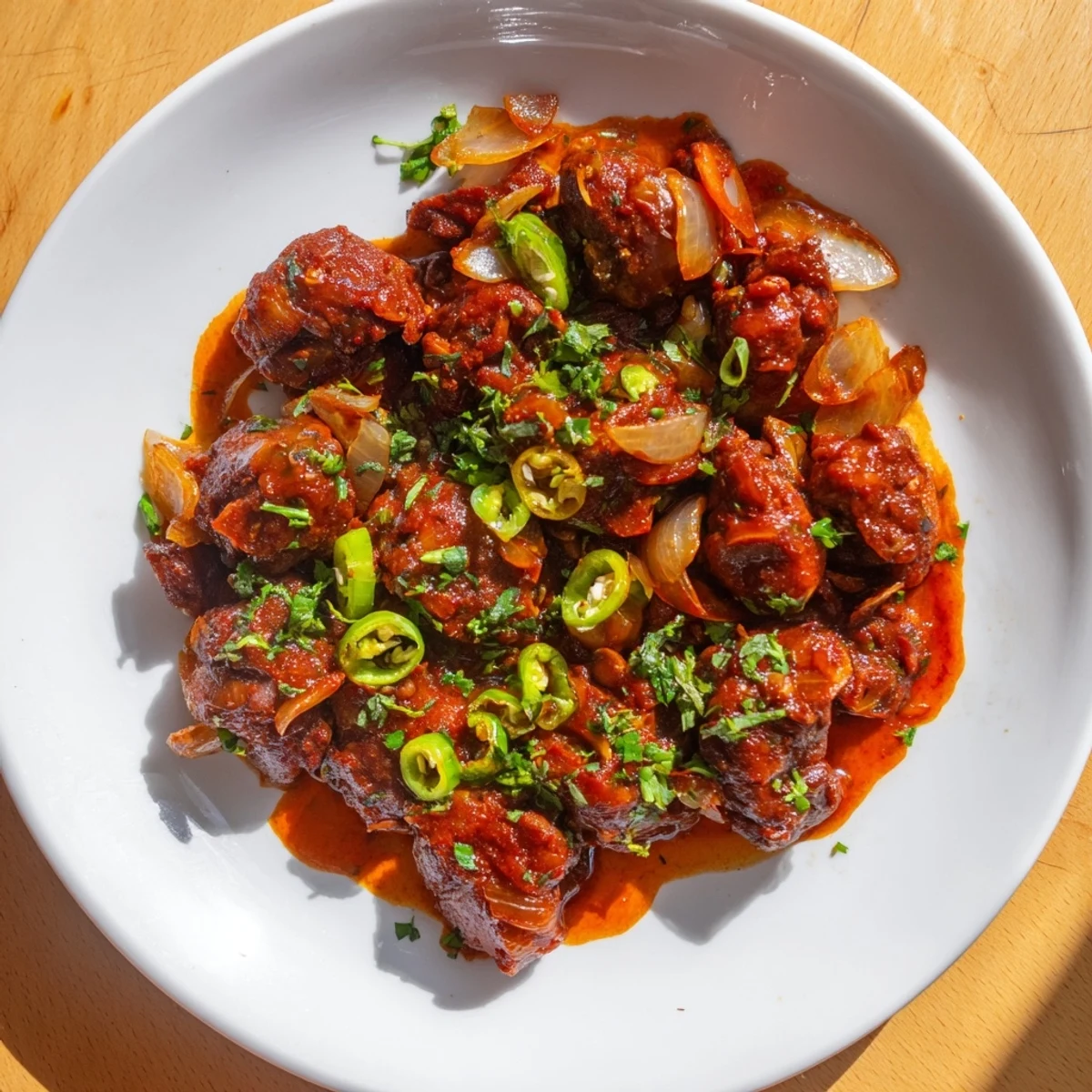
 This hearty Kenyan dish features tender goat meat pieces simmered to perfection in a rich, aromatic sauce. The meat is first boiled until tender with onions, garlic, and ginger, then finished in a thickened tomato-based sauce infused with paprika, coriander, and black pepper. The result is a glossy, well-coated meat dish with a perfect wet consistency that's neither soupy nor dry.
Fresh coriander adds brightness while green chilies provide adjustable heat. This naturally gluten-free main dish serves four and takes just over an hour from start to finish, making it ideal for family dinners or special gatherings.
My first encounter with goat wet fry was at a tiny roadside restaurant in Nairobi, where the aroma alone stopped me in my tracks. The owner, Mama Njeri, taught me that patience is what separates good goat meat from extraordinary goat meat. She shared how the meat needs to simmer slowly before the final fry, creating those tender bites that melt in your mouth. That rainy afternoon changed how I approached cooking goat forever.
Last month, I made this for my friend Kipchoge who hadnt had a proper home-cooked Kenyan meal in years. The moment he walked through the door, his face lit up. He took one bite and closed his eyes, saying it tasted exactly like his grandmother's Sunday afternoon cooking. We sat there for hours, eating with our hands and sharing stories about family gatherings. Food has this way of bringing people home, no matter where they are.
Ingredients
- Goat meat: Choose pieces with some fat marbling for extra flavor and tenderness during cooking
- Onions: Slice them thin so they caramelize beautifully and create that rich base
- Tomatoes: Use ripe ones that yield easily when pressed for the best sauce consistency
- Garlic and ginger: Fresh is non-negotiable here, they form the aromatic backbone
- Green chilies: Adjust based on your heat tolerance but dont skip them entirely
- Fresh coriander: Stir it in at the very end to maintain its bright, fresh flavor
- Paprika: Adds this gorgeous red color and subtle smoky sweetness
- Ground coriander: Earthy and warm, it pairs perfectly with goat meat
- Turmeric: Optional but adds beautiful golden hues and health benefits
Instructions
- Prepare the goat meat:
- Rinse thoroughly and place in your saucepan with half the onions, garlic, ginger, and some salt. Add just enough water to cover, then bring to a boil before reducing to a gentle simmer.
- Simmer until tender:
- Let it cook covered for about 30 minutes, checking occasionally until the meat is fork-tender and most liquid has absorbed. This step is crucial for that melt-in-your-mouth texture.
- Create the aromatic base:
- Heat oil in a heavy pan over medium-high heat. Add remaining onions and cook until they turn golden brown, stirring occasionally to prevent burning.
- Add tomatoes and chilies:
- Toss in diced tomatoes and sliced green chilies. Cook until tomatoes break down completely and the mixture thickens into a rich, glossy base.
- Combine and coat:
- Add the cooked goat meat along with any remaining juices. Sprinkle in all your spices and remaining salt, stirring until every piece is beautifully coated.
- Finish the wet fry:
- Cook uncovered for 10-15 minutes, stirring often until the sauce thickens to that perfect wet consistency. Stir in fresh coriander for the final minute before serving hot.
 Pin This
 My sister visited from abroad last Christmas and requested this dish specifically. She said nothing else reminded her of home quite like goat wet fry does. We cooked it together on her final evening, and she literally scraped the pan clean. Now she calls me every time she attempts it in her tiny kitchen abroad, asking questions about oil temperature and simmer times.
Getting the Meat Perfect
Ask your butcher for cuts from the leg or shoulder, as these have the ideal balance of meat and fat. Trim excessive fat but leave some for flavor. Cutting into uniform bite-sized pieces ensures everything cooks at the same rate.
Building the Sauce
The secret lies in patience during the onion-tomato phase. Let onions caramelize slowly until they're deeply golden. The tomatoes should completely break down into a thick paste before adding the meat back in.
Serving Suggestions
Ugali is the traditional pairing and soaks up that sauce beautifully. Rice works wonderfully too, especially when you want something lighter. Chapati makes for an even more indulgent meal.
- Serve immediately while the sauce is still glossy and fragrant
- Set aside extra fresh coriander for garnish at the table
- This dish tastes even better reheated the next day
 Pin This
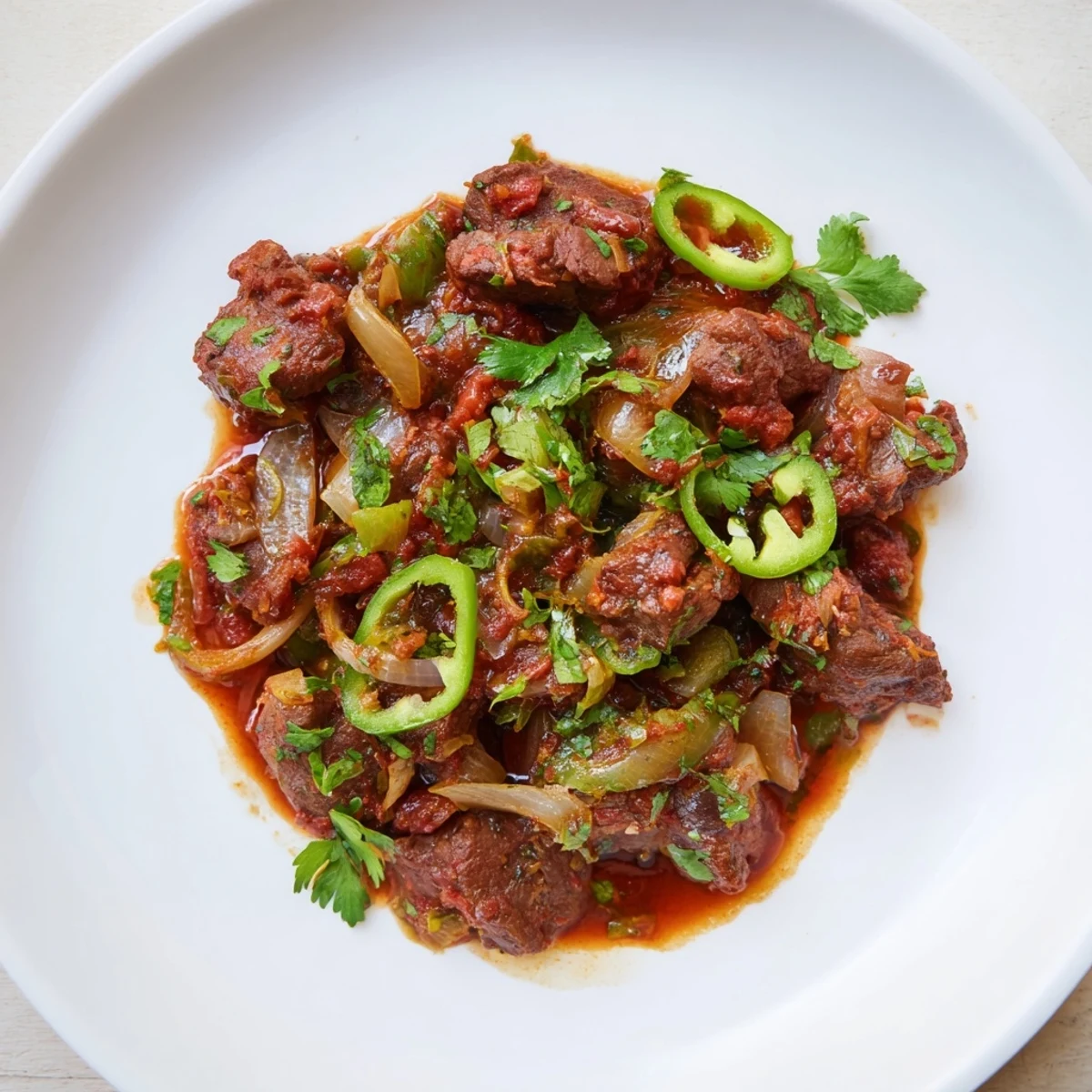
 Theres something deeply satisfying about this dish, the way it fills your kitchen with such comforting aromas. Whether for family dinner or feeding friends, goat wet fry always brings people together around the table.
Recipe FAQs
- → What makes Kenyan goat wet fry authentic?
-
Authentic Kenyan goat wet fry gets its character from the specific spice blend of paprika, ground coriander, turmeric, and black pepper, combined with the traditional cooking method of boiling then frying. The glossy wet consistency achieved through simmering tomatoes and onions until thickened is the signature of this beloved dish.
- → Can I substitute goat meat with other proteins?
-
Yes, you can substitute goat meat with beef, lamb, or chicken. Adjust cooking times accordingly—chicken will cook faster, while beef may need slightly longer simmering to reach the same tenderness as goat.
- → What is the correct wet fry consistency?
-
The perfect wet fry consistency is a glossy, thickened sauce that coats the meat generously. It should be wetter than a stir-fry but not soupy—think of it as a rich glaze that clings to each piece of meat without drowning in liquid.
- → What should I serve with goat wet fry?
-
Ugali (maize porridge) is the traditional accompaniment, but rice or chapati work equally well. The starch helps soak up the flavorful sauce. A light, fruity red wine or cold beer complements the rich, spiced meat beautifully.
- → How do I make the meat more tender?
-
For maximum tenderness, brown the goat meat briefly in hot oil before the initial simmering step. This seals in juices and develops flavor. Ensure you simmer long enough during the first cooking stage—25-30 minutes should render the meat fork-tender.