
 Pin This
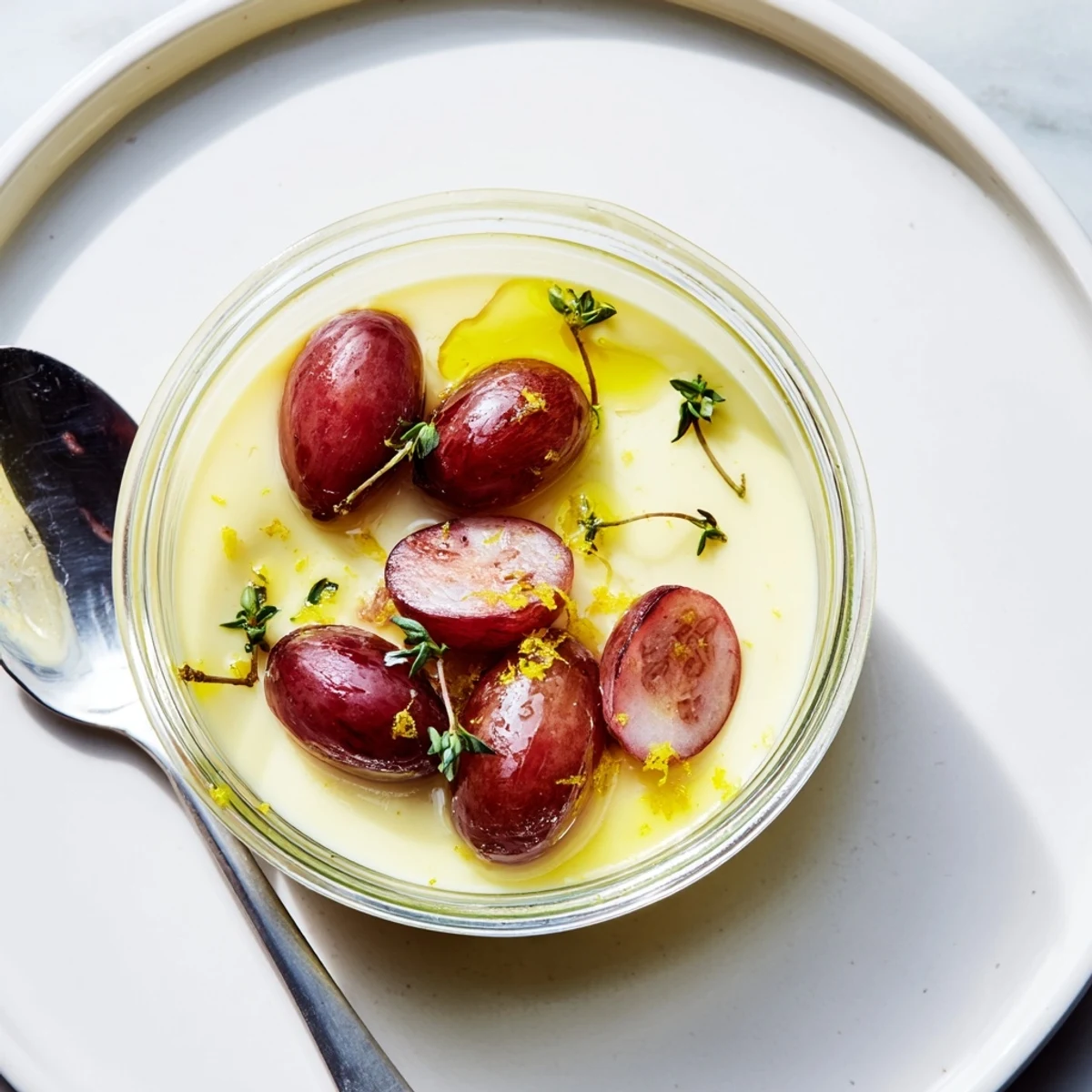
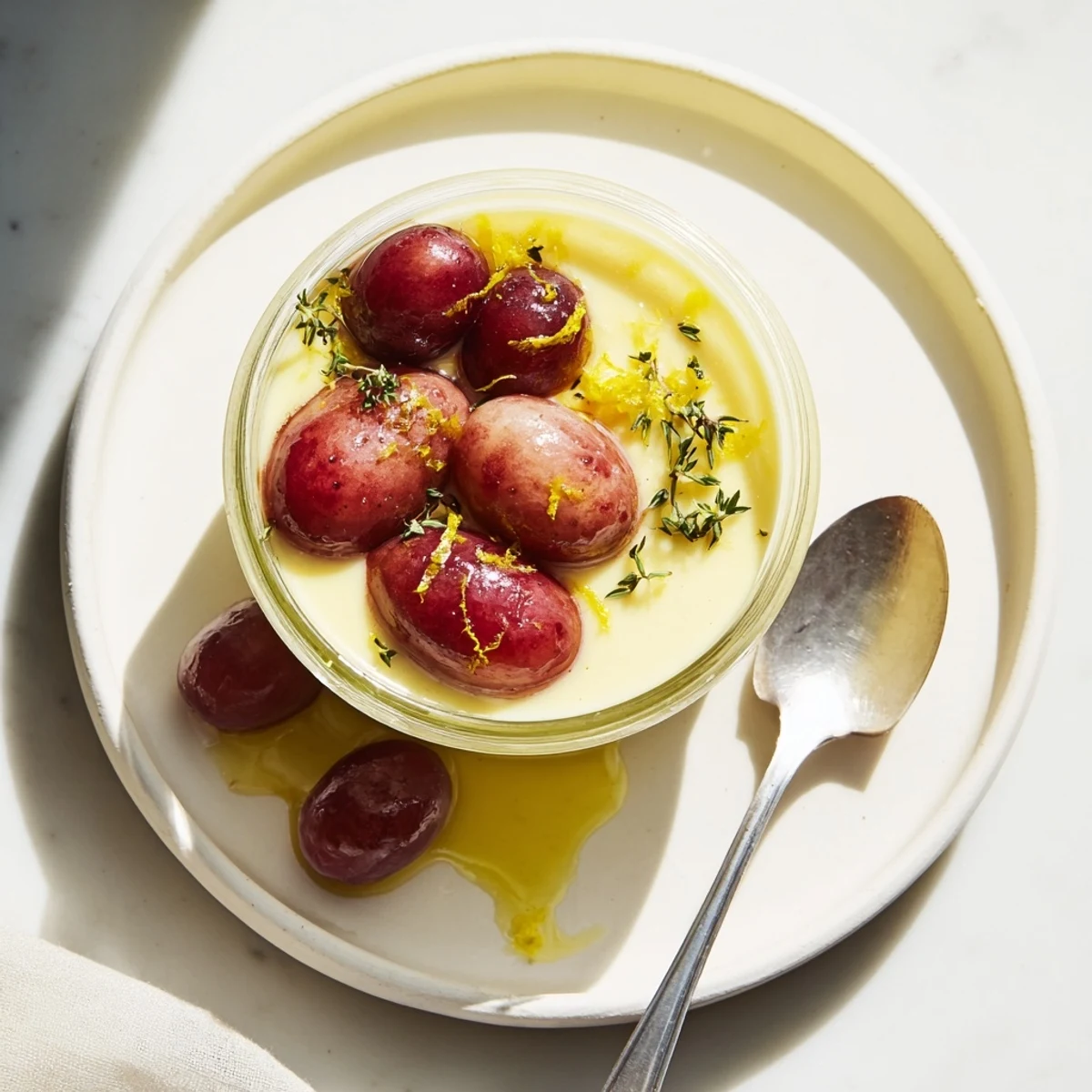
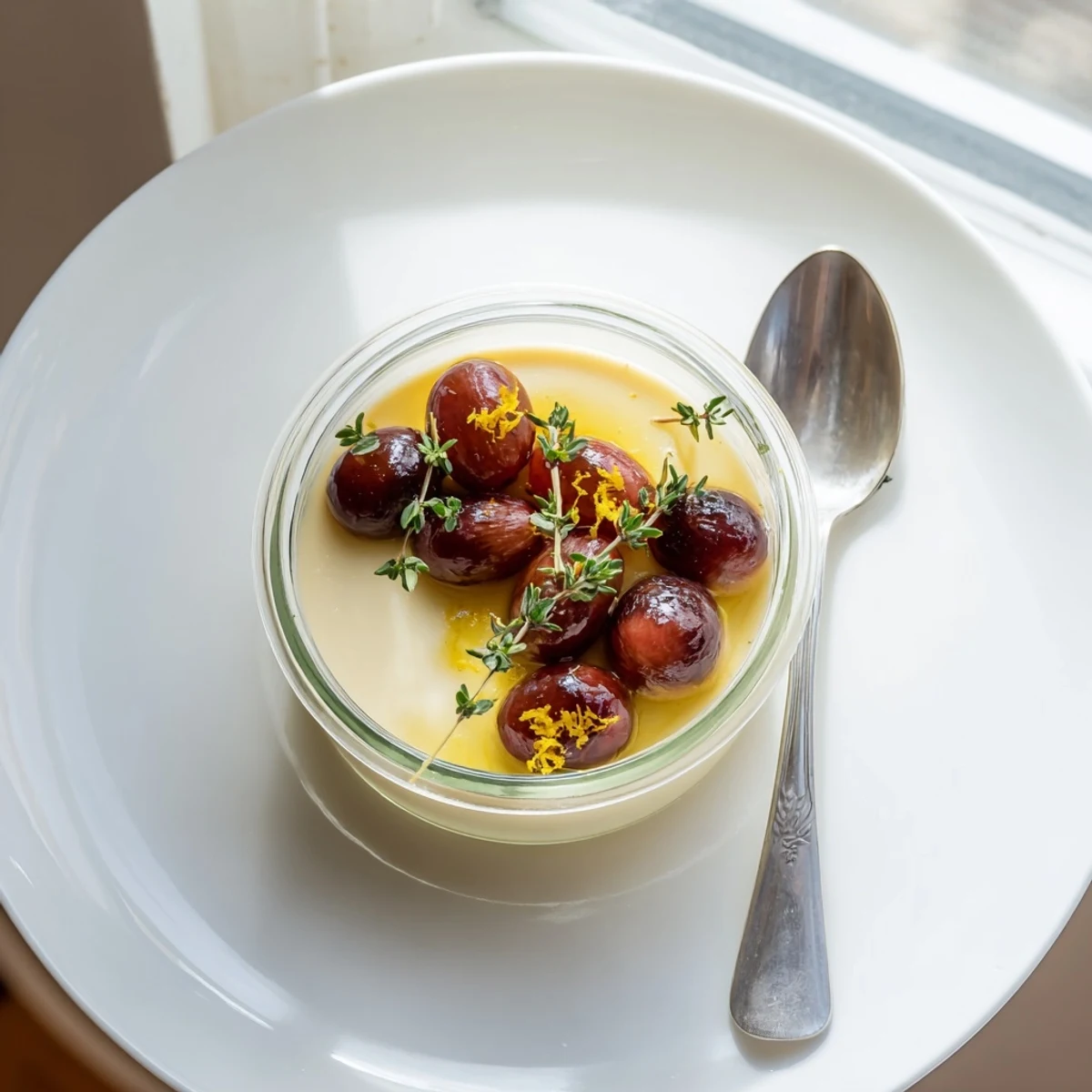
 This elegant Italian dessert combines a silky, citrus-infused panna cotta with grapes prepared two contrasting ways. The smooth, lemon-scented cream custard provides a luxurious base that perfectly complements both the sweet, jammy notes of oven-roasted grapes and the bright freshness of raw grape halves. This interplay of warm caramelized flavors against cool creamy textures creates a sophisticated dessert that balances sweetness with lemon's natural brightness. The dish comes together quickly with just 10 minutes of stovetop cooking, requiring only an extended chill time to achieve that signature wobble. Perfect for entertaining, these can be prepared up to two days in advance and dressed with the grape garnish just before serving.
The summer my friend Sarah came back from Italy, she kept talking about this lemon dessert that changed her life. We sat in my kitchen with glasses of wine while she described it, and I knew I had to recreate something that captured that same brightness. Roasting the grapes was my own twist—I love how their sweetness concentrates and becomes almost jam-like against the tangy cream. It is become the dessert I make when I want to feel fancy without actually working hard.
Last fall I served this at a dinner party where everyone was too full for dessert. Within minutes of placing these on the table, spoons were scraping every last drop from those glasses. My friend David actually asked if there were any leftovers hiding in the kitchen. The roasted grapes were the game changer nobody expected.
Ingredients
- Heavy cream: The foundation of that luxurious mouthfeel, do not try substituting with anything lighter
- Whole milk: Balances the richness just enough so the panna cotta never feels heavy
- Granulated sugar: Dissolves beautifully into warm dairy without leaving any graininess behind
- Lemon zest: Use a micrograter to avoid bitter white pith, this is where the real lemon perfume lives
- Fresh lemon juice: Room temperature juice incorporates more smoothly than cold from the fridge
- Unflavored powdered gelatin: Bloom it properly and your panna cotta will set perfectly every single time
- Cold water: Essential for blooming gelatin, use exactly what the recipe calls for
- Pure vanilla extract: Rounds out the sharp citrus notes with warm floral sweetness
- Pinch of salt: Tiny amount that makes all other flavors pop more vividly
- Seedless red or black grapes: Choose plump firm ones without any soft spots or wrinkles
- Olive oil: Helps the grapes caramelize and adds a subtle savory depth
- Honey: Creates those gorgeous sticky caramelized edges on the roasted grapes
- Fresh thyme leaves: Optional but adds this sophisticated herbal note that makes guests wonder what your secret is
Instructions
- Prepare your vessels:
- Lightly coat 6 small ramekins or glasses with a neutral oil, this helps with unmolding later if you want that restaurant style presentation.
- Bloom the gelatin:
- Sprinkle the powder over cold water in a small bowl and let it sit for exactly 5 minutes, it will look like applesauce when ready.
- Warm the dairy base:
- Combine cream, milk, sugar, lemon zest, and salt in a saucepan over medium heat, stir until you just see steam rising—never let it boil or the texture will suffer.
- Dissolve the gelatin:
- Remove from heat and whisk in the bloomed gelatin until completely disappeared, then add lemon juice and vanilla for that final flavor balance.
- Strain for silkiness:
- Pour everything through a fine mesh sieve into a measuring cup for easy pouring, catching any bits of zest or undissolved gelatin.
- Chill until set:
- Divide evenly among your prepared containers, let cool completely at room temperature first, then refrigerate for at least 4 hours or overnight.
- Roast half the grapes:
- Toss one cup of grapes with olive oil, honey, and thyme on a parchment lined sheet, roast at 400°F for 10 to 12 minutes until soft and bubbling.
- Prep the fresh grapes:
- Halve the remaining cup of grapes while the roasted ones cool completely, keep them chilled until serving time.
- Assemble and serve:
- Either unmold onto plates or serve directly in glasses, spooning roasted grapes and their juices on one side and scattering fresh grape halves on the other.
 Pin This
 My mother in law asked for the recipe after her first bite and now makes it for every book club meeting. She texts me photos each time, proud as can be. There is something about the combination of warm and cool, tart and sweet, that makes people feel cared for.
Make Ahead Magic
The panna cotta itself can be made two days ahead and held in the refrigerator. Roast the grapes the morning you plan to serve them and keep at room temperature—they actually develop more flavor as they sit. Last minute assembly is all that is needed.
Serving Suggestions
Thin crisp cookies like biscotti or shortbread make perfect accompaniments for scooping up every bit of those roasted grape juices. I have also served this with a tiny drizzle of aged balsamic on special occasions. The sharpness cuts through the cream beautifully.
Variations to Try
Swap the grapes for roasted figs or strawberries when they are in season. Blood oranges work stunningly well in winter, roasted until caramelized and slightly jammy. The basic panna cotta recipe stays the same.
- Try infusing the cream with fresh basil or mint before making the panna cotta
- Add a tablespoon of elderflower liqueur to the cream mixture for a floral twist
- Top with crushed amaretti cookies for a bit of texture contrast
 Pin This
 This dessert manages to feel both elegant and incredibly comforting at the same time. Hope it becomes part of your special moments too.
Recipe FAQs
- → Can I make panna cotta ahead of time?
-
Yes, panna cotta is excellent for advance preparation. You can make the base up to 2 days ahead and keep it refrigerated until ready to serve. Add the grape garnish just before serving for the best texture contrast.
- → Why is my panna cotta not setting?
-
This usually happens if the gelatin wasn't fully dissolved or if the mixture was boiled after adding gelatin, which breaks down its setting properties. Ensure you sprinkle gelatin over cold water to bloom properly, then dissolve it completely in the warm cream mixture without bringing it to a boil.
- → Can I use other fruits instead of grapes?
-
Absolutely. Roasted figs, berries, stone fruits, or poached pears work beautifully. The key is maintaining that contrast between cooked and fresh fruit preparations for interplay of flavors and textures.
- → How do I unmold panna cotta cleanly?
-
Dip the bottom of the ramekin briefly in warm water for 5-10 seconds, then run a thin knife around the edge. Place a serving plate on top and invert quickly while holding both firmly together. Alternatively, serve directly in glasses for an easier presentation.
- → Can I make this vegetarian or vegan?
-
For vegetarian versions, use agar-agar instead of gelatin following package instructions. For fully vegan, substitute coconut cream for dairy and maple syrup for honey. The texture will be slightly different but equally delicious.
- → Why roast some grapes instead of using all fresh?
-
Roasting concentrates the natural sugars in grapes, creating jammy, caramelized flavors that contrast beautifully with the bright pop of fresh grapes. This dual preparation adds complexity—warm depth meets cool freshness against the creamy lemon base.